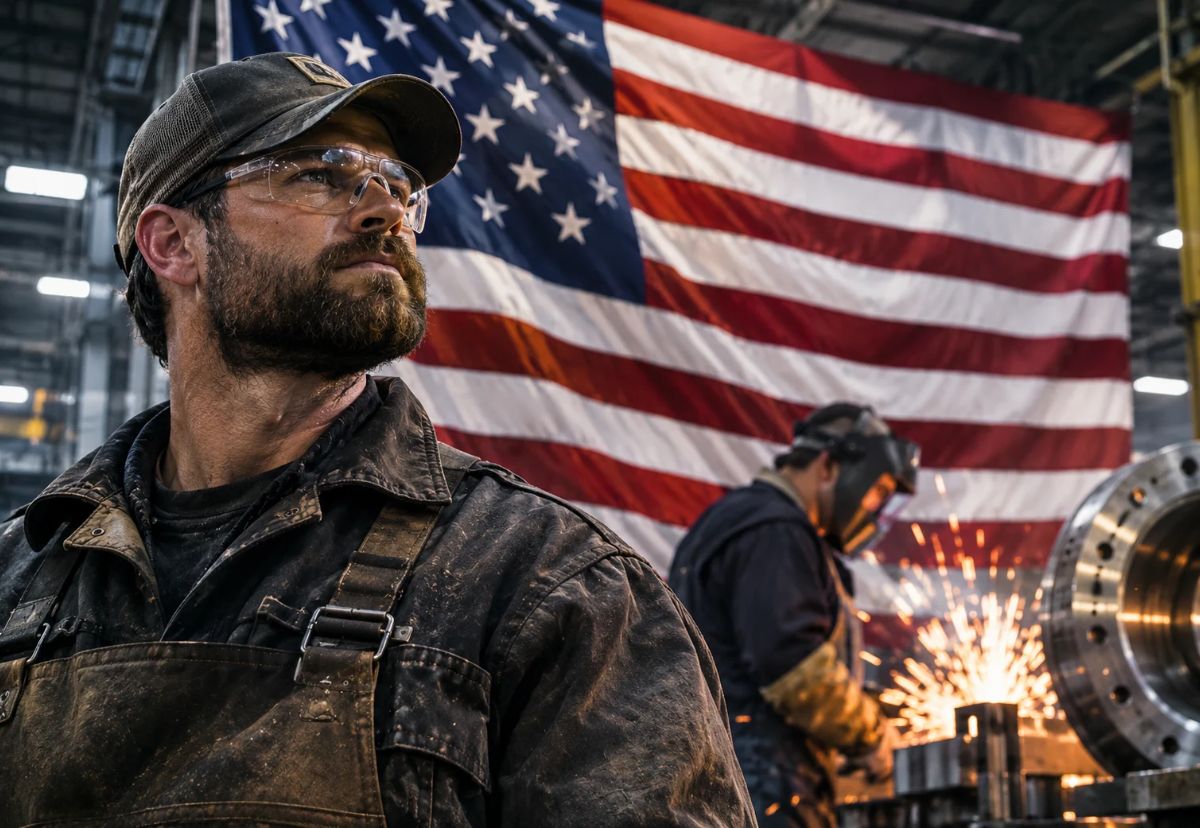
Every November 11, Veterans Day gives us an opportunity to recognize the men and women who have served in our armed forces. It’s a chance to show appreciation for their service, sacrifices, and contributions. But honoring veterans can mean more than simply saying thank you. It can also mean recognizing the experience they bring to civilian life and creating opportunities for them to put that experience to work.
Manufacturing is an industry that depends on skilled people. Machinists, welders, maintenance technicians, and other skilled tradespeople keep production moving. They also need qualities that go beyond technical ability, including accountability, teamwork, adaptability, and a commitment to safety.
Military service can help develop many of those qualities, along with valuable experience working in structured, team-oriented environments. When paired with the technical training and hands-on skills needed for a skilled trade, that experience can help veterans make meaningful contributions to manufacturing teams.
This Veterans Day, let’s look at how military experience can translate into manufacturing success, what employers should recognize when evaluating veteran candidates, and how veterans can build rewarding careers in the skilled trades.
Technical Skills Are the Foundation
Manufacturing careers require specific technical knowledge, hands-on experience, and, in some cases, industry certifications. While military service can provide a strong foundation of transferable skills, operating a CNC machine, troubleshooting industrial equipment, or performing a weld to specification requires training and experience specific to the trade.
Many veterans develop relevant technical abilities during their military service. Others build those skills afterward through technical colleges, apprenticeships, certifications, or other training programs. The GI Bill can also help eligible veterans pursue the education and training needed to enter a skilled trade.
Consider a few examples:
- A veteran who maintained military vehicles, aircraft, or heavy equipment may have a foundation for a career in mechanical maintenance.
- Someone who developed mechanical or fabrication skills during service might build on that experience through a welding program.
- A former service member interested in manufacturing could pursue CNC machining or manufacturing technology training after leaving the military.
Every veteran’s background is different, and employers still need to evaluate candidates against the technical requirements of the position. When those qualifications align, the experience, discipline, and problem-solving abilities developed through military service can bring additional value to a manufacturing team.
The Skills That Make a Difference Beyond the Technical Work
Military experience can develop professional habits and abilities that are valuable in almost any manufacturing environment. These qualities don’t replace trade-specific knowledge. They complement it.
Safety and Attention to Detail
Military personnel often work in environments where following procedures, recognizing hazards, and paying attention to detail are essential. That awareness can carry over into manufacturing, where safe work practices and consistent processes protect employees, equipment, and production.
Problem-Solving and Troubleshooting
Unexpected challenges are part of both military operations and manufacturing. Veterans may bring experience assessing situations, staying composed under pressure, and working through problems to find practical solutions. Those habits can be especially useful when equipment goes down or production doesn’t go according to plan.
Discipline and Accountability
Showing up prepared, following through on responsibilities, and taking ownership of assigned work are important in any workplace. Military service often reinforces these expectations, helping veterans bring a strong sense of personal responsibility to their teams.
Teamwork and Communication
Manufacturing depends on people working together. Veterans may have experience coordinating with different roles, communicating clearly, and contributing to a shared objective. Those abilities can help employees work effectively across shifts, departments, and project teams.
Adaptability and Leadership
Military careers can involve changing responsibilities, unfamiliar environments, and situations that require people to learn quickly. Veterans may also have experience training others, mentoring teammates, or taking the lead when needed.
Of course, no two veterans have identical experiences. The value comes from understanding what an individual has actually done and how those experiences could translate to the job.
Employers: Recognize the Whole Candidate
For manufacturers looking to strengthen their workforce, veterans represent a valuable source of skilled, dependable talent. Recognizing their potential, however, often requires looking beyond military job titles and understanding how their experience translates to civilian manufacturing roles.
A military occupation may not have an obvious civilian equivalent. A candidate’s resume might not use the same language as a manufacturing job description, even when their experience includes relevant equipment, responsibilities, or working conditions.
Employers can get a better understanding of a veteran’s qualifications by asking questions that uncover both technical abilities and professional experience:
- What equipment, tools, or systems have you operated, maintained, or repaired?
- What safety procedures, quality standards, or inspection requirements were part of your work?
- Can you describe a time you had to troubleshoot an unexpected problem?
- Have you trained, mentored, or supervised other people?
- How have you adapted to changing priorities or unfamiliar work environments?
The U.S. Department of Labor offers a helpful resource called the Employer Guide for Hiring Veterans. It provides practical recommendations and resources for attracting, hiring, training, and retaining veteran employees.
The important thing is to evaluate the whole candidate. Technical qualifications still need to match the position, but military experience can reveal strengths that aren’t always obvious on a resume.
Veterans: Don’t Underestimate What You Bring to the Table
If you’re a veteran or transitioning service member considering your next career move, manufacturing and the skilled trades may offer more opportunities than you realize.
You might already have technical experience that transfers directly into a civilian role. Or you may need additional training to turn your interests and abilities into a specific trade. Technical colleges, apprenticeships, certifications, and GI Bill education benefits can all help build that foundation.
As you explore opportunities, think about how to communicate both sides of your experience. Don’t focus exclusively on your military title or the technical tasks you performed. Consider the responsibilities you held, the teams you worked with, the challenges you overcame, and the standards you were expected to meet.
Your technical qualifications can help demonstrate that you’re capable of doing the job. Your broader experience can help employers understand the kind of teammate and employee you could become.
Moving into civilian manufacturing means learning a new environment, but it doesn’t mean leaving everything you’ve learned behind.
A Meaningful Way to Honor Veterans
At FlexTrades, we understand the value of bringing together technical ability and strong professional qualities. That’s part of the thinking behind our ReTool program, which partners with post-secondary training institutions and military reintegration organizations to help develop skilled manufacturing talent.
Through our Veterans Program and ReTool program, we’re working to create pathways for people with technical training and military backgrounds to put their abilities to work in American manufacturing.
The technical skills required for a position will always matter. So will the professionalism, accountability, adaptability, and willingness to contribute that help make someone a great employee. Military experience can strengthen those qualities and bring additional value to an already-qualified technician.
This Veterans Day, manufacturers have an opportunity to recognize the experience veterans bring to the workforce, and veterans have an opportunity to recognize the possibilities waiting for them in manufacturing.
Thanking veterans for their service matters. So does creating opportunities for them to build meaningful careers afterward.
The skills developed throughout a military career don’t become less valuable when someone takes off the uniform. Sometimes, they just need a new place to make a difference.
