
Manufacturing Day came and went.

Maybe you noticed. Maybe you didn’t.

Either way, take a look around wherever you are right now.

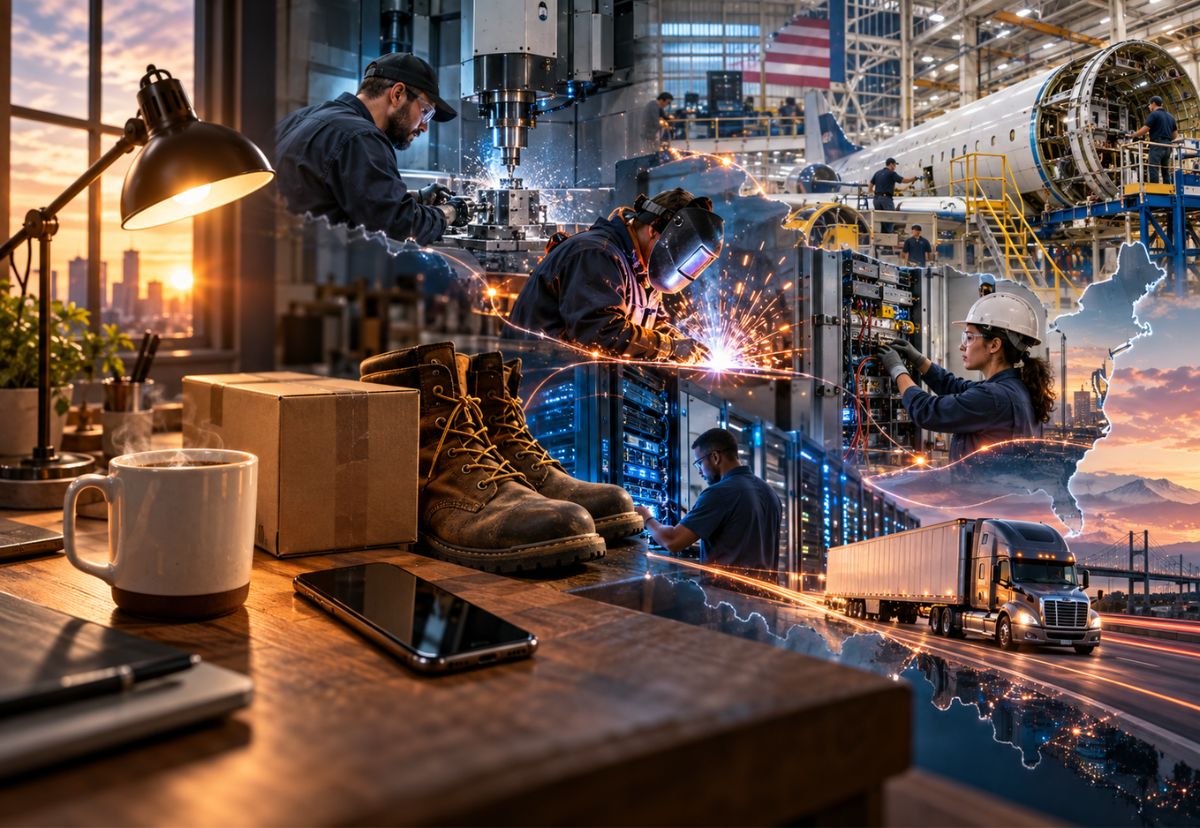
Your phone. Your desk. Your coffee cup. Your shoes. The lights above you. The chair you’re sitting in.

Now try to find something manufacturing didn’t touch.

I’ll wait.

It sounds easy until you actually start thinking about it.

Take the coffee cup.

Someone manufactured the cup. That part is obvious.

But someone also manufactured the equipment used to make it. The packaging it came in. The machinery that moved it through production. The truck that hauled it to a distribution center. The shelving it sat on before you bought it.

Go far enough down the line and one ordinary coffee cup turns into a massive network of machines, materials, parts, people and processes.

The same thing happens with almost everything around us.

Your phone is packed with manufactured components. Your office chair is built from fabricated metal, molded plastic, foam, fasteners and hardware. The building you’re sitting in depends on electrical systems, HVAC equipment, structural steel, wiring, piping, fixtures, tools and countless other products that had to be made somewhere.

Even the things we rarely associate with manufacturing depend on it.

Hospitals need medical equipment. Airlines need aircraft. Data centers need servers, cooling systems and electrical infrastructure. Farms need machinery. Restaurants need ovens, refrigeration systems and food processing equipment.

Manufacturing is everywhere.

Most of the time, we just don’t notice it.

That may be one of the more interesting things about the industry. The finished product gets the attention. The work behind it usually doesn’t.

We see the airplane. We don’t see the machinists who produced critical components.

We see the building. We don’t see the people who fabricated the steel, assembled the electrical systems or built the equipment used to construct it.

We see the package arrive at our front door. We rarely think about the machines, conveyors, trucks, tools and technology required to get it there.

And behind all of those things are people.

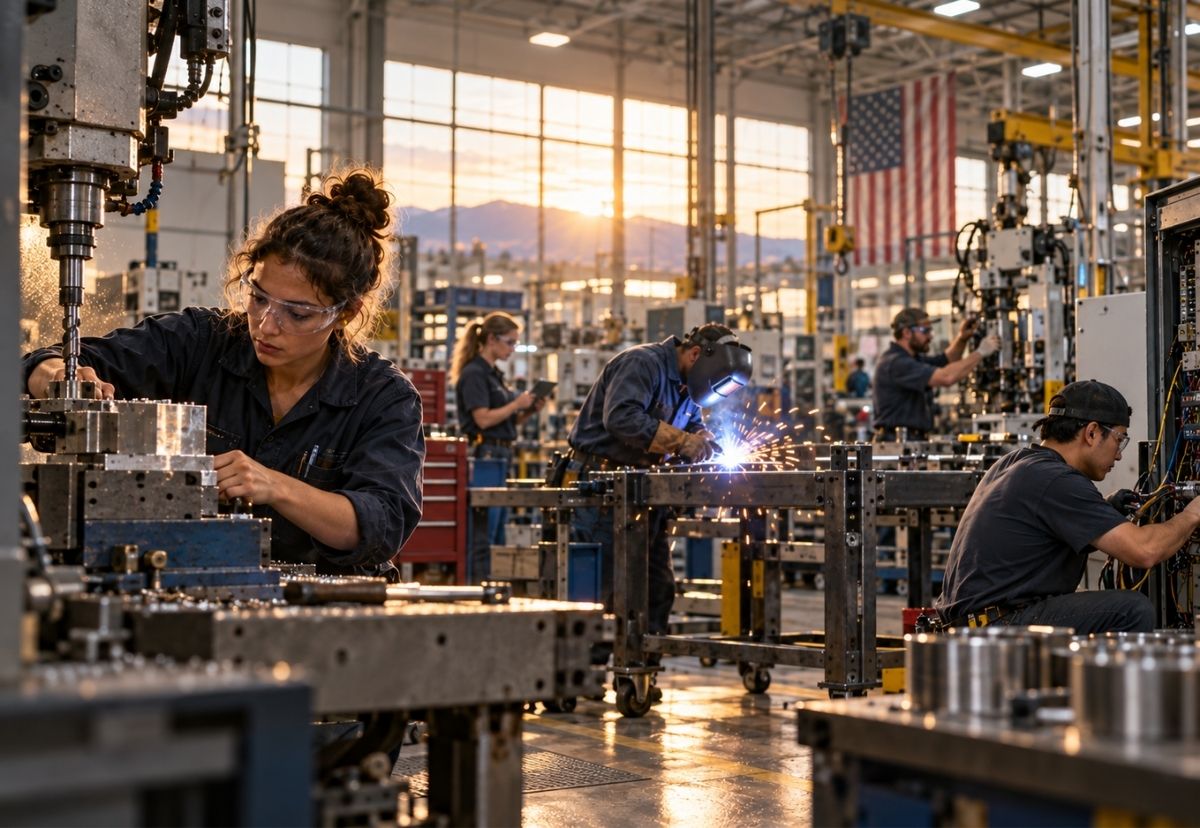
Machinists. Welders. Electricians. Technicians. Mechanics. Assemblers. Engineers. Quality professionals. Maintenance teams.

People who know how to build things, fix things, inspect things and keep production moving.

That part matters.

Technology continues to change manufacturing. Automation is getting smarter. Equipment is becoming more advanced. Production environments are more connected than ever.

But none of that eliminates the need for skilled people.

It makes them more important.

Manufacturing Day was created, in part, to help people see this industry differently. To look beyond outdated ideas about what manufacturing is and understand what it has become.

The day itself may have passed.

The point of it shouldn’t.

So take another look around.

Your phone. Your coffee cup. Your desk. The lights above you. The building around you.

Manufacturing helped put all of it there.

Maybe the most remarkable thing about manufacturing is how easy it is to forget just how much of our world depends on it.

Manufacturing isn’t just another industry. It is the one industry that supports nearly every other industry.

Manufacturing builds the products that keep the country moving. Everything from aircraft and defense systems to medical devices, power generation equipment, food production equipment, vehicles, and infrastructure relies on skilled manufacturing professionals. And those are just the big things. Few think about the fasteners, bearings, springs, seals, and countless other components that make the larger products work. It all comes from manufacturing. In fact, people and their communities across America were built around manufacturing.

The Greatest Opportunity You’ve Never Considered

Manufacturing offers something many careers cannot: the ability to see the results of your work every day. Not every successful career requires a four-year degree. Skilled trades offer hands-on work, problem-solving, and tangible accomplishments. They also offer plenty of opportunity for progression and leadership roles. In fact, you don’t need to have the word “Supervisor” or “Manager” in your title to be a leader either. When you’re working on the manufacturing floor in any capacity, you gain firsthand experience that allows you to identify problems, suggest improvements, and help drive meaningful change. Leadership isn’t always a title. Often, it starts with the people closest to the work.

The Retirement Cliff Creates a Once-in-a-Generation Opportunity

As one generation passes the torch, another has the opportunity to build the future. Experienced tradespeople are retiring after decades of contributions. Their careers demonstrate the long-term stability manufacturing can provide. The next generation now has opportunities to step into meaningful, high-demand careers. As new generations enter the workforce, the retirement cliff doesn’t have to be viewed as a crisis. Instead, it can be seen as an opportunity for people seeking meaningful, rewarding careers to step into roles that are essential to America’s future.

Manufacturing Careers Are Built, Not Found

Sometimes, the best career opportunities are the ones people overlook. While manufacturing careers aren’t discussed as often as they once were, their importance has never diminished. In fact, for many people, manufacturing is a career path they simply haven’t considered. Whether you’re starting fresh or starting over, don’t be afraid to start at the beginning and then build your way to the top. Whether through entry-level positions, apprenticeships, technical schools, on-the-job training, or mentorship opportunities, manufacturing offers multiple pathways into a rewarding career.

And if you’re already working in manufacturing, it means having the mindset for continuous learning because learning is where advancement starts.

Manufacturing Needs More Than Workers. It Needs Builders.

The industry isn’t looking for people to simply fill positions. Those who find success in manufacturing and the skilled trades aren’t simply workers. They are:

  • Problem solvers
  • Innovators
  • Doers
  • Leaders
  • Learners

The future of manufacturing won’t be built by machines alone. It will be built by the skilled trades professionals who design, operate, maintain, repair, and continually improve the systems that power modern industry. Every experienced manufacturing technician, operator, machinist, welder, assembler, maintenance technician, electrician, and inspector was once a beginner who chose to give manufacturing a chance.

The Future of Manufacturing Starts With You

Manufacturing needs people who are ready to learn, solve problems, take on challenges, and build something that matters. Whether you’re an experienced trades professional looking for your next opportunity or considering the skilled trades for the first time, there is a place for you in the future of American manufacturing.

If you’re interested in the skilled trades, willing to travel, and ready to put your skills to work, FlexTrades can help connect you with opportunities across the country. Send us your resume and take the next step toward building your career in manufacturing.