It’s a tale as old as time. Manufacturers are always thinking about how to meet production demands and delivery timelines and how to do it with the available resources they have. And with the shortage of available skilled trades workers, it’s getting even harder.

The goals of companies nationwide are not only to meet demand and timelines but also to improve, improve, improve. And whose job is it to analyze manufacturing operations and determine ways to improve? Engineers.

But we’re facing a shortage of engineers who want to work in manufacturing and those that do, well, they just can’t do it all. So, what’s the solution?

Manufacturers are increasingly turning to supplemental workforces as a flexible solution to close talent gaps and reduce operational disruptions. But it’s not just happening on the production floor. It’s also happening in the engineering office.

Why Engineering Talent Is Critical in Manufacturing

Engineering is central to everything that happens on the manufacturing floor. Engineers carry the responsibility to:

  • Maintain equipment reliability
  • Improve production processes and documentation
  • Support quality control initiatives
  • Manage facility and equipment upgrades
  • Troubleshoot operational issues
  • Ensure compliance with safety and industry standards

How Engineering Shortages Create Bottlenecks

Everything in a manufacturing facility is interconnected. A shortage in one area impacts everything downstream. And with engineers responsible for so much of it, a shortage in engineering can create significant bottlenecks.

Common bottlenecks caused by engineering shortages include:

  • Delayed identification of manufacturing issues
  • Slow resolution of manufacturing issues
  • Production inefficiencies
  • Delayed equipment maintenance
  • Poor employee morale

Engineers keep equipment running. Without equipment running, downtime increases and production output decreases for manufacturers. They also identify and solve operational inefficiencies, always working to optimize workflow and focus on continuous improvement across the plant.

These are key factors in the overall health and well-being of every employee working in a facility. Without strong production processes and reliable equipment in place, morale decreases because workloads increase. When that happens, burnout, turnover, and productivity issues often follow.

With the growing demand for engineering talent combined with the wave of retirement-aged professionals in the field, and no strong incoming workforce interested in manufacturing careers, manufacturers need to think like engineers: outside the box. And that can often mean adopting a supplemental workforce strategy.

How Supplemental Workforces Help Manufacturers Reduce Bottlenecks

By leveraging a supplemental workforce in their engineering department, manufacturers can tap into external engineering and technical expertise for temporary, project-based, or ongoing support. This approach helps them respond faster to labor or resource shortages while reducing reliance on conventional hiring cycles.

Benefits of supplementing the engineering workforce include:

  • Finding the exact expertise needed for a specific project or operational challenge
  • Scaling the workforce based on business needs
  • Reducing downtime and overall workload for existing teams
  • Maintaining or improving operations while giving the search for the right long-term hire the attention it deserves
  • Completing large projects that often remain on the back burner because there simply are not enough people to help

Building a More Resilient Engineering Workforce with FlexTrades

Engineering shortages are likely to remain a major challenge for the manufacturing industry in the years ahead. Supplemental workforces offer a practical solution by helping companies access technical expertise quickly, improve operational flexibility, and support critical projects without long hiring delays.

Contact FlexTrades now if you would benefit from our engineering team’s support in your facility. And if you’re an engineer looking to experience new opportunities across domestic manufacturing while also enjoying the opportunity to travel, contact a recruiter today!

Humans have always looked to the sky and stars with curiosity. That curiosity has led talented and determined individuals to make it their life’s work to reach higher and higher. The Wright brothers achieved the first powered flight in 1903. Less than 70 years later, in 1969, Neil Armstrong became the first man to set foot on the moon.

On April 1, 2026, another aerospace milestone was achieved with the launch of NASA’s Artemis II mission. Humans traveled back to the moon for the first time in more than 50 years.

Artemis II delivered some incredible accomplishments and statistics:

  • At 252,756 miles, the crew traveled farther from Earth than any humans before them, surpassing even the Apollo missions.
  • Christina Koch became the first female astronaut, Victor Glover became the first Black astronaut, and Jeremy Hansen became the first Canadian astronaut to travel around the Moon.
  • Artemis II was the first crewed flight of NASA’s Orion spacecraft, a platform designed to help establish a long-term human presence on the moon.
  • After a flight lasting 9 days, 1 hour, and 32 minutes, the crew safely splashed down off the coast of California.

For many people, moments like Artemis II represent the excitement of space exploration. For those of us in manufacturing, however, aerospace represents something even bigger: one of the most advanced and important manufacturing industries in the United States.

What Aerospace Means to Manufacturing

Back on Earth, aerospace is much more than rockets and trips to the moon. Aerospace impacts daily life in ways most people never stop to think about. Technologies developed through aerospace innovation have contributed to GPS in our phones and cars, satellite communication, advanced materials, robotics, imaging technology, and countless manufacturing processes used across modern industry.

The scale of the aerospace industry alone is staggering. There are approximately 45,000 flights every day in the United States, and every one of those flights depends on manufacturing.

Commercial aircraft are made up of millions of individual components that must meet extremely tight tolerances and rigorous safety standards. Engines, landing gear systems, turbine blades, avionics, structural components, electronics, fasteners, and composite materials all require highly specialized manufacturing processes and skilled labor to produce.

This is one of the reasons aerospace remains one of the highest-value manufacturing sectors in America, representing roughly 3% to 5% of total U.S. manufacturing output. Unlike many industries, aerospace manufacturing pushes the limits of precision machining, advanced materials, automation, and quality control.

When aerospace advances, manufacturing advances alongside it.

Aerospace Drives Innovation Across Manufacturing

Aerospace manufacturers consistently push the boundaries of what manufacturing technology can achieve.

Modern aerospace production drives demand for:

  • Advanced CNC machining
  • Large-format machining
  • Multi-axis machining
  • Composite manufacturing
  • Precision welding
  • Robotics and automation
  • Non-destructive testing (NDT)
  • High-level inspection and metrology

The tolerances involved in aerospace manufacturing are often measured in thousandths of an inch, and failures in quality are simply not an option. Aerospace manufacturers and suppliers operate under some of the strictest production and quality standards in the world because reliability and safety are critical.

These standards have ripple effects across the broader manufacturing economy. Many technologies and manufacturing processes first refined in aerospace eventually influence industries like automotive, energy, defense, heavy equipment, and medical manufacturing.

In many ways, aerospace helps define what advanced manufacturing looks like in America.

Skilled Labor Keeps Aerospace Moving

While the industry is driven by cutting-edge technology, aerospace manufacturing still depends heavily on skilled tradespeople.

Machinists, welders, inspectors, assemblers, maintenance technicians, composite specialists, programmers, and engineers all play critical roles in keeping aerospace production moving forward. These are highly specialized positions that often require years of training and experience.

At the same time, manufacturers across the aerospace supply chain continue to face serious labor shortages. Many experienced manufacturing professionals are reaching retirement age, while fewer young workers are entering the skilled trades pipeline.

That creates challenges for aerospace manufacturers trying to meet production schedules, maintain quality standards, and keep up with growing demand across commercial aviation, defense, and space exploration.

How FlexTrades Supports Aerospace Manufacturing

At FlexTrades, we understand the challenges aerospace manufacturers face because we specialize in supplying highly skilled manufacturing talent where it is needed most.

From CNC machinists and welders to engineers, inspectors, and advanced manufacturing technicians, FlexTrades helps aerospace manufacturers and their suppliers solve labor shortages, support production demands, and meet critical deadlines. Our network of some of the most skilled tradespeople in America can be deployed within days to anywhere in the country.

In an industry where precision matters and downtime is costly, having access to experienced manufacturing professionals can make a major difference.

The Future of Manufacturing Is Already Here

Without the aerospace industry, missions like Artemis II would never leave the launch pad. But behind every rocket launch, commercial flight, and aerospace breakthrough is a manufacturing workforce making it possible.

Aerospace is not just another manufacturing sector. It is one of the industries pushing American manufacturing capabilities forward through innovation, precision, and skilled labor. As the industry continues to grow, the need for experienced manufacturing professionals will only become more important.

Every year, on the first Wednesday of May, we celebrate National Skilled Trades Day, a day dedicated to recognizing the highly skilled professionals whose work keeps our world running.

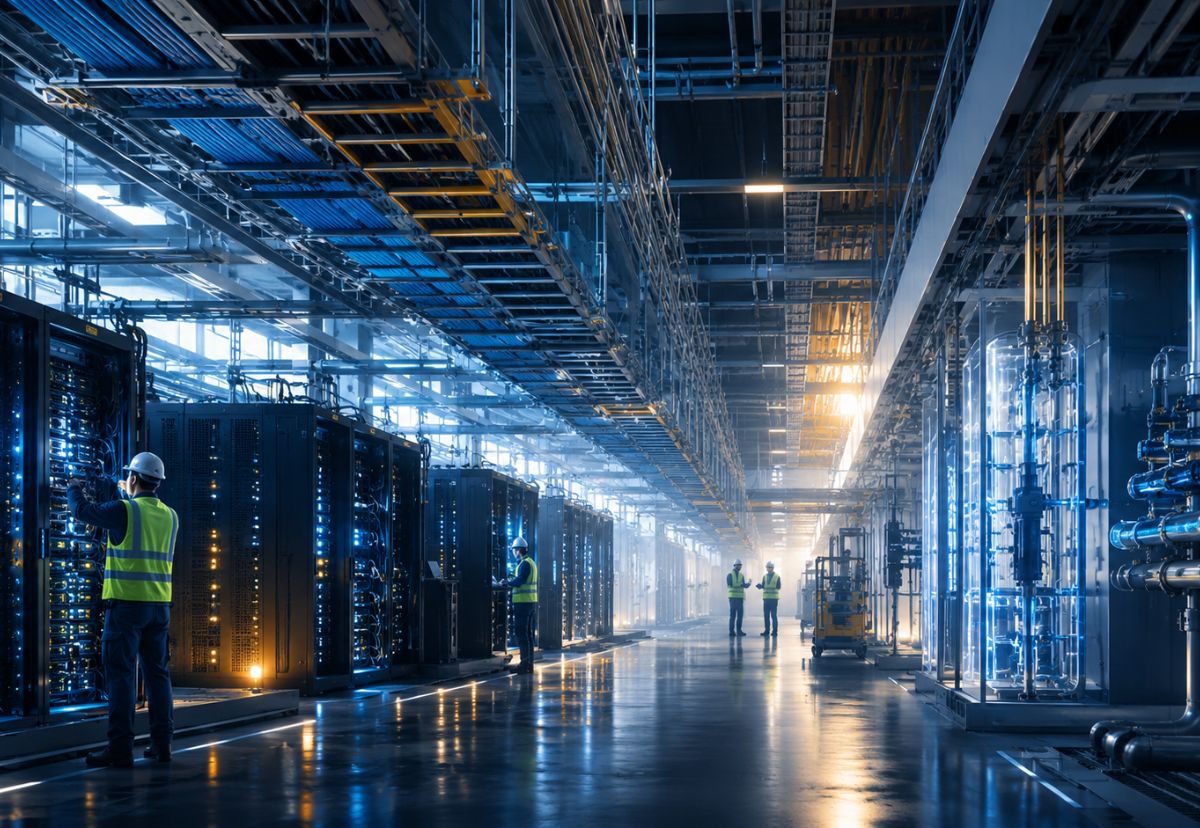
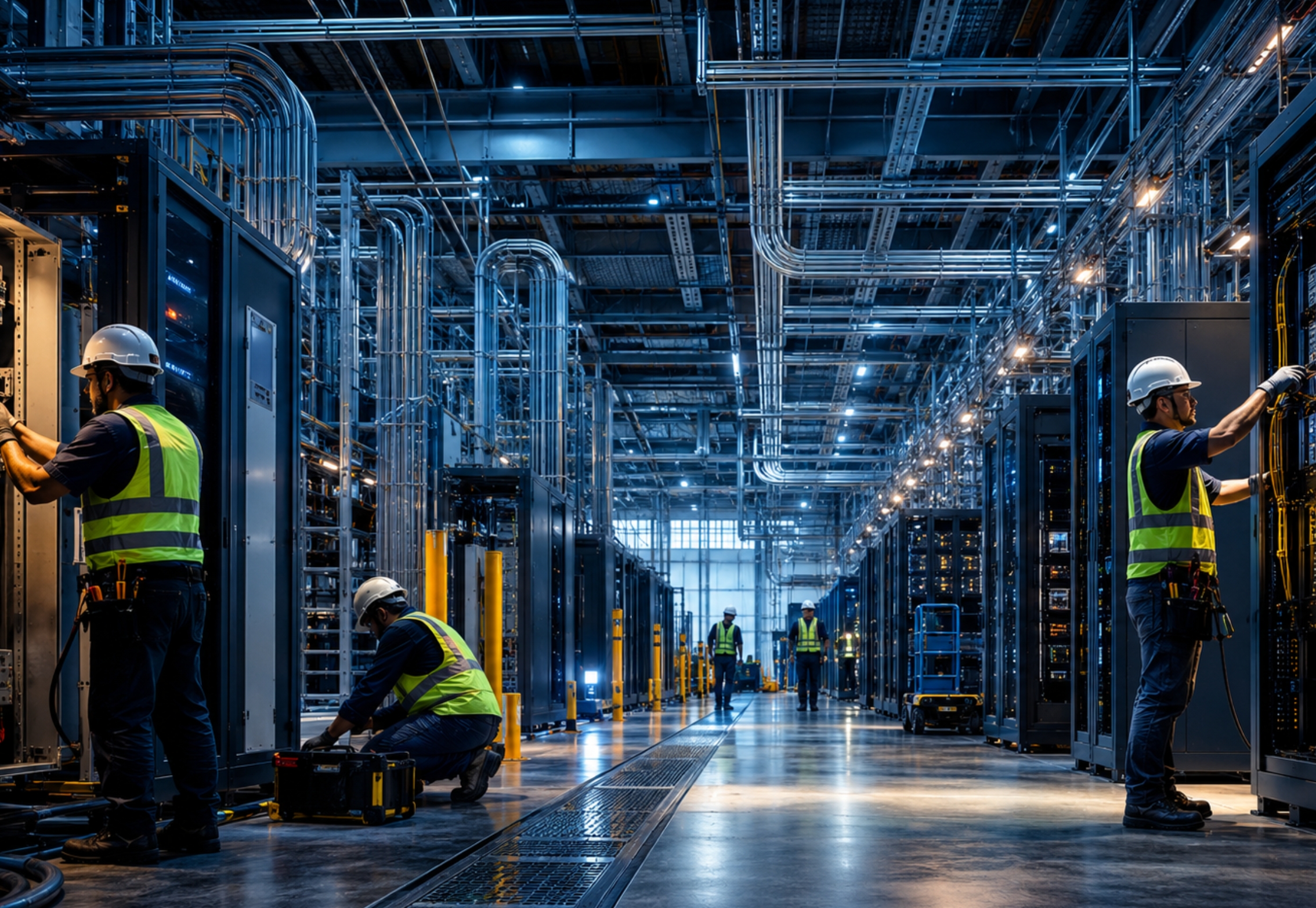
From manufacturing floors and warehouses to construction sites and critical infrastructure such as data centers, skilled tradespeople are the backbone of modern industry.

At FlexTrades, this day is about more than recognition. It’s about appreciating the people behind the work and what truly sets them apart.

Because, if you spend a little time in manufacturing, something quickly becomes clear. It’s not just what someone can do. It’s how they show up while doing it that makes all the difference.

Why This Day Matters

National Skilled Trades Day was created to bring awareness to the ever-growing demand for skilled trades professionals and to inspire more people to explore these essential careers.

That need continues to grow across industries:

  • Skilled labor shortages persist
  • Production demands are increasing
  • Timelines are tighter than ever

And while tools and technology continue to evolve, one thing hasn’t changed.

We still need skilled, reliable people to make it all work.

More Than Skill: What Sets Great Technicians Apart

Technical ability is critical in the skilled trades. Precision, experience, and training matter.

But across manufacturing environments, there’s another factor that consistently separates the good from the truly great. Mindset.

The best skilled trades pros don’t just complete tasks. They go above and beyond the job at hand by:

  • Taking ownership of their work
  • Staying engaged when priorities shift
  • Looking for ways to contribute beyond what’s expected

We see this every day in the field. In a recent interview, one of our technicians put it simply:

“I’m here to do what I gotta do, and I’ll make it happen.”

That mindset isn’t unique to one person. It’s shared by skilled trades professionals across the country, evidenced by people who show up ready to work, solve problems, and keep things moving.

The Impact You Can Feel

When manufacturers talk about their best people, they rarely start with a list of completed tasks.

They talk about impact.

They talk about individuals who:

  • Strengthen team dynamics
  • Improve communication on the floor
  • Bring consistency and reliability to every shift, every day

One client recently shared about a FlexTrades technician on-site, “He’s a team player who meshes well with everyone.”

Another added, “His presence changes the tone of the day.”

In fast-paced manufacturing environments, that kind of impact matters.

Because when teams are aligned and engaged, everything works better.

When Attitude Becomes Output

Across the skilled trades, the connection between mindset and performance is clear.

Technicians who stay engaged and take initiative don’t just complete their assigned work. They help move entire operations forward, sometimes seemingly single-handedly.

We’ve seen engineers and technicians step in to support other departments, take on additional responsibilities, and improve workflows simply because they refuse to stand still when there’s work to be done.

As one technician put it, “I can’t just sit here. What else can I do?”

That mindset leads to:

  • Greater flexibility across teams
  • Faster problem-solving
  • Stronger overall performance

It’s not complicated. But it’s powerful.

A Message to Skilled Trades Professionals

Today is about you.

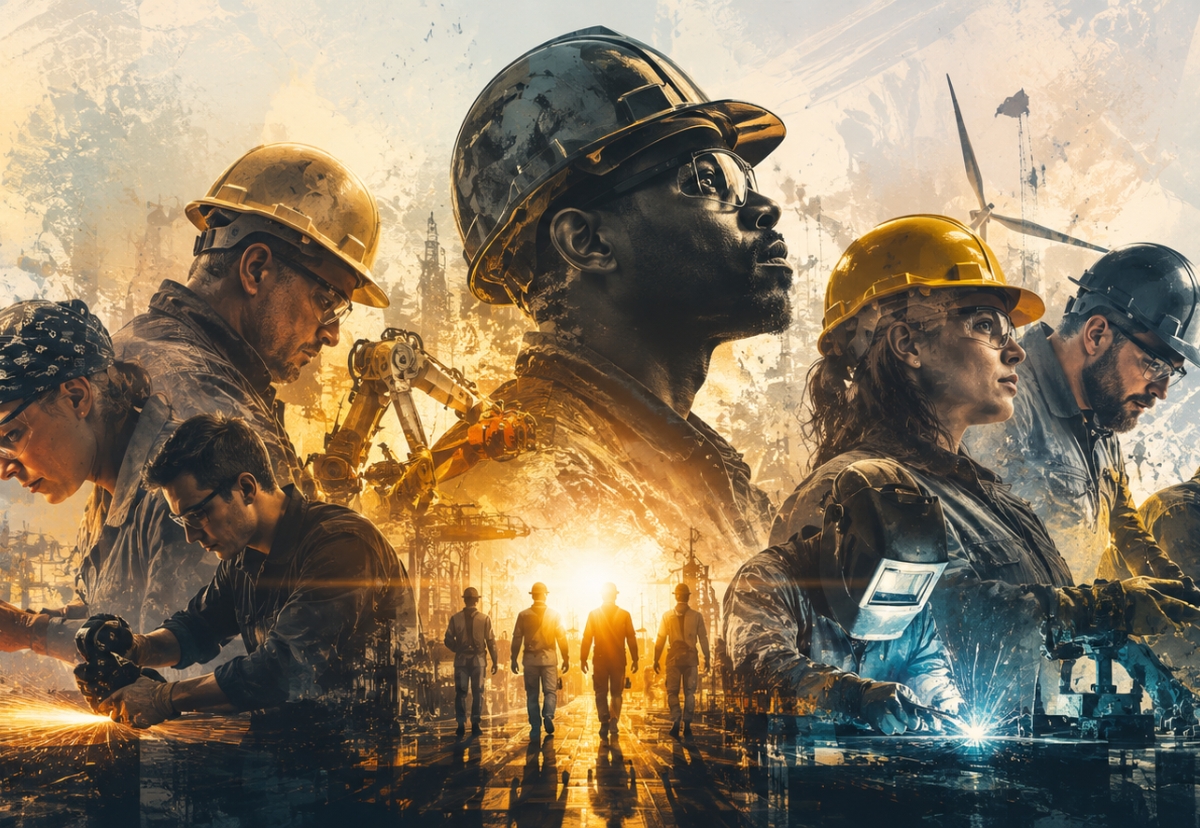
This day is for the welders, engineers, machinists, electricians, maintenance technicians, programmers, assemblers, inspectors, and countless others who show up every day ready to do the work.

You bring more than technical skills. You bring:

  • Work ethic
  • Pride
  • Consistency

You keep production moving, solve problems in real time, and help teams succeed under pressure.

And while the work doesn’t always get the spotlight it deserves, its impact is everywhere.

A Message to Manufacturers

National Skilled Trades Day is also a reminder of something critical:

It’s not just about filling roles. It’s about intentionally building the right workforce.

Because the right people:

  • Improve quality and output
  • Reduce risk and downtime
  • Strengthen the performance of entire teams

As one client shared about their experience working with FlexTrades, “There has not been an individual where I was expecting X and got Y.”

That level of trust comes from consistency in both skill and mindset.

Looking Ahead

For the next generation, the skilled trades offer more than opportunity. They offer purpose.

These are careers built on:

  • Hands-on problem-solving
  • Continuous learning
  • Real, tangible impact

And as today’s workforce shows, success in the trades isn’t complicated.

It’s built on showing up, putting in the effort, and taking pride in the work.

Built by People Who Show Up

The future of manufacturing, and the industries that depend on it, will always come back to people.

People who take initiative.

People who adapt.

People who care about doing the job right.

Today, we celebrate them. Tomorrow, we keep building with them.