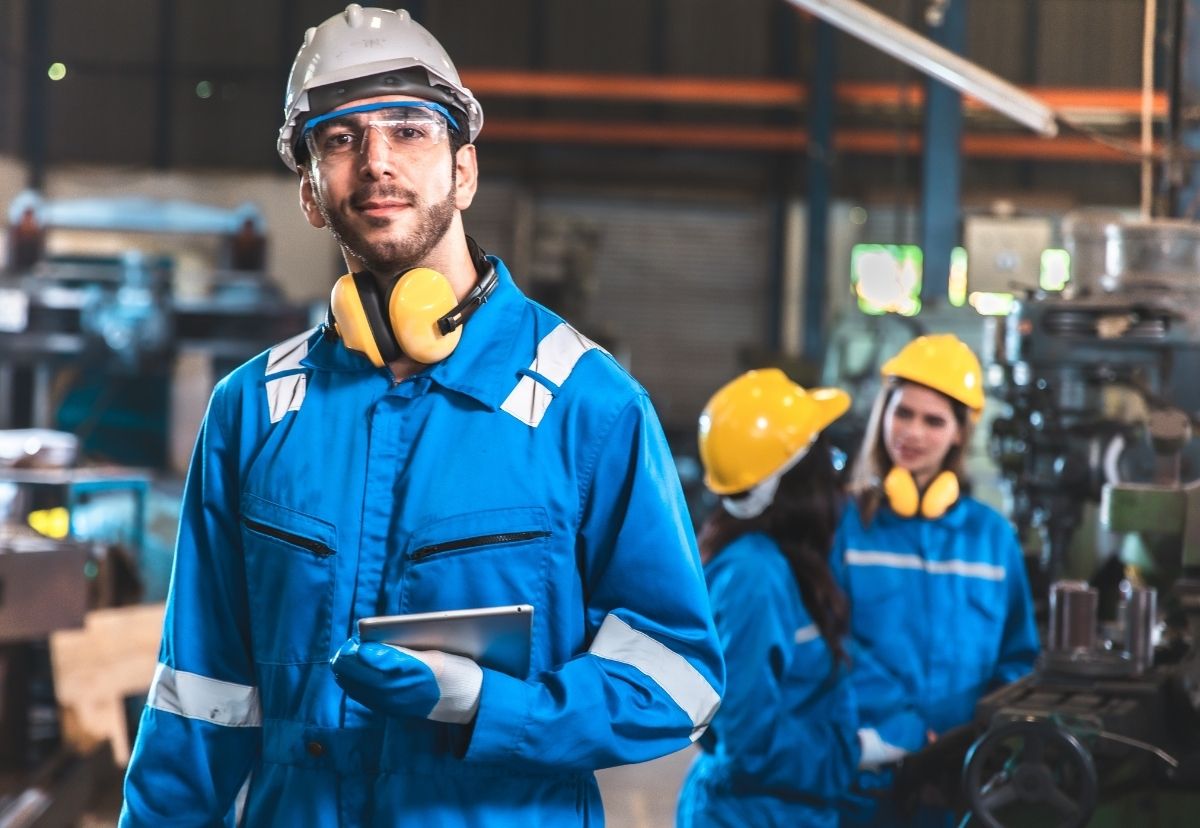
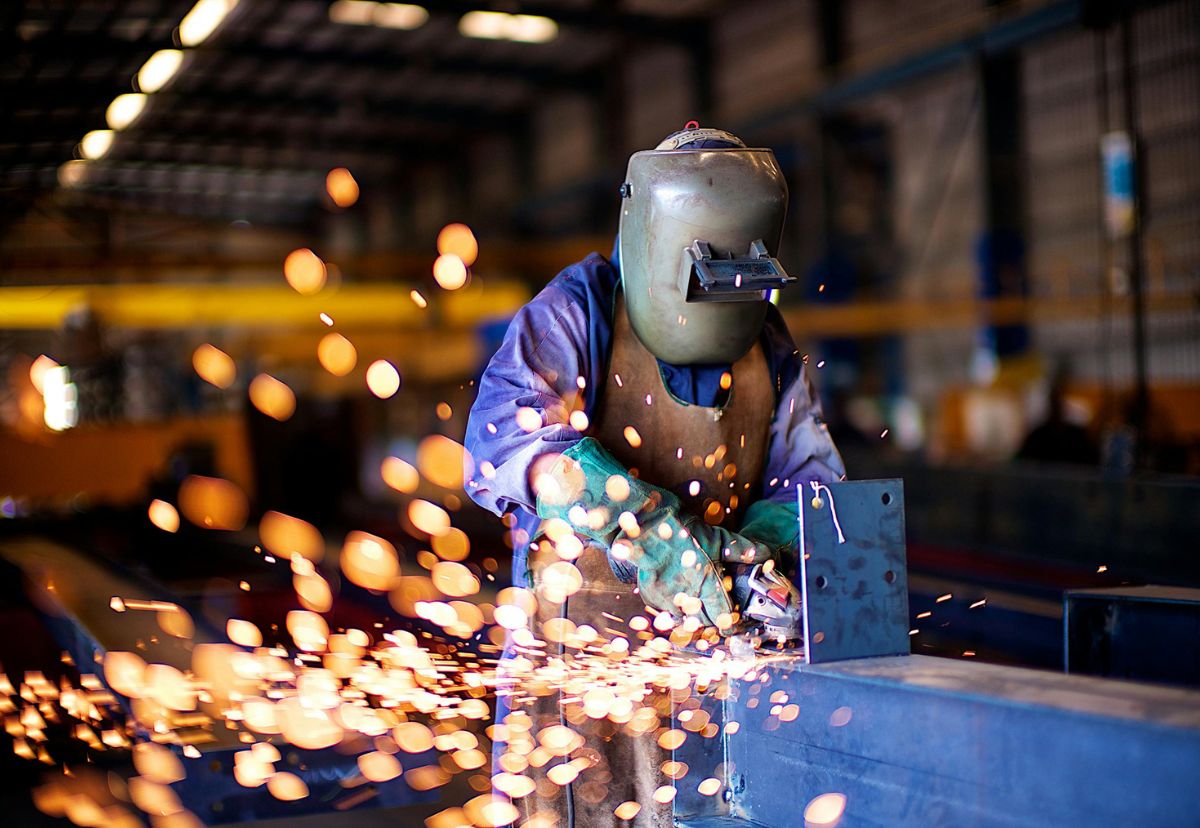
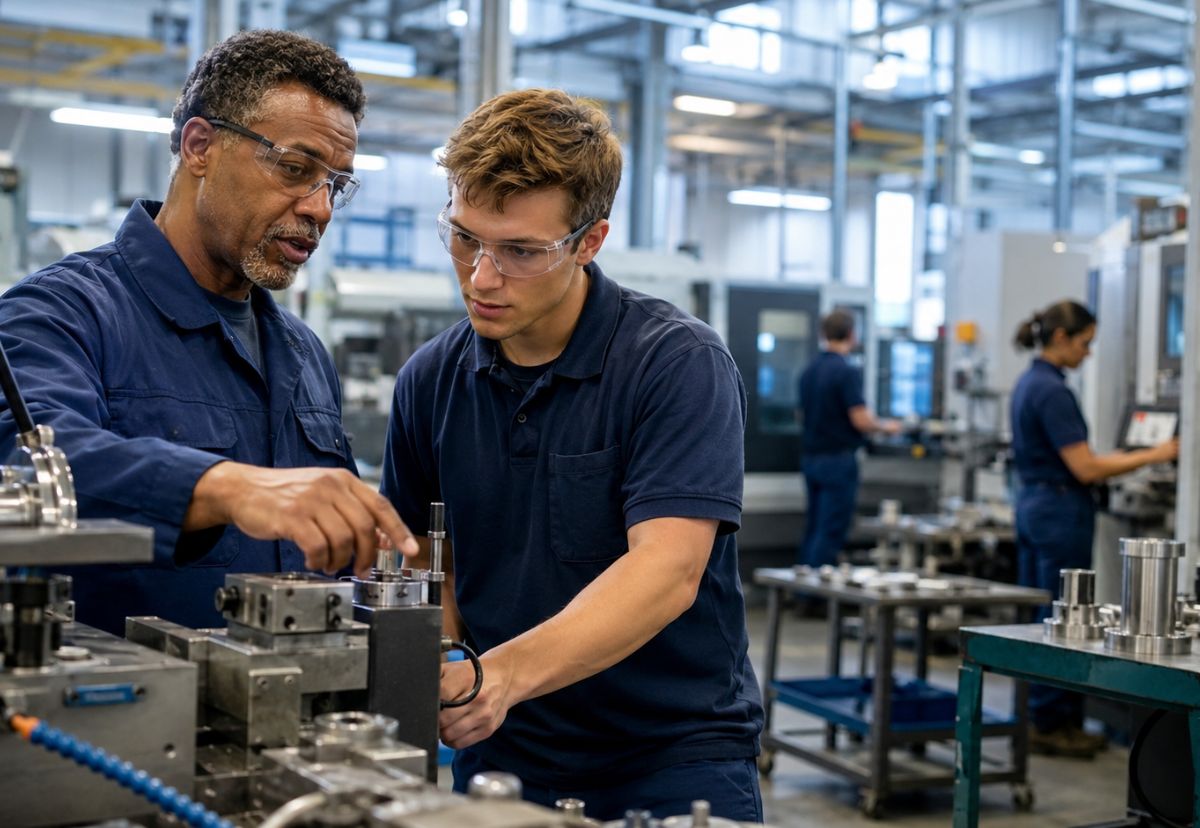
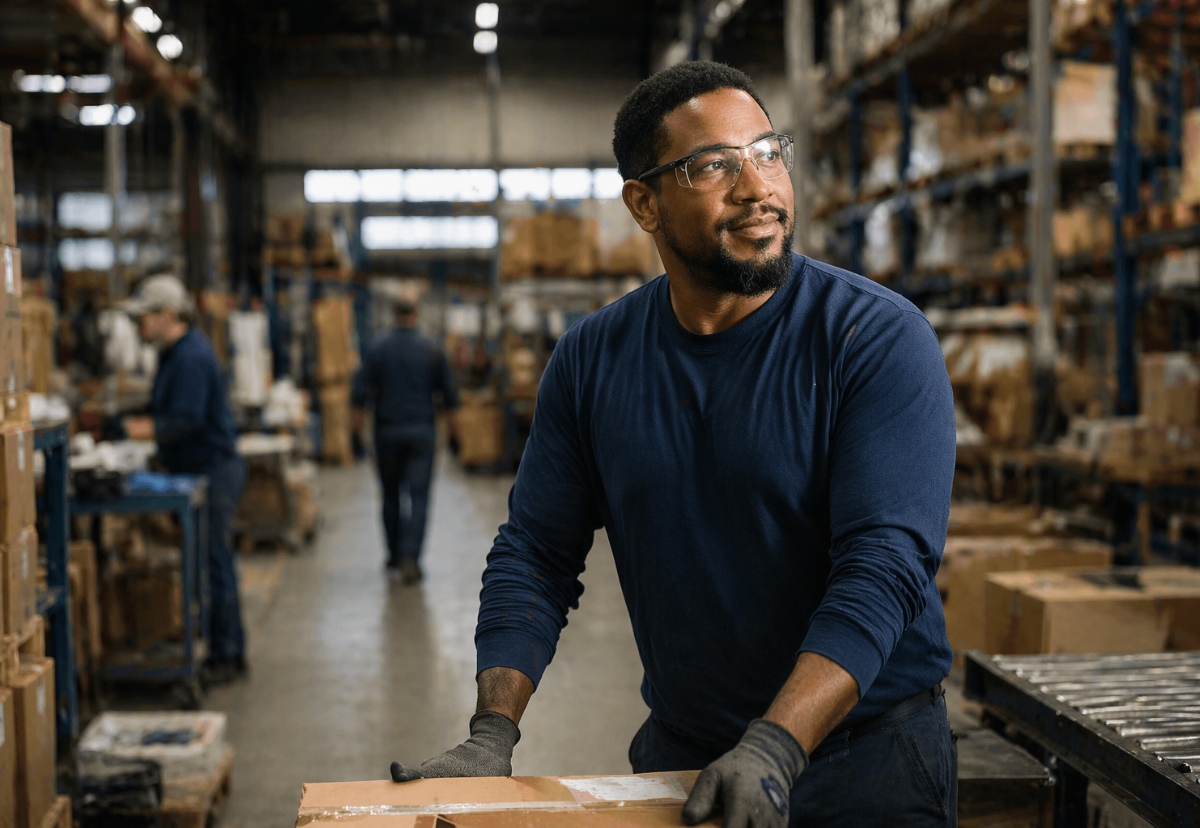
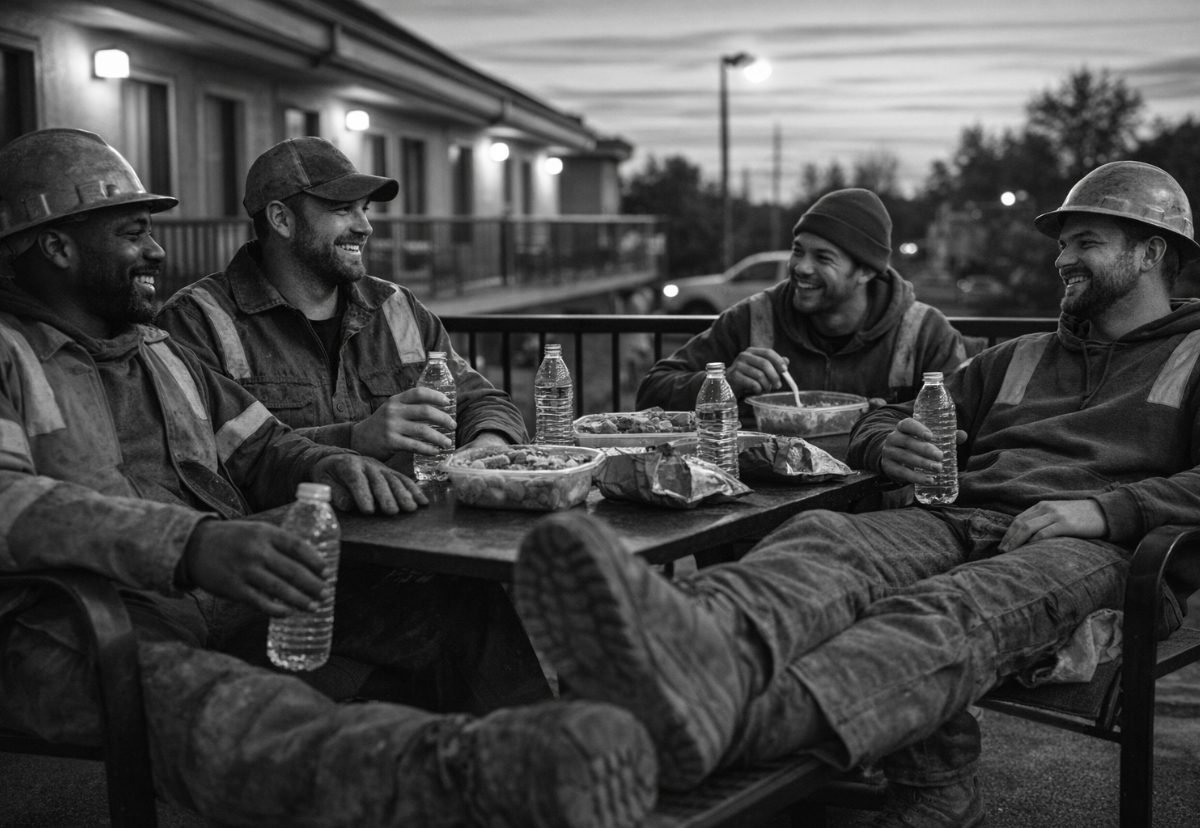
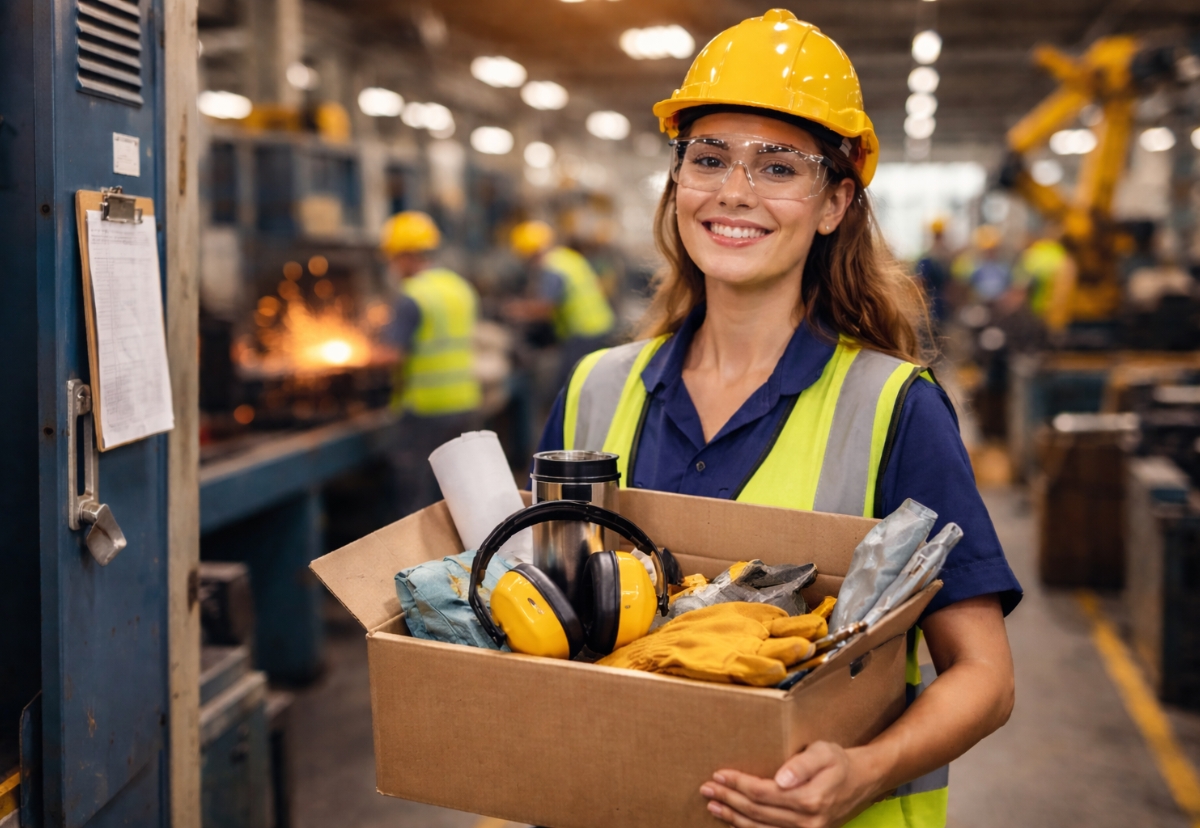
Manufacturing isn’t just another industry. It is the one industry that supports nearly every other industry.

Manufacturing builds the products that keep the country moving. Everything from aircraft and defense systems to medical devices, power generation equipment, food production equipment, vehicles, and infrastructure relies on skilled manufacturing professionals. And those are just the big things. Few think about the fasteners, bearings, springs, seals, and countless other components that make the larger products work. It all comes from manufacturing. In fact, people and their communities across America were built around manufacturing.

The Greatest Opportunity You’ve Never Considered

Manufacturing offers something many careers cannot: the ability to see the results of your work every day. Not every successful career requires a four-year degree. Skilled trades offer hands-on work, problem-solving, and tangible accomplishments. They also offer plenty of opportunity for progression and leadership roles. In fact, you don’t need to have the word “Supervisor” or “Manager” in your title to be a leader either. When you’re working on the manufacturing floor in any capacity, you gain firsthand experience that allows you to identify problems, suggest improvements, and help drive meaningful change. Leadership isn’t always a title. Often, it starts with the people closest to the work.

The Retirement Cliff Creates a Once-in-a-Generation Opportunity

As one generation passes the torch, another has the opportunity to build the future. Experienced tradespeople are retiring after decades of contributions. Their careers demonstrate the long-term stability manufacturing can provide. The next generation now has opportunities to step into meaningful, high-demand careers. As new generations enter the workforce, the retirement cliff doesn’t have to be viewed as a crisis. Instead, it can be seen as an opportunity for people seeking meaningful, rewarding careers to step into roles that are essential to America’s future.

Manufacturing Careers Are Built, Not Found

Sometimes, the best career opportunities are the ones people overlook. While manufacturing careers aren’t discussed as often as they once were, their importance has never diminished. In fact, for many people, manufacturing is a career path they simply haven’t considered. Whether you’re starting fresh or starting over, don’t be afraid to start at the beginning and then build your way to the top. Whether through entry-level positions, apprenticeships, technical schools, on-the-job training, or mentorship opportunities, manufacturing offers multiple pathways into a rewarding career.

And if you’re already working in manufacturing, it means having the mindset for continuous learning because learning is where advancement starts.

Manufacturing Needs More Than Workers. It Needs Builders.

The industry isn’t looking for people to simply fill positions. Those who find success in manufacturing and the skilled trades aren’t simply workers. They are:

  • Problem solvers
  • Innovators
  • Doers
  • Leaders
  • Learners

The future of manufacturing won’t be built by machines alone. It will be built by the skilled trades professionals who design, operate, maintain, repair, and continually improve the systems that power modern industry. Every experienced manufacturing technician, operator, machinist, welder, assembler, maintenance technician, electrician, and inspector was once a beginner who chose to give manufacturing a chance.

The Future of Manufacturing Starts With You

Manufacturing needs people who are ready to learn, solve problems, take on challenges, and build something that matters. Whether you’re an experienced trades professional looking for your next opportunity or considering the skilled trades for the first time, there is a place for you in the future of American manufacturing.

If you’re interested in the skilled trades, willing to travel, and ready to put your skills to work, FlexTrades can help connect you with opportunities across the country. Send us your resume and take the next step toward building your career in manufacturing.

Most technicians size up a job offer by looking at the following items: rate, location, start date, and hours. Those are the right issues to evaluate, but a good working relationship is governed by more than that, including how overtime is calculated, who your legal employer actually is, what you can expect during screening, and what happens if the project ends early. Those are the details that decide how the job actually goes.

As General Counsel of FlexTrades, I spend most of my time on the employer side of these arrangements, but here is what I would want a technician to look at, no matter which employer is making the offer.

Know Who Actually Employs You

Start with the most basic question: are you a W-2 employee or a 1099 independent contractor?

This is not a formality. As a W-2 employee, you generally have overtime protections under federal and state wage laws, workers’ compensation coverage if you are hurt on the job, potential eligibility for unemployment benefits if the assignment ends, and an employer withholding taxes and paying the employer share of Social Security and Medicare taxes. As a 1099 contractor, you have none of that by default, and the self-employment tax is yours to pay.

Some companies classify workers as contractors who, under the law, should be employees. A higher rate on a 1099 arrangement can be worth less than a lower one on a W-2 once you factor in coverage and the taxes you must pay yourself. Ask the question about employment status directly and get the answer in writing.

If you are working through a staffing company, there is a second question worth asking: when something goes wrong on site, who do you call? Well-run organizations answer that before your first shift.

The Rate Is Not the Total Picture

Overtime is where offers diverge most. Under federal law, most covered, nonexempt employees are entitled to at least one and a half times their regular rate for any hours over forty in a workweek. Several states add daily overtime rules, and some require meal and rest breaks that federal rules do not.

A few things worth confirming before you accept:

  • Guaranteed hours. If the offer advertises fifty hours a week, is that guaranteed or projected? What happens in a short week?
  • Travel time. Which portions of travel are paid, and at what rate?
  • Per diem. Is it taxable? Per diem on an assignment realistically expected from the outset to run longer than one year is generally taxable because the assignment is considered indefinite for federal tax purposes. That is an IRS rule, not an employer preference.
  • Lodging. Is it arranged and paid for you, reimbursed after the fact, or entirely on you to coordinate?
  • An early end. If the client cancels the project, what are you owed and how quickly are you paid? Final paycheck deadlines are set by state law and vary widely.

You Have Rights in the Screening Process

Employment background checks obtained through a third-party consumer reporting company are governed by the Fair Credit Reporting Act. Before a check is run, you are entitled to a clear, standalone written disclosure, and you must give authorization. If something in that background check is going to cost you the job, the employer must send you a pre-adverse action notice with a copy of the report and a summary of your rights, and give you an opportunity to dispute an error before the decision is final.

Reports do contain errors. If you receive that notice, do not treat it as the end of the conversation.

Drug testing rules now vary considerably by state, particularly for marijuana. Federally regulated safety-sensitive roles follow their own program regardless of what state law says. Ask the employer what rules apply to the role you are pursuing.

Two Employers, One Set of Safety Rights

You can report a hazard without fear of retaliation. That protection does not weaken because you are a contract or contingent worker. Where a staffing company places you at a host employer’s site, both companies generally have responsibilities for your safety.

Know who your on-site supervisor is, who your employer contact is, and how to reach both before your first shift.

The Bottom Line

None of this is about distrust. Most employers in this industry are trying to get it right, and the skilled trades play a critical role in today’s job market. That is worth protecting.

Ask the questions before you sign rather than after. A company that answers them plainly and puts the answers in writing is telling you something useful about how it does business.

At FlexTrades, our Technicians are W-2 employees. We review site safety expectations with our clients before a placement begins, and we work to have these answers ready at the offer stage.

Standard lawyer’s caveat: This is general information, not legal advice. For your specific situation, please consult your own counsel.

Technical skill matters. In manufacturing, it has to. You need people who know how to operate equipment, read prints, troubleshoot problems, perform maintenance, weld, machine, program, fabricate, or perform whatever specialized work the job requires.

But after decades of experience in the trades and in a variety of roles, I’ve learned something else, too. The most professional employee will almost always outperform the employee who is the most technically skilled.

That’s because technical ability is only part of what makes someone great at their job. The rest comes down to how you communicate, how you work with others, how you respond when something goes wrong, and how willing you are to learn and adapt.

These skills have traditionally been called “soft skills.” You may also hear them called human skills, interpersonal skills, social skills, transferable skills, or professional skills.

Whatever you call them, they’re not really “soft” at all. They’re the skills that determine how effectively you put your technical abilities to work.

Technical Skills Tell Us What. Professionals Understand Why and How.

A resume can tell you what someone has done.

“I’ve operated this machine.”

“I’ve worked with PLCs.”

“I’ve welded for 15 years.”

“I’ve performed preventive maintenance.”

Those things matter. They’re often the first indication that someone has the technical experience needed for a position. But the better question is, “How do you do those things, and why do you do them that way?”

That’s where you start seeing the difference between someone who has experience and someone who is truly a professional. A great technician doesn’t just know which button to push. They understand what the machine is doing, why it’s doing it, and what could happen if something isn’t right.

They don’t simply follow a process. They understand the purpose behind it. They don’t just fix a problem. They want to understand what caused it.

That deeper understanding is where technical skill and professional skill come together. And five “soft” skills consistently stand out.

1. Communication

Manufacturing is a team environment, even when you’re working independently.

You have to communicate with coworkers, supervisors, engineers, quality teams, maintenance personnel, customers, and sometimes people who don’t have the same technical background you do.

Good communication isn’t about being the most outgoing person in the room. It’s about making sure the right information gets to the right person at the right time.

That means listening. Asking questions when you don’t understand something. Explaining a problem clearly. Documenting what you’ve done. Speaking up when you see something that could affect safety, quality, or production.

A technically talented employee who can’t communicate effectively can create problems for everyone around them. A professional makes the people around them better informed and better equipped to do their jobs.

2. Teamwork

Manufacturing is a team effort every day.

Production doesn’t stop being a team effort because everyone has a different job title. The machinist, electrician, maintenance technician, welder, engineer, operator, supervisor, and quality professional all affect one another.

Great tradespeople understand that.

They’re willing to lend a hand when someone needs it. They share knowledge instead of hoarding it. They respect the experience of others. And they understand that sometimes the most valuable thing you can do is simply pitch in, pick up the broom, and help get the job done.

You don’t have to be everyone’s best friend. You do have to be someone people can count on.

3. Critical Thinking

Manufacturing rarely goes exactly according to plan.

A machine isn’t behaving the way it normally does. A measurement doesn’t make sense. A part isn’t coming out correctly. A process has changed. A new piece of equipment isn’t producing the expected results.

Technical knowledge gives you a foundation. Critical thinking helps you determine what to do with it.

The best technicians don’t immediately jump to the first explanation that comes to mind. They observe. They ask questions. They evaluate the information available to them and consider what might actually be happening.

That’s one of the biggest differences between simply having experience and knowing how to leverage that experience.

Experience isn’t just measured in years. It’s measured in exposure.

The more situations you’ve encountered, the more patterns you can recognize, and the better equipped you are to think through unfamiliar problems.

4. Problem Solving

Critical thinking helps you understand a problem. Problem solving helps you do something about it.

And problems are inevitable in manufacturing. The difference is how you respond to them.

Do you immediately look for someone else to fix it? Or do you stop, assess the situation, and start thinking about possible solutions?

Great technicians don’t necessarily have every answer, but they know how to find the answer.

They understand when to troubleshoot on their own, when to ask for help, and when to involve someone with different expertise. Most importantly, they don’t simply identify problems. They look for ways to prevent the same problem from happening again.

That solutions-oriented mindset can be incredibly valuable on a manufacturing floor.

5. Adaptability

Manufacturing changes constantly. New equipment. New processes. New technology. New products. New customers. New safety requirements. New expectations.

The technical skills that made someone successful five years ago may not be enough five years from now. That’s why adaptability matters.

Being adaptable doesn’t mean abandoning what you know. It means being willing to learn something new and apply what you already know in a different way.

The best technicians aren’t afraid of change. They’re curious about it.

They ask questions. They learn new processes. They stay open to different approaches. They understand that being an expert doesn’t mean you have nothing left to learn.

In fact, the opposite is often true.

These Skills Matter Before You Get the Job

These qualities aren’t just important once you’re on the manufacturing floor. They’re also visible during the hiring process.

A candidate who can clearly explain how they’ve approached a difficult problem tells you something.

A candidate who can describe how they’ve worked through a disagreement with a coworker tells you something.

A candidate who can explain why they chose a particular troubleshooting approach tells you something.

And a candidate who can admit, “I didn’t know, so I asked,” may tell you more than someone who tries to make themselves sound like they know everything.

For technicians entering the trades, these are skills worth developing alongside your technical education.

For experienced technicians, they’re skills worth continuing to sharpen.

And for manufacturers, they’re skills worth looking for when evaluating candidates.

The Person Behind the Resume

At FlexTrades, we see resumes every day that demonstrate impressive technical experience.

But a resume is only part of the story. The real differentiator is often what happens when you start talking to the person behind it.

How do they describe their work?

Do they talk about what they did, or can they explain why and how they did it?

Do they take ownership when something goes wrong?

Do they talk about the people they’ve worked with?

Are they curious?

Do they communicate clearly?

Are they willing to learn?

Those answers can tell you a lot about the kind of employee someone will be once they’re on the floor.

Technical skills may determine whether someone can do the job.

Professional skills often determine how well they do it and what kind of impact they have on everyone around them.

What Makes a Great Skilled Tradesperson?

The answer isn’t simply years of experience. It isn’t the number of machines someone has operated or the number of certifications listed on a resume.

It’s the combination of technical ability and everything that allows that ability to be put to work effectively.

Communicate. Collaborate. Think critically. Solve problems. Adapt. Keep learning.

Those aren’t secondary skills. They’re part of being a skilled trades professional.

Your technical abilities may be what get you through the door, but your professionalism is what makes people want to open that door for you again.

September has always been associated with going back to school.

For some people, that means buying school supplies, packing lunches, and getting the kids back into a routine. For others, it brings back memories of classrooms, homework, tests, and counting down the days until summer.

But for skilled trades professionals, going back to school doesn’t have to happen in September. In fact, if you’re serious about building your career, you may never really stop learning.

You might not be sitting in a classroom. There may not be a textbook, a test, or a teacher standing at the front of the room. But every new machine, process, facility, and challenge can teach you something. And those experiences add up.

Because when it comes to building a career, experience isn’t just measured in years. It’s also measured in exposure.

What equipment have you worked on? What problems have you solved? What industries have you seen? How many different ways have you seen the job done?

Those experiences can be just as important as the number of years listed next to your job title.

Your Career Is Still Your Classroom

Most skilled trades professionals understand that learning doesn’t stop when formal education ends. You can go to technical school, earn certifications, or attend training programs. All of those things can help build a foundation for your career.

But eventually, somebody has to put you in front of the machine. They have to hand you the tools. They have to give you a problem that doesn’t come with step-by-step instructions.

That’s where another kind of education begins.

A machinist may start by learning to operate a machine before moving into setups, programming, tooling, troubleshooting, or more complex equipment.

A maintenance technician might begin with mechanical work before gaining experience with electrical systems, PLCs, robotics, or automation.

A welder, brazer, or fabricator may discover that the techniques they learned on one job don’t necessarily prepare them for every material, application, or process they’ll encounter throughout their career.

Every new challenge adds something to your toolbox.

Sometimes that growth happens through formal training. Just as often, it happens because someone gives you an opportunity to work on something you’ve never worked on before. And, after you’ve done it once, you know a little more than you did before.

Do that enough times, and you start to build something that can’t always be measured simply by counting the years you’ve been on the job.

Ten Years of Experience Can Mean Different Things

Two technicians can both have 10 years of experience and have had very different careers.

One may have spent 10 years becoming an expert on a specific machine, process, or production environment. They know that operation inside and out, and there is tremendous value in that kind of expertise.

Another technician may have spent those same 10 years working with different equipment, in different facilities, with different teams, and across multiple industries. Along the way, they’ve encountered a wider variety of challenges and learned to solve problems in different environments.

Neither path is automatically better. But they are different. And that’s why years of experience don’t always tell the whole story. Exposure matters too.

The more you see, the more opportunities you have to learn. The more problems you encounter, the more problems you may be prepared to solve in the future.

The more equipment, processes, and environments you experience, the more tools you can add to your professional toolbox.

That’s one of the reasons it can be valuable to occasionally step outside of what you already know.

Sometimes a New Environment Is the Best Place to Learn

Starting somewhere new can be uncomfortable.

Even when you know your trade, a new facility can come with a learning curve. The equipment may be different. The processes may be different. The terminology may be different. The way one company approaches maintenance, quality, production, or troubleshooting may be completely different from what you’re used to.

But that’s also where the opportunity is. Every time you walk into a new environment, you’re exposed to another way of doing things.

Maybe you’ll learn a better process. Maybe you’ll discover a different approach to troubleshooting. Maybe you’ll work alongside someone with years of experience on equipment you’ve never touched before.

Or maybe you’ll be the experienced one. The person who has seen something similar somewhere else and knows how to approach the problem. That’s the value of exposure.

You don’t just learn from the jobs that go perfectly. You learn from the unfamiliar ones, the difficult ones, and the situations where you have to figure something out. Those experiences stay with you. And you can take them into the next opportunity.

Traveling Can Accelerate That Exposure

There are a lot of ways to build experience throughout a career. You can grow within one company. You can cross-train, take classes, earn certifications, and learn from experienced coworkers.

And for some technicians, traveling can be another way to accelerate that growth. Working in different facilities can expose you to different equipment, processes, industries, and ways of solving problems.

Traveling isn’t automatically the right career path for everyone. Some people find exactly what they’re looking for with one great employer and build an incredible career there.

But if you’re someone who enjoys new challenges, there is value in putting yourself in environments where you have something new to learn.

When you move from one assignment to another, you aren’t just adding another company name to your resume. You’re adding experiences.

Maybe you worked on equipment you hadn’t seen before. Maybe you learned a new control system. Maybe you gained experience in an industry that wasn’t previously on your resume. Maybe you worked alongside technicians who taught you something you can use for the rest of your career.

Those experiences compound over time. Eventually, your resume begins to tell a story that goes beyond job titles and years of experience. It tells people what you’ve actually done.

Don’t Let Your Career Development Happen by Accident

One of the best things you can do for your career is occasionally stop and ask yourself:

What do I want to learn next?

Maybe there’s a machine you’ve always wanted experience with. Maybe you want to become stronger in electrical troubleshooting. Maybe you want to learn PLCs, robotics, programming, or automation. Maybe there’s an experienced technician around you who knows something you don’t.

Or maybe you’re simply ready to step into an environment that will challenge you in a new way. The important thing is to take some ownership over your own development. Don’t assume that experience automatically equals growth.

You can spend years doing the same thing without necessarily expanding what you’re capable of doing. On the other hand, a single opportunity that pushes you outside your comfort zone can sometimes teach you more than months of doing what you’ve already mastered.

That doesn’t mean you should chase every new opportunity just because it’s new. It means you should be intentional about the experiences you collect along the way.

Build More Than Years. Build Experience.

The next time you think about your career, don’t just ask yourself how long you’ve been doing what you do. Ask yourself what you’ve been exposed to.

What equipment have you worked on?

What skills have you developed?

What types of problems have you learned to solve?

What industries have you experienced?

What can you do today that you couldn’t do a year ago?

Those answers may tell you more about where your career is headed than the number of years you’ve spent in a particular role. The good news is that learning doesn’t always require going back to a classroom.

Sometimes your next lesson is waiting on the next machine.

Sometimes it’s sitting across the shop floor.

Sometimes it’s the technician working beside you.

And sometimes, it’s waiting on an opportunity that takes you somewhere you’ve never been before.

So, What’s Next on Your Curriculum?

September may be back-to-school season, but your career doesn’t have to follow an academic calendar. You don’t have to wait until January to decide you want to learn something new. You don’t have to wait until you’re unhappy in your current role to think about where your career is going.

And you don’t have to have your entire future mapped out before taking the next step. Just keep learning.

Learn the next machine. Take on the next challenge. Ask questions. Learn from the people around you.

Look for opportunities that expand your experience. Because your career isn’t just built one year at a time. It’s built one experience at a time.

And while the number of years you’ve spent in your trade will always matter, experience isn’t just measured in years. It’s also measured in exposure.

At FlexTrades, we’ve seen how new environments and new challenges can help technicians build skills and experiences that stay with them throughout their careers. Traveling isn’t the only way to grow, and it isn’t the right path for everyone.

But for technicians who want to see more, learn more, and continue adding to their professional toolbox, every new assignment can be more than just another job.

It can be another opportunity to learn. And, when it comes to building a career, that’s an education that doesn’t have to end.
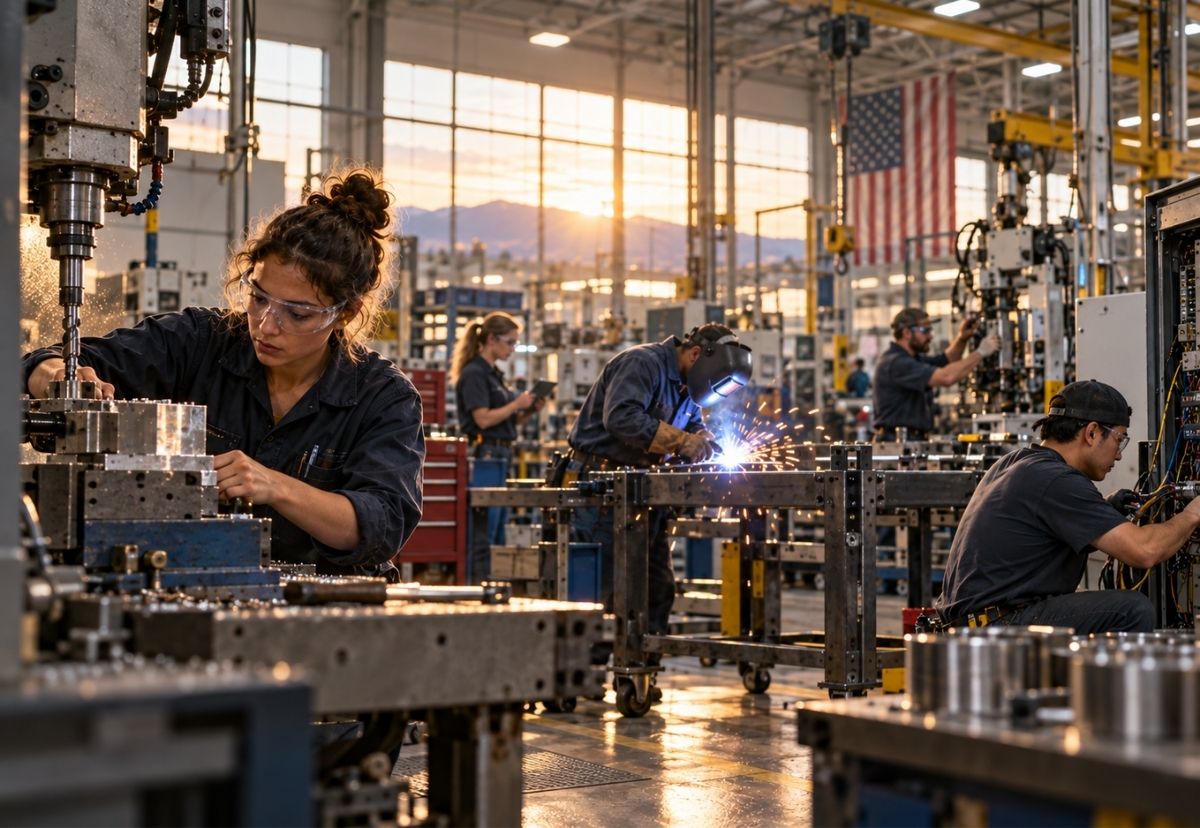
When engineers think about career growth, the traditional path often comes to mind… joining a company, becoming an expert in one facility or product line, and gradually taking on more responsibility over time.

While that path can be rewarding, it isn’t the only way to build a successful engineering career.

Project-based engineering, often referred to as travel engineering, offers a different opportunity. Instead of spending years solving challenges in one environment, travel engineers step into new facilities, tackle unique problems, and apply their expertise across different industries, technologies, and manufacturing environments.

For engineers who enjoy problem-solving, continuous learning, and making an immediate impact, project-based engineering can be a career path that accelerates professional growth. For travel engineers, it also offers the added benefit of seeing different parts of the country.

What Is Travel Engineering?

Travel engineers are brought in to support companies through specific projects, technical challenges, and critical initiatives. They use their engineering expertise to help organizations improve processes, solve problems, and achieve measurable goals.

At FlexTrades, travel engineers support projects such as:

  • New product development
  • Mechanical or electrical engineering and design
  • Equipment installations and startup support
  • Manufacturing process improvements
  • Automation and controls projects
  • Plant expansions and relocations
  • Lean and continuous improvement initiatives
  • Production ramp-ups and recovery efforts
  • Quality, reliability, and operational improvement projects

The fundamentals of engineering remain the same: analyzing problems, developing solutions, improving processes, and collaborating with teams. The difference is the variety of environments where those skills are applied.

How Is Travel Engineering Different from a Traditional Engineering Role?

Traditional engineering roles often focus on one facility, one product line, or one set of processes over a long period of time.

Project-based engineers take those same engineering skills and apply them to a variety of challenges. Each assignment brings a new environment, new equipment, and new opportunities to learn.

The experience gained from one project becomes valuable on the next. Travel engineers bring knowledge from previous assignments and use it to create solutions faster, helping companies benefit from a broader perspective and proven problem-solving approaches.

Rather than waiting years to gain exposure to different systems and industries, project-based engineers can gain that experience with each new deployment.

Why Engineers Choose Project-Based Work

One of the biggest misconceptions about travel engineering is that it is simply temporary work. In reality, project-based engineering can be a long-term career path built around growth, variety, and meaningful work.

Many engineers choose this path because they enjoy learning through new challenges. Every project introduces new technologies, processes, and teams. Engineers expand their skill sets by continuously adapting to new environments.

Some engineers like to be the go-to subject matter experts on the team. Travel engineers are often brought in because that’s exactly what the company needs: a problem solver. They need experienced professionals who can evaluate challenges, recommend solutions, and help teams move forward.

Most people like to know they are making a difference in the work they do. Project-based engineers can make a measurable impact in a relatively short period of time. Projects have clear objectives, constraints, and deliverables, allowing success to be measured through improvements in cost, schedule, quality, safety, performance, or reliability.

For engineers who enjoy seeing the direct impact of their work, that ability to measure success can be incredibly rewarding.

What Type of Engineer Is a Good Fit for Travel Engineering?

The most successful travel engineers are adaptable, self-motivated, and comfortable stepping into unfamiliar situations.

Strong candidates often enjoy hands-on problem-solving and learning how different companies approach manufacturing challenges. Experience in areas like manufacturing engineering, process engineering, controls and automation, or field engineering can be especially valuable.

Beyond technical skills, communication and leadership are critical. Travel engineers often work alongside internal teams, sharing knowledge and helping others understand not only what solution to implement, but why it works.

Does Travel Engineering Mean Permanent Relocation?

No.

Many engineers are hesitant to consider travel roles because they believe the position requires a permanent move. However, most assignments have a defined project timeline, allowing engineers to gain new experiences and then return home once the work is complete.

Travel expectations vary by project and client. While onsite support is often required for engineering roles, some assignments may offer hybrid flexibility depending on the project scope and business needs.

Build Your Career Through Experience

Traditional engineering roles offer the opportunity to develop deep expertise within a specific organization or environment. Project-based engineering adds another dimension, exposing engineers to diverse industries, technologies, and challenges while allowing them to make meaningful contributions across multiple organizations.

For engineers who thrive on problem-solving, continuous learning, and professional growth, travel engineering provides a unique career path, one that combines variety, impact, and the opportunity to build a broad and rewarding body of experience, one project at a time.

Every year, on the first Wednesday of May, we celebrate National Skilled Trades Day, a day dedicated to recognizing the highly skilled professionals whose work keeps our world running.

From manufacturing floors and warehouses to construction sites and critical infrastructure such as data centers, skilled tradespeople are the backbone of modern industry.

At FlexTrades, this day is about more than recognition. It’s about appreciating the people behind the work and what truly sets them apart.

Because, if you spend a little time in manufacturing, something quickly becomes clear. It’s not just what someone can do. It’s how they show up while doing it that makes all the difference.

Why This Day Matters

National Skilled Trades Day was created to bring awareness to the ever-growing demand for skilled trades professionals and to inspire more people to explore these essential careers.

That need continues to grow across industries:

  • Skilled labor shortages persist
  • Production demands are increasing
  • Timelines are tighter than ever

And while tools and technology continue to evolve, one thing hasn’t changed.

We still need skilled, reliable people to make it all work.

More Than Skill: What Sets Great Technicians Apart

Technical ability is critical in the skilled trades. Precision, experience, and training matter.

But across manufacturing environments, there’s another factor that consistently separates the good from the truly great. Mindset.

The best skilled trades pros don’t just complete tasks. They go above and beyond the job at hand by:

  • Taking ownership of their work
  • Staying engaged when priorities shift
  • Looking for ways to contribute beyond what’s expected

We see this every day in the field. In a recent interview, one of our technicians put it simply:

“I’m here to do what I gotta do, and I’ll make it happen.”

That mindset isn’t unique to one person. It’s shared by skilled trades professionals across the country, evidenced by people who show up ready to work, solve problems, and keep things moving.

The Impact You Can Feel

When manufacturers talk about their best people, they rarely start with a list of completed tasks.

They talk about impact.

They talk about individuals who:

  • Strengthen team dynamics
  • Improve communication on the floor
  • Bring consistency and reliability to every shift, every day

One client recently shared about a FlexTrades technician on-site, “He’s a team player who meshes well with everyone.”

Another added, “His presence changes the tone of the day.”

In fast-paced manufacturing environments, that kind of impact matters.

Because when teams are aligned and engaged, everything works better.

When Attitude Becomes Output

Across the skilled trades, the connection between mindset and performance is clear.

Technicians who stay engaged and take initiative don’t just complete their assigned work. They help move entire operations forward, sometimes seemingly single-handedly.

We’ve seen engineers and technicians step in to support other departments, take on additional responsibilities, and improve workflows simply because they refuse to stand still when there’s work to be done.

As one technician put it, “I can’t just sit here. What else can I do?”

That mindset leads to:

  • Greater flexibility across teams
  • Faster problem-solving
  • Stronger overall performance

It’s not complicated. But it’s powerful.

A Message to Skilled Trades Professionals

Today is about you.

This day is for the welders, engineers, machinists, electricians, maintenance technicians, programmers, assemblers, inspectors, and countless others who show up every day ready to do the work.

You bring more than technical skills. You bring:

  • Work ethic
  • Pride
  • Consistency

You keep production moving, solve problems in real time, and help teams succeed under pressure.

And while the work doesn’t always get the spotlight it deserves, its impact is everywhere.

A Message to Manufacturers

National Skilled Trades Day is also a reminder of something critical:

It’s not just about filling roles. It’s about intentionally building the right workforce.

Because the right people:

  • Improve quality and output
  • Reduce risk and downtime
  • Strengthen the performance of entire teams

As one client shared about their experience working with FlexTrades, “There has not been an individual where I was expecting X and got Y.”

That level of trust comes from consistency in both skill and mindset.

Looking Ahead

For the next generation, the skilled trades offer more than opportunity. They offer purpose.

These are careers built on:

  • Hands-on problem-solving
  • Continuous learning
  • Real, tangible impact

And as today’s workforce shows, success in the trades isn’t complicated.

It’s built on showing up, putting in the effort, and taking pride in the work.

Built by People Who Show Up

The future of manufacturing, and the industries that depend on it, will always come back to people.

People who take initiative.

People who adapt.

People who care about doing the job right.

Today, we celebrate them. Tomorrow, we keep building with them.

When most people talk about manufacturing or warehouse work, they tend to focus on skills, complex tools, or efficiency. But spend a little time on a shop floor or in a warehouse, and something else becomes obvious pretty quickly. It’s not just what someone can do, it’s how they show up while doing it.

That’s where technicians like Brandon J. stand out.

Brandon is an Inventory Control Technician with FlexTrades who is currently on assignment at Mesa Labs in Colorado. We had the pleasure of interviewing him on-site. His technical abilities are impressive, but what really stands out to clients has little to do with a checklist of skills. It’s his mindset, positive attitude, and the way he approaches nearly every interaction.

A man who “Just gets to work”

Brandon’s background is rooted in hands-on manufacturing experience, including years of foundry work and other traveling roles. He’s done the kind of work where precision matters and consistency isn’t optional.

What defines his approach, though, is far less technical. Brandon told us that he is “persistent and eager to learn. Willing to get in there, roll my sleeves up, and get to work.” He goes on to say, “I come in with the mindset that, hey, I’m here to do what I gotta do, and I’ll make it happen.”

That mindset is on display in how he approaches assignments at Mesa Labs, particularly in supporting warehouse functions, where flexibility and dependability matter just as much as technical skills.

For Brandon, the expectation is straightforward. Show up to work, stay engaged, and keep things moving.

No drama. No hesitation. Just effort.

Presence you can feel

When we hear about Brandon from Mesa Labs leadership, they don’t start with output metrics or the tasks he’s completed.

They start with how he makes them and their team feel.

When Mesa Labs provided a write-up for Brandon to be recognized for our Technician of the Quarter Award, which he won in Q4 2025, they said, “Brandon is always kind. He’s a team player who meshes well with everyone. Brandon always has a smile on his face and makes me want to smile too.”

We had the chance to speak with Jasmine Stone, Director of Operations for Mesa Labs. She added, “Brandon’s smile brightens the mood of everyone just by walking in the door.”

That might sound simple, but in a manufacturing environment where pressure, deadlines, and shifting priorities are constant, that kind of presence matters more than most people realize.

People like Brandon change the tone of a shift and influence how teams move through the day together.

Attitude that turns into productivity

Brandon’s technical role at Mesa Labs is straightforward. He pulls work orders, stages materials, and supports warehouse flow across different departments. What makes him valuable in this role isn’t just execution, but his willingness to go above and beyond.

Brandon told us about a time when his main duties slowed down, so he said to his manager, “I can’t just sit here. What else can I do?” His manager had a project in mind. “I dang near moved half the warehouse around to stay busy,” Brandon said.

That attitude led him to regularly jump into adjacent tasks, support other teams and departments, and help keep work moving across the facility. As his manager put it, “We’ve done a lot of the ‘groundskeeping’ things that get pushed aside. We’ve been able to reshape the warehouse, making sure that we are the best possible warehouse we can be for our customers.”

That willingness to stay active, flexible, and engaged is exactly what clients notice about technicians from FlexTrades.

The client perspective: Trust, Consistency, and fit

For many facilities, staffing challenges aren’t just about filling roles. They’re about finding the right people quickly, without sacrificing quality.

Stone emphasized consistency and clarity. “What separates FlexTrades from other agencies is transparency on pricing and competencies.” More importantly, “There has not been an individual where I was expecting X and got Y. FlexTrades says what we’ll do, and we do what we said.”

Seth Walker, Warehouse and BGI Manager at Mesa Labs, echoed a similar message about trust and fit. “You guys vet your people ahead of time. If we’re getting somebody from you, they’re a great person.”

When you combine that client expectation with the reality of technicians like Brandon, the full picture comes into focus. It’s not just staffing. It’s alignment.

The bigger picture: Why mindset scales

It’s easy to assume that productivity in manufacturing comes down to skills, complex tools, or efficiency. But Brandon’s story highlights something more. When technicians bring the right mindset, everything else works better.

  • Teams communicate more smoothly
  • Workflows stay flexible instead of breaking under pressure
  • Clients trust the people on-site faster
  • Facilities recover more quickly when priorities shift

That’s the multiplier effect of attitude. Not loud or complicated. Just consistent.

Conclusion

Brandon doesn’t describe himself as exceptional, because he doesn’t need to. His work, his attitude, and feedback from clients like Mesa Labs make that clear.

His advice to anyone going into the trades is simple. “Put your feelings aside and go in there with hard work. If you put forth the effort, usually it pays off.”

For clients like Mesa Labs, that mindset shows up every day. Not just in what gets done, but in how it feels to get it done.

In the end, technical skill gets the job started. Mindset is what keeps everything moving.

Traveling for work offers many opportunities, like strong pay, gaining professional experience, and seeing new places all over the country. But life on assignment also comes with the unique challenge of being far from home.

When you’re working hundreds, or even thousands, of miles away from family and friends, the sense of community you build on the road becomes incredibly important. The people you meet along the way often become the ones you share meals with, celebrate holidays with, and lean on when you’re navigating a new place.

I spoke with one of our experienced technicians, “John” (name changed at his request), about how he approaches life on assignment. As an introvert, he’s naturally a quiet person, but over time, he has learned that building connections with other technicians makes life on the road far more rewarding. What often starts as a quick conversation can grow into friendships that last long after an assignment ends.

Here are a few simple ways John builds community while traveling for work.

Pay Attention to Your Routine

One of the easiest ways to connect with people is simply by paying attention to the routines around you.

When you’re leaving for work in the morning or coming back at the end of the day, take note of who else might be doing the same thing. Someone carrying a lunchbox or still wearing PPE might be working nearby. They may even be with FlexTrades.

Creating a few routines outside of work can also help. Running errands, going for a walk, or visiting the gym at the same time each day helps you start recognizing familiar faces. Over time, those small interactions can turn into casual conversations and eventually friendships.

Start with Simple Conversations

Breaking the ice doesn’t have to be complicated.

If you think someone might be in the trades, John says one of the easiest questions to ask is simply, “Are you with FlexTrades?” Sometimes the answer is confusion. Sometimes it’s a surprised, “How’d you know?” Either way, the conversation has started.

If they’re with FlexTrades, you can also ask who their recruiter is as an easy follow-up. Shared connections instantly create common ground.

Even if they’re not in the trades, being new to an area gives you plenty to talk about. Asking where the best grocery store is or what restaurants they recommend can quickly lead to a good conversation.

Listen More Than You Talk

As the saying goes, “We have two ears and one mouth so that we can listen twice as much as we speak.”

For John, being an introvert actually became an advantage when it comes to meeting people. Instead of feeling pressure to do all the talking, he focuses on listening. Asking a few questions and showing genuine interest encourages others to share more about themselves.

When you’re a good listener, you don’t need to be the most outgoing person to make meaningful connections.

Pets Can Help Break the Ice

If you’re able to bring a dog with you on assignment, it can naturally create opportunities to meet people.

Walking a dog helps establish a routine and often leads to casual conversations with others in the area. People tend to ask about the dog, which makes starting a conversation feel easy and natural.

John also mentioned that having a dog around can help take the pressure off during those quiet moments in a conversation. If things pause for a moment, attention can shift to the dog rather than the silence.

Of course, bringing a pet isn’t always possible for some people. But when it is, it can be a great way to break the ice.

Turn Conversations into Shared Activities

Once you’ve broken the ice, the next step is building the relationship.

John likes to look for simple opportunities to spend time together. If the hotel has a grill, he might invite a few people over for a casual BBQ after work. Around holidays, he’s found small ways to celebrate, like hanging candy on people’s doors during Halloween.

Shared hobbies are another great way to build connections. Watching football on Sundays, finding a local fishing spot, or exploring the area together can turn acquaintances into real friendships.

Just like relationships back home, connections on the road grow through shared experiences.

Staying Connected After the Assignment

Eventually, every assignment comes to an end. Technicians head home or move on to the next project. But the relationships built along the way don’t have to end there.

John keeps in touch with many of the people he’s met while traveling. Some have invited him to weddings. Others exchange messages during the holidays. He’s hosted friends in his hometown and visited others when passing through their city.

For some technicians, the community built on assignment becomes one of the most rewarding parts of the traveling lifestyle.

Community Makes the Road Feel Smaller

Working on the road can feel isolating at first, especially when you first arrive somewhere new.

But as John has learned, building connections with new people can quickly change that experience. A conversation in the parking lot, a shared meal after work, or a weekend activity together can turn a temporary assignment into a place where you feel welcome.

Over time, those relationships often stretch far beyond a single job site. They become a community stretching across the country. Friends you can visit, call, or reconnect with years down the road.

And in a career built around travel, that sense of community can make the road feel a lot more like home.

“Job-ready on day one.”

It’s a phrase that sounds simple. But in manufacturing, simple phrases can carry complicated expectations. Let’s clarify what job-ready really means for American manufacturers, in-house hires, and skilled trades staffing partners alike.

When we tell clients our technicians will arrive job-ready on day one, we’re not saying they’ll walk into a brand new facility and operate independently within the first hour on-site. That wouldn’t be realistic, and unrealistic expectations don’t serve anyone.

Every manufacturing environment is different. Your processes are unique. Your equipment is configured your way. Your quality systems, ERP workflows, and internal communication rhythms are yours alone. Even the most experienced technician still needs orientation to your operation.

That’s not a weakness. That’s manufacturing reality.

Job-Ready Means Skilled, Experienced, and Prepared

When we say job-ready, we mean a technician arrives with:

  • The skills and experience required for success in the role
  • Hands-on familiarity with relevant tools, equipment, and systems
  • The ability to read prints, schematics, and technical documentation
  • A strong safety foundation and understanding of PPE expectations
  • Professionalism and the ability to integrate into an existing team

They are not learning their trade on your floor. They are applying a trade they already know.

That’s a meaningful difference.

What Job-Ready Does Not Mean

Job-ready does not mean zero ramp-up required.

No skilled trades professional, regardless of background, can skip site-specific onboarding. Your workflows, approval processes, quality checks, and internal standards still need to be learned.

The goal isn’t to eliminate ramp-up. The goal is to shorten it. And that’s the expectation we set clearly with our clients.

The Real Expectation: Rapid Ramp-Up

What we communicate, and what we see consistently play out, is this:

Our technicians ramp up rapidly, generally within a week or two for most technicians on most projects. That timeline isn’t about guarantees. It’s about patterns.

When someone already has the technical depth, industry exposure, and professional maturity required, they don’t need months to become productive. They need context.

Once they understand your environment, they execute.

Some of our clients are deeply aware of how unique their operations are compared to the “typical manufacturer”. They know no outside technician will be fully autonomous on day one. What they value is bringing in professionals who are capable of accelerating quickly, much faster than other gap-bridging options.

That’s where the difference shows.

Why This Clarity Matters

When expectations are vague, frustration builds.

If “job-ready” is interpreted as “independent immediately,” supervisors can feel disappointed. Technicians can feel pressure that isn’t safe or realistic. Projects can stall unnecessarily.

When expectations are aligned, something different happens:

  • Supervisors provide focused, site-specific onboarding.
  • Technicians absorb information efficiently.
  • Teams collaborate during that first critical week.
  • Productivity builds steadily instead of stalling.

A short ramp period, when handled intentionally, protects safety and quality while still meeting production goals.

The Difference Between Headcount and Capability

Manufacturers don’t need extra bodies. They need capable professionals who can step in, understand the assignment, and contribute quickly.

Job-ready on day one means:

  • You’re not teaching trade fundamentals.
  • You’re not correcting basic technical gaps.
  • You’re not absorbing avoidable safety risk.

You’re onboarding an experienced professional and skilled technician who understands manufacturing environments and can adapt to yours.

That adaptability is what drives rapid ramp-up.

Why It Matters Right Now

Production timelines are tight. Skilled labor is limited. Projects don’t wait.

But rushing someone into full independence before they understand your systems isn’t efficient, it’s risky.

The strongest partnerships are built on balanced expectations:

  • We send technicians ready to work.
  • You provide the site-specific onboarding that every company requires.
  • Together, we support a rapid ramp-up – typically within a week or two for most technicians on most projects.

That alignment protects productivity without compromising safety or quality.

The Bottom Line

Job-ready on day one doesn’t mean independent on day one.

It means skilled. Prepared. Professional. And capable of ramping up rapidly in a new environment.

Every manufacturing operation is different. We respect that. Our role isn’t to pretend onboarding isn’t necessary. Our role is to provide technicians who can move through that onboarding efficiently and reach full productivity quickly, safely, and successfully.

That’s what job-ready really means. Not instant. Accelerated.

October 25th is National I Care About You Day, which is a day encouraging people to express their love and appreciation for family, friends, and significant others. Traveling for work and being away from home may require a little more creativity to celebrate, but it’s no excuse to miss out on this opportunity. Just like having the right tools on the job, the right tools for communicating can make all the difference.

This blog covers some common ways to stay in touch with family and friends and hopefully will give you a couple of new ideas.

Send an Email or Text

This is an obvious answer, but sending a message to a person or group is so easy. It can be a quick “Good morning, what are you up to today?” message to your significant other to start the day. It could also be that ongoing text chain with your best buddies full of memes, irreverent jokes, and savage fantasy football trash talk.

Regardless of what you choose to send, it’s an easy way to keep a conversation going.

Voice and Video Calls

Many studies have shown that hearing the voice of a loved one has psychological benefits. It can reduce stress and anxiety, boost mood and happiness, and reinforce relational bonds.

Send a Postcard

Many of us enjoy seeing new places and exploring this great country. In fact, travel is one of the selling points of taking a job with FlexTrades! A great way to share that experience is to send a postcard.

If there’s something interesting within 50 miles, there’s probably a postcard with a picture of it readily available. State welcome centers, tourist sites, truck stops, and gift shops are just a few common places to find one. Before you drop it in the mail, write a quick note about where you were or what you were doing to add even more to the postcard.

Video Games

A 2023 technician survey revealed that a common travel essential for technicians is their video game console or laptop. If you already play games at home, it’s a relatively easy activity to pack up and keep the good times rolling on the road. Of course, this option depends on a solid internet connection, so be sure to check with your hotel to see what the internet and Wi-Fi connection options are before you go.

If internet speeds don’t allow a full-blown console game to run, there are hundreds of games you can play using a web browser or the app store on your phone.

Streaming Together

If you like to “Netflix and Chill,” there are a number of ways you can stream content with others.

For free content, like YouTube, most apps with screen-sharing features will work. Some apps even have built-in functionality to make it easy and interactive. For example, Discord has a built-in feature called Watch Together, which allows you to build and watch a YouTube playlist with anyone you want.

For paid streaming services, like Netflix or Hulu, there are a number of apps or browser extensions, such as Teleparty, that allow you to watch together, but anyone watching will need a subscription to those services.

Virtual Date with Your Significant Other

Last year, we posted a blog with ideas on how to celebrate Valentine’s Day on the road. But you don’t need to wait for Valentine’s Day for a virtual date.

This can be as easy as planning to go for a walk while on a video call. Or take it further and plan an evening to eat a meal together while streaming a movie or TV show. You could even schedule a delivery of flowers or a gift to arrive during your call.

Conclusion

With smartphones, tablets, and laptops, it’s easier than ever to stay in touch with friends and family wherever we all are. If you’re looking for ways to stay connected and celebrate National I Care About You Day, give some of these suggestions a try.