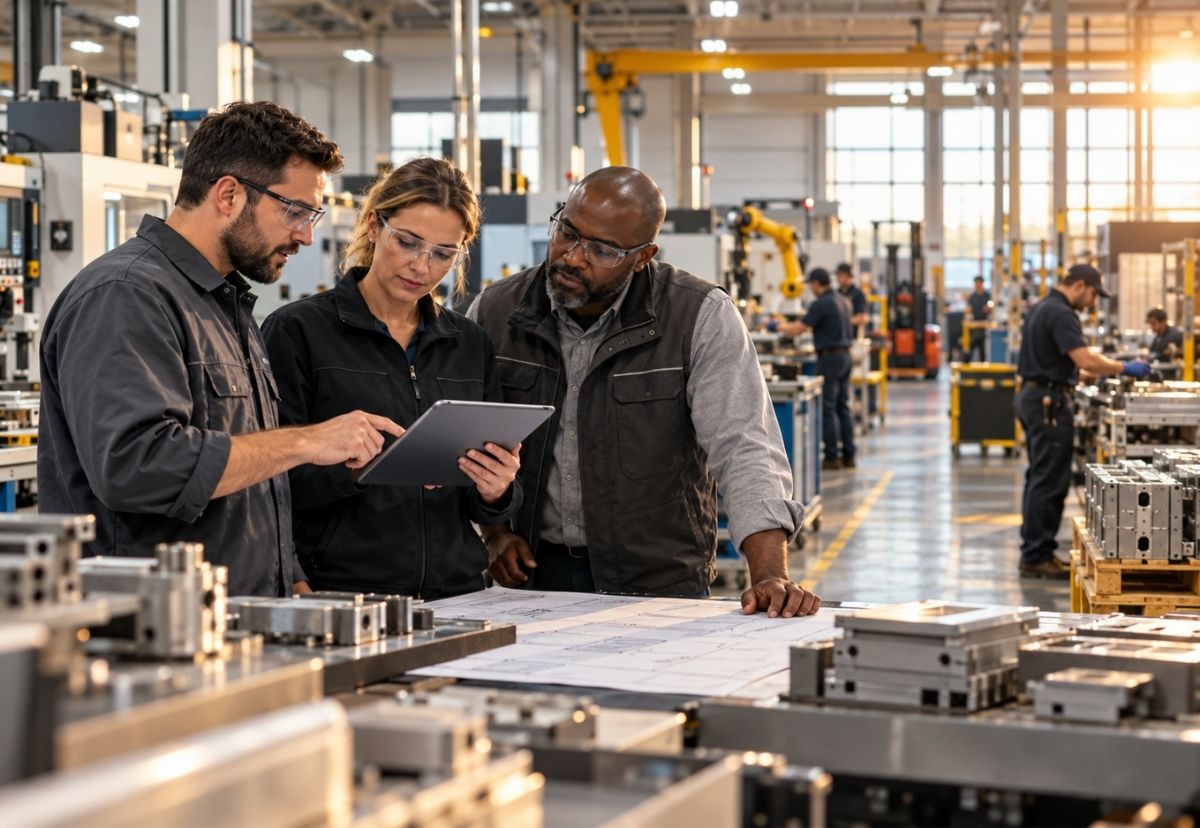
For many manufacturers, Q4 can bring increased production demands, tighter deadlines, holiday schedules, and unexpected workforce challenges. Whether your business experiences a seasonal surge or simply needs to close out the year strong, waiting until production is already at its peak to address workforce needs can create unnecessary pressure.

The best time to solve a Q4 workforce challenge isn’t when production is already at its peak. It’s before the busy season begins.

Here are 10 things manufacturers should consider when planning for Q4.

1. Forecast Your Q4 Production Demand

Start by looking at your expected orders, customer forecasts, and historical production data. Understanding what demand could look like in the final months of the year can help you determine whether your current workforce has the capacity to keep up.

2. Evaluate Your Workforce Capacity

Take a close look at your current team and the skills required to meet your production goals. Do you have enough machinists, welders, operators, maintenance technicians, and other skilled workers to support your Q4 plans?

Identifying gaps early gives you more time to address them.

3. Plan for Holiday Time Off Early

Thanksgiving, Christmas, and New Year’s can create significant gaps in staffing. Employees will understandably want time off, so it’s important to plan for those absences before they affect production.

Review PTO requests early and determine which positions need coverage to maintain operations.

4. Account for Seasonal Business Peaks

Not every manufacturer experiences the same Q4. Some businesses see a significant increase in demand, while others experience a slower period.

Know where your business falls and plan accordingly. If your busiest months are ahead, waiting until production ramps up to find additional skilled workers can leave you scrambling for support.

5. Identify Critical Skills and Single Points of Failure

Q4 is not the ideal time to discover that only one person knows how to operate a critical machine or troubleshoot a specialized piece of equipment.

Identify the skills and positions that are essential to your operation. Then consider whether you have enough qualified people to provide coverage if someone is unavailable.

6. Prepare Your Maintenance Strategy

More production can mean more equipment utilization and more opportunities for equipment failure.

Review preventive maintenance schedules and address known equipment issues before they become unexpected downtime. Planning maintenance around your production schedule can help keep equipment and people working when you need them most.

7. Build Flexibility Into Your Workforce Plan

Manufacturing plans can change quickly. An unexpected order, extended project, or additional shift can change your staffing needs with little notice.

A flexible workforce strategy gives manufacturers more options when demand changes. Having access to skilled workers who can support specific projects or production needs can help businesses respond without placing all the additional workload on their existing teams.

8. Review Overtime and Shift Coverage

Before increasing overtime, look at your overall shift coverage. Can your current workforce support additional hours without creating excessive fatigue or unsustainable overtime demands?

Consider second- and third-shift coverage, weekend production, and holiday schedules when building your Q4 staffing plan.

9. Address Workforce Gaps Before You Need Them

If you already know you’ll need additional skilled workers, don’t wait until production is at full capacity to start looking.

Recruiting, screening, onboarding, and deploying skilled talent takes time. Starting the process early gives you more opportunities to find the right people and have them ready when production demands increase.

10. Don’t Forget About January

Q4 planning shouldn’t end when the calendar hits December 31.

Look ahead to Q1 and consider which projects will continue, how demand could change, and whether temporary workforce needs will extend into the new year. Planning beyond the immediate busy season can help you avoid carrying workforce challenges forward into the new year.

Start Planning Before the Busy Season

A successful Q4 doesn’t happen by accident. It requires manufacturers to look ahead at production demand, equipment needs, and workforce capacity before those challenges become urgent.

For some businesses, that may mean preparing for holiday absences. For others, it may mean adding skilled workers to support increased production or maintaining flexibility as customer demand changes.

The best time to solve a Q4 workforce challenge isn’t when production is already at its peak. It’s before the busy season begins.

By starting your workforce planning early, you can enter Q4 with a clearer understanding of your needs and a strategy for meeting them.

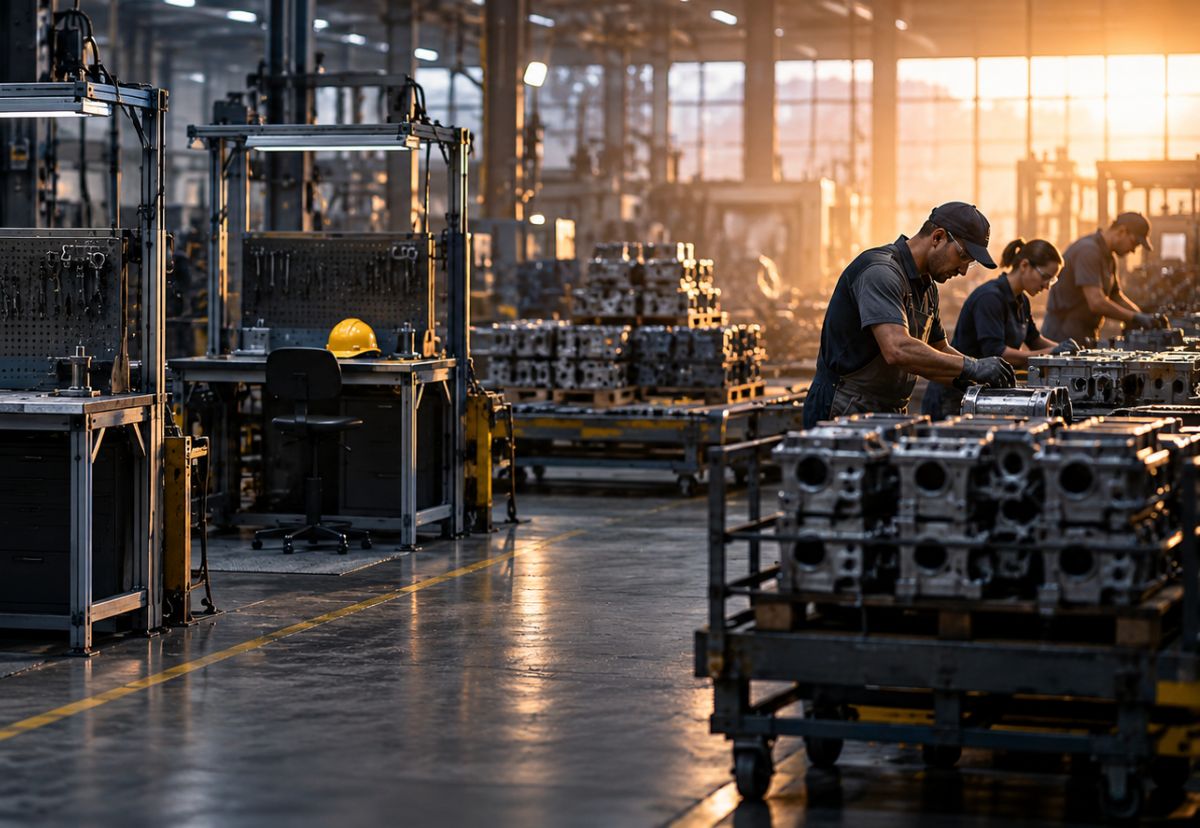
Most technicians size up a job offer by looking at the following items: rate, location, start date, and hours. Those are the right issues to evaluate, but a good working relationship is governed by more than that, including how overtime is calculated, who your legal employer actually is, what you can expect during screening, and what happens if the project ends early. Those are the details that decide how the job actually goes.

As General Counsel of FlexTrades, I spend most of my time on the employer side of these arrangements, but here is what I would want a technician to look at, no matter which employer is making the offer.

Know Who Actually Employs You

Start with the most basic question: are you a W-2 employee or a 1099 independent contractor?

This is not a formality. As a W-2 employee, you generally have overtime protections under federal and state wage laws, workers’ compensation coverage if you are hurt on the job, potential eligibility for unemployment benefits if the assignment ends, and an employer withholding taxes and paying the employer share of Social Security and Medicare taxes. As a 1099 contractor, you have none of that by default, and the self-employment tax is yours to pay.

Some companies classify workers as contractors who, under the law, should be employees. A higher rate on a 1099 arrangement can be worth less than a lower one on a W-2 once you factor in coverage and the taxes you must pay yourself. Ask the question about employment status directly and get the answer in writing.

If you are working through a staffing company, there is a second question worth asking: when something goes wrong on site, who do you call? Well-run organizations answer that before your first shift.

The Rate Is Not the Total Picture

Overtime is where offers diverge most. Under federal law, most covered, nonexempt employees are entitled to at least one and a half times their regular rate for any hours over forty in a workweek. Several states add daily overtime rules, and some require meal and rest breaks that federal rules do not.

A few things worth confirming before you accept:

  • Guaranteed hours. If the offer advertises fifty hours a week, is that guaranteed or projected? What happens in a short week?
  • Travel time. Which portions of travel are paid, and at what rate?
  • Per diem. Is it taxable? Per diem on an assignment realistically expected from the outset to run longer than one year is generally taxable because the assignment is considered indefinite for federal tax purposes. That is an IRS rule, not an employer preference.
  • Lodging. Is it arranged and paid for you, reimbursed after the fact, or entirely on you to coordinate?
  • An early end. If the client cancels the project, what are you owed and how quickly are you paid? Final paycheck deadlines are set by state law and vary widely.

You Have Rights in the Screening Process

Employment background checks obtained through a third-party consumer reporting company are governed by the Fair Credit Reporting Act. Before a check is run, you are entitled to a clear, standalone written disclosure, and you must give authorization. If something in that background check is going to cost you the job, the employer must send you a pre-adverse action notice with a copy of the report and a summary of your rights, and give you an opportunity to dispute an error before the decision is final.

Reports do contain errors. If you receive that notice, do not treat it as the end of the conversation.

Drug testing rules now vary considerably by state, particularly for marijuana. Federally regulated safety-sensitive roles follow their own program regardless of what state law says. Ask the employer what rules apply to the role you are pursuing.

Two Employers, One Set of Safety Rights

You can report a hazard without fear of retaliation. That protection does not weaken because you are a contract or contingent worker. Where a staffing company places you at a host employer’s site, both companies generally have responsibilities for your safety.

Know who your on-site supervisor is, who your employer contact is, and how to reach both before your first shift.

The Bottom Line

None of this is about distrust. Most employers in this industry are trying to get it right, and the skilled trades play a critical role in today’s job market. That is worth protecting.

Ask the questions before you sign rather than after. A company that answers them plainly and puts the answers in writing is telling you something useful about how it does business.

At FlexTrades, our Technicians are W-2 employees. We review site safety expectations with our clients before a placement begins, and we work to have these answers ready at the offer stage.

Standard lawyer’s caveat: This is general information, not legal advice. For your specific situation, please consult your own counsel.

When left open, skilled trades positions do not pause production costs. They quietly multiply them.

Often, the most visible cost of a skilled trades position that’s left open is the wage that is not being paid, which can make waiting seem economical. However, on the production floor, the opposite is true. The missing machinist, welder, maintenance technician, assembler, or controls specialist greatly affects output, extends downtime, creates overtime pressure for other personnel, delays orders, and oftentimes pulls experienced employees away from their highest-value work.

FlexTrades has cited an average of nearly 59 days to acquire skilled trades technicians and engineers through direct-hire methods. In comparison, it takes an average of 4.5 days for FlexTrades to fill those same open positions for manufacturers across the United States. That difference represents 54.5 days of additional productivity when a FlexTrades employee is deployed to customer sites.

So, when you’re thinking, “What will it cost to bring in help?” the real question should be, “What is the cost of every single day without the skilled personnel needed to meet demand?”

A Vacancy Is an Operational Constraint

Work does not disappear when there are vacancies on the manufacturing floor. Rather, that work is deferred, redistributed, slowed, or completed with less experienced support. And that means:

  • Lost throughput: Machines, lines, or work cells run below capacity.
  • Overtime and fatigue: Existing employees cover the gap, increasing labor spend as well as the risk of burnout, sick days, and attrition.
  • Longer downtime: Preventive maintenance is postponed and repairs wait for the right expertise. Repairs are often costlier as well.
  • Quality issues: Rushed work, unfamiliar assignments, and thin supervision can raise rework and defect risk.
  • Delayed revenue: Backlogs grow, shipment dates move, and new work gets declined.
  • Leadership distraction: Supervisors spend more time scheduling around shortages and less time improving the operation.

Calculate the Cost Per Vacancy on a Daily Basis

A useful estimate doesn’t need to be perfect, but it is very revealing. Start with the costs that can be measured inside the facility:

  • Production value lost per hour multiplied by the number of constrained hours.
  • Overtime premium paid to cover the work.
  • Downtime or idle-equipment cost.
  • Rework, scrap, and expedited-shipping costs.
  • Revenue or margin delayed by missed output.
  • Supervisor and senior-employee time diverted from higher-value work.

Here’s an example.

If an open role contributes to just $2,000 per day in lost output, overtime, and delay costs, a 59-day hiring cycle creates $118,000 in operational cost exposure. Even if only part of that amount could be recovered by adding qualified support sooner, the cost of action may be far lower than the cost of waiting.

Costs Aren’t Short-Term: They Compound

  1. Overtime Becomes a Retention Problem: Overtime can protect a schedule for a short period, but it is not a durable workforce strategy. As the weeks add up, fatigue affects attention, attendance, safety, morale, and retention. One vacancy eventually contributes to another, making the original shortage more expensive to solve.
  2. Deferred Maintenance Raises the Stakes: When maintenance teams are short, urgent repairs naturally outrank preventive work. That tradeoff may keep production moving today but also increases the likelihood of a longer outage tomorrow. The cost is no longer just the open position; it is the lost production surrounding an avoidable failure and the increased cost to repair as well.
  3. Quality and Delivery Risks Reach the Customer: Labor shortages in a manufacturing facility are not confined to the facility itself. They show up as longer lead times, inconsistent quality, missed delivery commitments, and slower responses to new orders. Those outcomes affect customer confidence and can influence future business long after the position is filled.

Speed Matters, but So Does the Quality of the Match

Filling a position quickly only creates value when the person can perform the work. Traditional industrial staffing fills at a rate of 64%, while FlexTrades’ placement rate sits at 99%. Additionally, when you compare FlexTrades’ assignment success rate of 82% to that of traditional temporary staffing firms, you’ll find it is much higher than their 55% success rate. That produces an estimated 2.7 times more production output for a project with 10 of our highly skilled technicians onsite.

There’s an old adage that says, “You’ve got to spend money to make money,” meaning financial investments and risks are often necessary to generate profit. Only half of that is true when working with FlexTrades. There may be an investment required to bring on our workforce, but it’s not a risk. Our technicians have the skills and experience you need right from the get-go and ramp up very quickly in new facilities. We deliver certainty.

How FlexTrades Ultimately Helps Your Pocketbook

The financial case for faster support becomes strongest when:

  • A machine, line, or shift cannot run at planned capacity.
  • Backlog is growing faster than the internal team can recover it.
  • Overtime has become routine rather than temporary.
  • A product launch, facility move, automation project, or shutdown has a fixed deadline.
  • Experienced employees are training, troubleshooting, and producing at the same time.
  • The local labor market cannot supply the required specialty quickly enough.

Additionally, FlexTrades protects the permanent hiring plan. Adding contract skilled labor does not require a manufacturer to abandon direct hiring. It can protect production while the company continues searching for the right permanent employees. A “bridge the gap” solution can stabilize output, reduce overtime, support training, complete urgent projects, and prevent the hiring team from lowering its standards simply because the operation is under pressure.

The Cost of Waiting Is Too High

The cost of an open position can add up quickly. Don’t let workforce gaps hold back production.

Ready to close the gap? Contact FlexTrades today to find the skilled workforce you need.

Technical skill matters. In manufacturing, it has to. You need people who know how to operate equipment, read prints, troubleshoot problems, perform maintenance, weld, machine, program, fabricate, or perform whatever specialized work the job requires.

But after decades of experience in the trades and in a variety of roles, I’ve learned something else, too. The most professional employee will almost always outperform the employee who is the most technically skilled.

That’s because technical ability is only part of what makes someone great at their job. The rest comes down to how you communicate, how you work with others, how you respond when something goes wrong, and how willing you are to learn and adapt.

These skills have traditionally been called “soft skills.” You may also hear them called human skills, interpersonal skills, social skills, transferable skills, or professional skills.

Whatever you call them, they’re not really “soft” at all. They’re the skills that determine how effectively you put your technical abilities to work.

Technical Skills Tell Us What. Professionals Understand Why and How.

A resume can tell you what someone has done.

“I’ve operated this machine.”

“I’ve worked with PLCs.”

“I’ve welded for 15 years.”

“I’ve performed preventive maintenance.”

Those things matter. They’re often the first indication that someone has the technical experience needed for a position. But the better question is, “How do you do those things, and why do you do them that way?”

That’s where you start seeing the difference between someone who has experience and someone who is truly a professional. A great technician doesn’t just know which button to push. They understand what the machine is doing, why it’s doing it, and what could happen if something isn’t right.

They don’t simply follow a process. They understand the purpose behind it. They don’t just fix a problem. They want to understand what caused it.

That deeper understanding is where technical skill and professional skill come together. And five “soft” skills consistently stand out.

1. Communication

Manufacturing is a team environment, even when you’re working independently.

You have to communicate with coworkers, supervisors, engineers, quality teams, maintenance personnel, customers, and sometimes people who don’t have the same technical background you do.

Good communication isn’t about being the most outgoing person in the room. It’s about making sure the right information gets to the right person at the right time.

That means listening. Asking questions when you don’t understand something. Explaining a problem clearly. Documenting what you’ve done. Speaking up when you see something that could affect safety, quality, or production.

A technically talented employee who can’t communicate effectively can create problems for everyone around them. A professional makes the people around them better informed and better equipped to do their jobs.

2. Teamwork

Manufacturing is a team effort every day.

Production doesn’t stop being a team effort because everyone has a different job title. The machinist, electrician, maintenance technician, welder, engineer, operator, supervisor, and quality professional all affect one another.

Great tradespeople understand that.

They’re willing to lend a hand when someone needs it. They share knowledge instead of hoarding it. They respect the experience of others. And they understand that sometimes the most valuable thing you can do is simply pitch in, pick up the broom, and help get the job done.

You don’t have to be everyone’s best friend. You do have to be someone people can count on.

3. Critical Thinking

Manufacturing rarely goes exactly according to plan.

A machine isn’t behaving the way it normally does. A measurement doesn’t make sense. A part isn’t coming out correctly. A process has changed. A new piece of equipment isn’t producing the expected results.

Technical knowledge gives you a foundation. Critical thinking helps you determine what to do with it.

The best technicians don’t immediately jump to the first explanation that comes to mind. They observe. They ask questions. They evaluate the information available to them and consider what might actually be happening.

That’s one of the biggest differences between simply having experience and knowing how to leverage that experience.

Experience isn’t just measured in years. It’s measured in exposure.

The more situations you’ve encountered, the more patterns you can recognize, and the better equipped you are to think through unfamiliar problems.

4. Problem Solving

Critical thinking helps you understand a problem. Problem solving helps you do something about it.

And problems are inevitable in manufacturing. The difference is how you respond to them.

Do you immediately look for someone else to fix it? Or do you stop, assess the situation, and start thinking about possible solutions?

Great technicians don’t necessarily have every answer, but they know how to find the answer.

They understand when to troubleshoot on their own, when to ask for help, and when to involve someone with different expertise. Most importantly, they don’t simply identify problems. They look for ways to prevent the same problem from happening again.

That solutions-oriented mindset can be incredibly valuable on a manufacturing floor.

5. Adaptability

Manufacturing changes constantly. New equipment. New processes. New technology. New products. New customers. New safety requirements. New expectations.

The technical skills that made someone successful five years ago may not be enough five years from now. That’s why adaptability matters.

Being adaptable doesn’t mean abandoning what you know. It means being willing to learn something new and apply what you already know in a different way.

The best technicians aren’t afraid of change. They’re curious about it.

They ask questions. They learn new processes. They stay open to different approaches. They understand that being an expert doesn’t mean you have nothing left to learn.

In fact, the opposite is often true.

These Skills Matter Before You Get the Job

These qualities aren’t just important once you’re on the manufacturing floor. They’re also visible during the hiring process.

A candidate who can clearly explain how they’ve approached a difficult problem tells you something.

A candidate who can describe how they’ve worked through a disagreement with a coworker tells you something.

A candidate who can explain why they chose a particular troubleshooting approach tells you something.

And a candidate who can admit, “I didn’t know, so I asked,” may tell you more than someone who tries to make themselves sound like they know everything.

For technicians entering the trades, these are skills worth developing alongside your technical education.

For experienced technicians, they’re skills worth continuing to sharpen.

And for manufacturers, they’re skills worth looking for when evaluating candidates.

The Person Behind the Resume

At FlexTrades, we see resumes every day that demonstrate impressive technical experience.

But a resume is only part of the story. The real differentiator is often what happens when you start talking to the person behind it.

How do they describe their work?

Do they talk about what they did, or can they explain why and how they did it?

Do they take ownership when something goes wrong?

Do they talk about the people they’ve worked with?

Are they curious?

Do they communicate clearly?

Are they willing to learn?

Those answers can tell you a lot about the kind of employee someone will be once they’re on the floor.

Technical skills may determine whether someone can do the job.

Professional skills often determine how well they do it and what kind of impact they have on everyone around them.

What Makes a Great Skilled Tradesperson?

The answer isn’t simply years of experience. It isn’t the number of machines someone has operated or the number of certifications listed on a resume.

It’s the combination of technical ability and everything that allows that ability to be put to work effectively.

Communicate. Collaborate. Think critically. Solve problems. Adapt. Keep learning.

Those aren’t secondary skills. They’re part of being a skilled trades professional.

Your technical abilities may be what get you through the door, but your professionalism is what makes people want to open that door for you again.

For manufacturers, growth can create a challenge that has little to do with demand. They need enough skilled people to meet that demand.

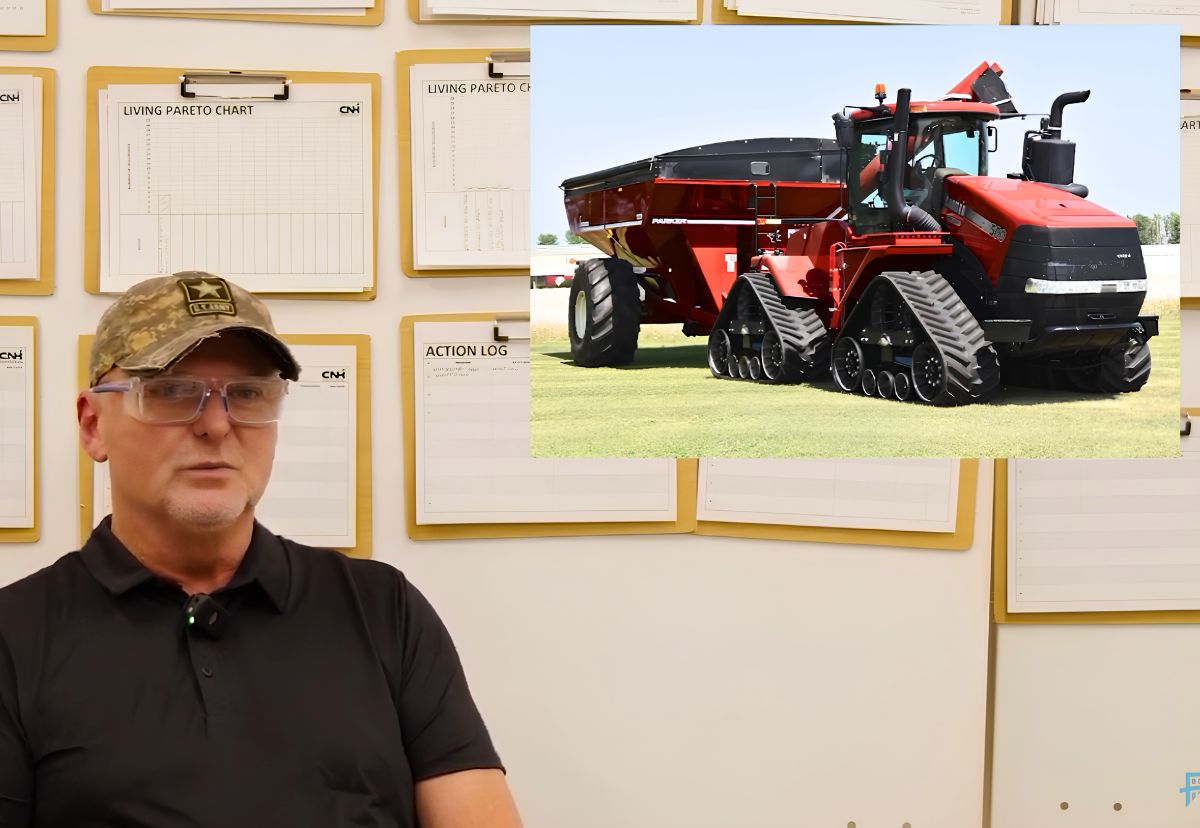
That was the situation facing CNH’s operation in Fargo, North Dakota. The facility manufactures large-scale agricultural equipment and wheel loaders for the construction side of the business, and as production needs grew, finding the skilled tradespeople needed to support that growth became increasingly difficult.

According to Tom Dennison, Operations Manager at CNH Fargo, the local labor market presented a significant challenge.

“The skilled trade we were looking for seemed to be lower in this area,” Dennison explained, while pointing to positions such as welders, machinists, plasma and punch operators, press brake operators, laser operators, mechanics, and electronics-related roles.

Even when CNH identified the right candidate, there was another challenge: time.

Months of Searching Wasn’t Sustainable

For a manufacturing operation, an open position can have a much bigger impact than simply leaving a job unfilled. When production depends on specialized expertise, vacancies can limit capacity, slow operations, and make it harder to respond to changing demand.

Dennison noted that CNH could sometimes spend months trying to find and hire the right people on its own.

That timeline created a clear gap between the people the facility needed and the speed at which it could bring them into the operation.

FlexTrades helped close that gap.

From Months to Weeks

CNH partnered with FlexTrades between 2023 and 2025 to supplement its workforce with skilled professionals across a broad range of manufacturing roles.

The difference in speed was significant.

As Dennison put it, while hiring independently could take months, “it’s literally weeks” with FlexTrades to get the right people through the door and working.

That speed gave CNH something critical: flexibility.

Rather than allowing open positions to dictate how quickly the operation could grow, CNH had access to skilled professionals when and where they were needed. Dennison said, “We wouldn’t be able to grow as fast as we had without that FlexTrades ability. It would have slowed us down dramatically.”

The support wasn’t limited to one type of position, either.

During the partnership, FlexTrades deployed traveling manufacturing professionals in roles including:

  • CNC Operators
  • Diesel Technicians
  • Maintenance Technicians
  • Fabricators
  • Assemblers
  • Painters
  • Press Brake Operators
  • Quality Inspectors
  • Welders

That breadth of expertise allowed FlexTrades to support different areas of the operation and address a variety of skilled workforce needs as they arose.

Speed Was Only Part of the Solution

Getting people into the facility quickly only solves part of the problem. In a highly technical manufacturing environment, the quality and experience of those workers matter just as much.

This was one of the areas where FlexTrades made a particularly strong impression on Dennison.

Reflecting on the maintenance technicians and welders CNH received, he said their skill level coming into the facility was “surprising.” Rather than requiring extensive training before workers could contribute independently, the experience and capabilities of FlexTrades professionals helped shorten the gap between onboarding and performing the job independently.

For CNH, that meant the value of the partnership wasn’t simply filling empty positions. It was bringing in people who could contribute quickly and effectively.

“If you want to get up and going with quality people fast, that’s definitely the way to do it,” Dennison said.

A Workforce Solution Built for Manufacturing

The needs of a modern manufacturing operation continue to evolve. In the same interview, Dennison discussed how technology is changing the skills required on the production floor, with IT and operations technology increasingly converging.

Machines are generating more data. Equipment connectivity is increasing. Operators and maintenance professionals are interacting with technology and systems that require a broader digital skill set than they did decades ago.

That makes access to qualified technical talent even more important.

For CNH Fargo, FlexTrades provided a way to address those workforce challenges without being limited solely by the available local labor pool. When the operation needed skilled professionals, FlexTrades could provide them in weeks rather than leaving CNH to spend months searching for the right fit.

And that combination of speed, flexibility, and quality gave CNH the ability to keep moving.

Dennison’s recommendation is direct: “I wouldn’t go with anyone else, that’s for sure!”

For manufacturers facing the same skilled labor constraints, the lesson from CNH Fargo is clear. When growth depends on specialized talent, the ability to quickly access experienced skilled professionals can make the difference between waiting to scale and being ready to grow.