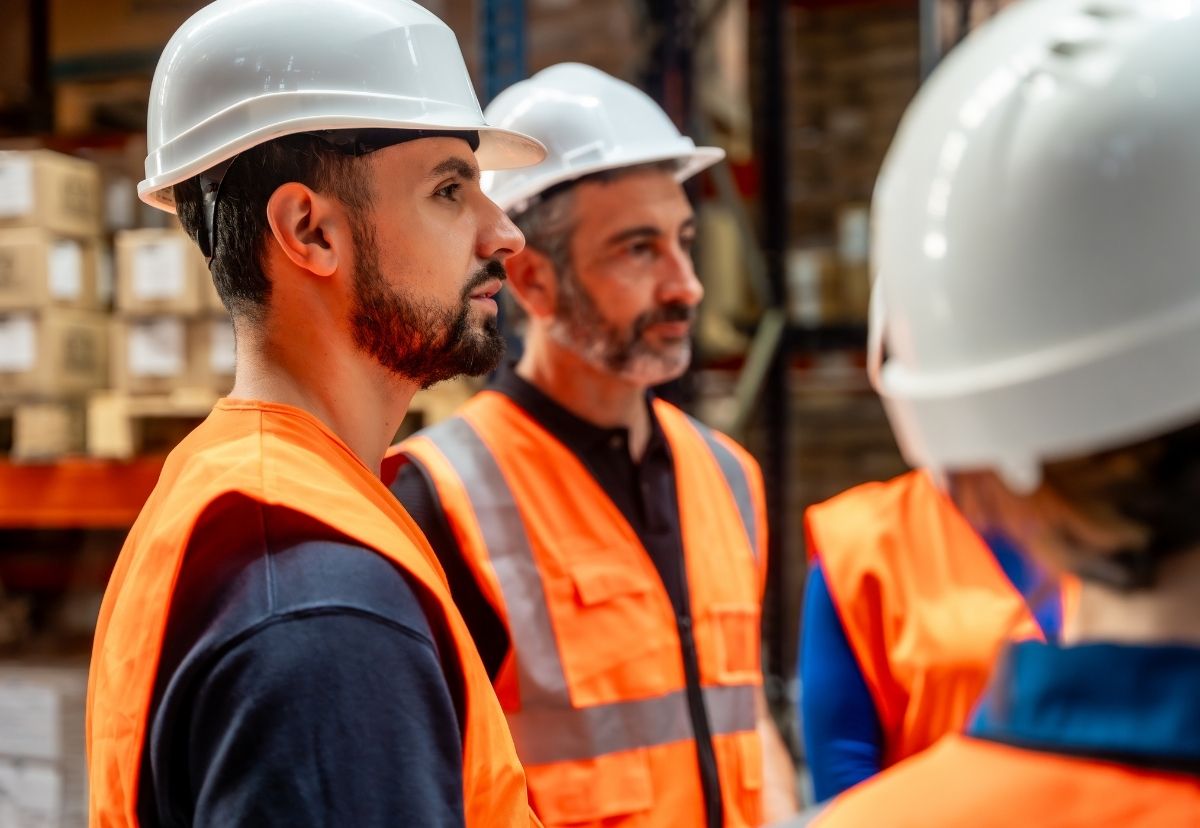
Manufacturing environments rely on powerful machinery to keep production moving efficiently. While these machines are essential to operations, they also present significant hazards when proper safeguards and procedures are not followed. Machine safety is more than a compliance requirement. It is a critical component of protecting employees, reducing downtime, and maintaining operational excellence.

Common Machine Hazards

Manufacturing equipment can expose workers to a variety of hazards, including:

  • Rotating parts and moving components
  • Pinch points and crush zones
  • Flying debris and material ejection
  • Unexpected machine startup
  • Sharp edges and cutting surfaces
  • Electrical hazards

Even experienced employees can be injured when safeguards are removed, procedures are bypassed, or distractions occur during operation.

The Importance of Machine Guarding

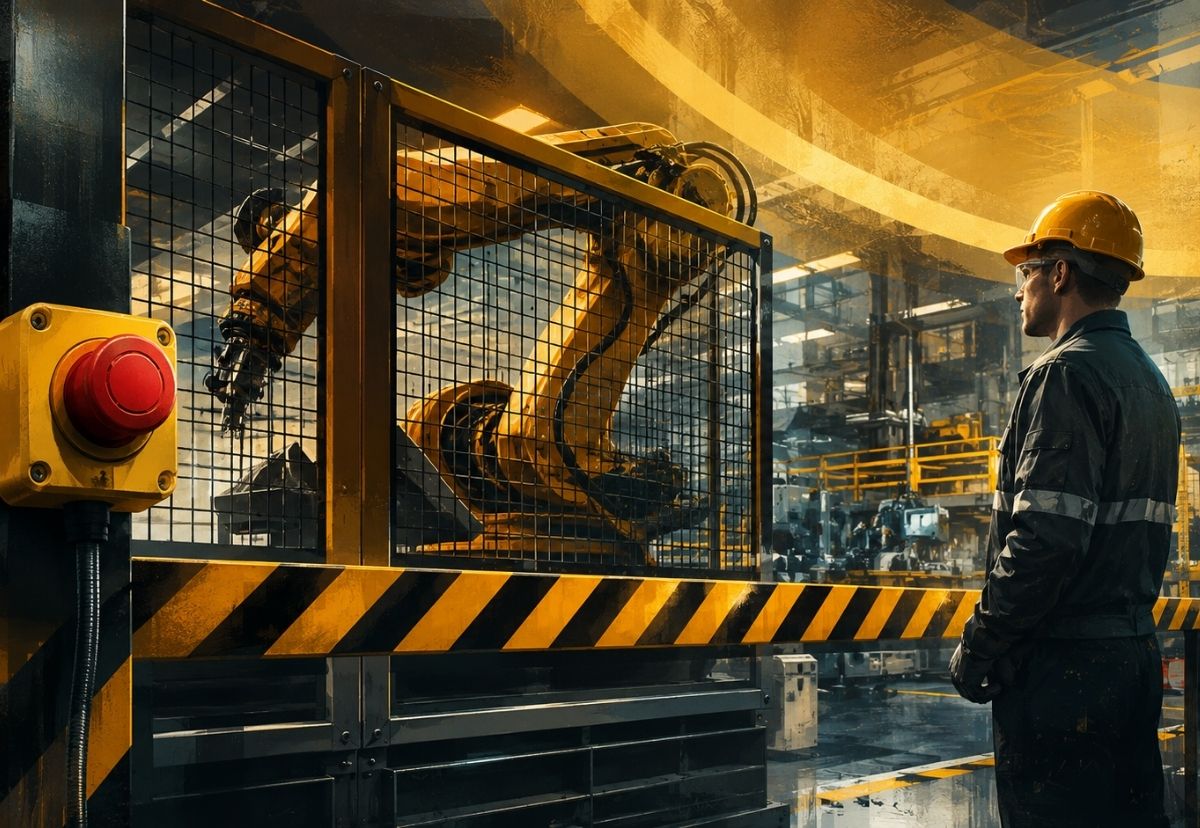
The NIOSH Hierarchy of Controls shows that dangerous equipment can be engineered to isolate operators from the hazard. Machine guards are designed to prevent workers from coming into contact with hazardous moving parts. Guards should never be removed or modified unless equipment has been properly locked out and maintenance activities are being performed.

Effective machine guards should:

  • Prevent access to danger zones
  • Remain securely in place during operation
  • Not create additional hazards
  • Allow employees to perform their work safely and efficiently

Routine inspections should be conducted to verify guards remain intact and functional.

Lockout/Tagout Saves Lives

One of the most critical machine safety practices is Lockout/Tagout (LOTO). Servicing or maintaining machinery without controlling hazardous energy can lead to severe injuries or fatalities.

Before servicing equipment:

  • Shut down the machine properly.
  • Isolate all energy sources.
  • Apply lockout and tagout devices.
  • Verify zero energy before beginning work.

Employees should never rely solely on emergency stop buttons or control switches to protect them during maintenance activities.

Training and Awareness Matter

Machine safety programs are only effective when employees understand the hazards associated with their equipment. Regular training should include:

  • Safe operating procedures
  • Hazard recognition
  • Emergency response actions
  • Proper use of machine guards
  • Lockout/Tagout requirements
  • Reporting damaged or missing safeguards

Creating a culture where employees feel comfortable reporting concerns can prevent incidents before they occur.

Benefits of a Strong Machine Safety Program

Organizations that prioritize machine safety often experience:

  • Fewer workplace injuries
  • Reduced workers’ compensation costs
  • Less equipment downtime
  • Improved employee morale
  • Increased productivity
  • Better overall operational performance

When employees know they are working in a safe environment, they can focus on producing quality work rather than worrying about potential hazards.

Final Thoughts

Machine safety is a shared responsibility that requires commitment from both management and employees. By maintaining effective safeguards, following Lockout/Tagout procedures, conducting regular training, and encouraging proactive hazard reporting, manufacturers can significantly reduce risk and create a safer workplace for everyone.

A safe machine is a productive machine, and a protected workforce is the foundation of every successful manufacturing operation.

In June of 1996, the National Safety Council (NSC) announced the first National Safety Month. Thirty years later, the annual June observance continues to promote workplace safety to employers and employees in high-risk industries, including manufacturing.

This year, the first week of National Safety Month focuses on moving safety forward by advancing a culture of safety with forward-thinking strategies and tools.

This blog will focus on some of the strategies and tools that FlexTrades uses year-round to promote safety in the workplace for our employees.

Proactive Approach

Our Risk & Safety Team is involved with every project before we have any boots on the ground. Before sending one of our employees into what could be a dangerous environment, it is important to understand the risks a project presents and ensure that each potential job site is proactively addressing those risks to keep people safe.

Some of the first documents we request from a potential client are their OSHA logs and safety records. The Risk & Safety Team reviews those documents to understand the site history and ensure safety compliance.

Sometimes, we will find a gap in a potential client’s safety approach or documentation. Whenever that happens, we work to resolve those gaps. Worst case, we may decline a project if we do not feel those gaps can be properly filled or if there is unnecessary risk to a FlexTrades employee. But normally, safety concerns are addressed and we can confidently move forward.

Early in the relationship, our Risk & Safety Team builds a relationship with the client safety point of contact so there is a direct line of communication from the start.

Communicating Safety

Safety is everyone’s responsibility, and it is important to regularly communicate safety topics to keep them top of mind. At FlexTrades, we produce content that helps maintain safety awareness across the industry. That includes anything from blogs like this to social media posts that promote content from organizations like the National Safety Council (NSC) or Occupational Safety and Health Administration (OSHA).

It is equally important to consistently and clearly communicate safety information to our technicians. Leading up to a deployment, our technicians receive all the details about the project they will be starting. This includes their travel arrangements and details about their position, but it also includes Safety First Reminders.

Safety First Reminders include the basics, like what PPE a technician is required to bring versus what will be provided on site. The reminders also include position-specific information. For instance, a welder’s Safety First Reminders will include reminders about ventilation, inspecting equipment, protective barriers, and fire safety.

Reporting Unsafe Conditions

Unfortunately, this is not a perfect world. Bad things can happen despite proactive efforts to prevent them, and we always want to be aware of any unsafe activity so we can address it and learn how to prevent it.

With that in mind, we created an Employee Safety Hotline. This is a phone number provided to all employees where they can anonymously report anything that is unsafe on a job site.

What can be reported?

  • Unsafe working conditions
  • Accidents, injuries, or near misses
  • Harassment, bullying, or workplace violence
  • Any concerns affecting safety or well-being

For some people, it can be hard to speak up about these topics, especially if it involves a coworker or leader. With this anonymous hotline, we hope to enable all our employees to comfortably report any unsafe activities.

Recognizing Safe Practices

It is also important to celebrate safe outcomes and recognize the people who go above and beyond to contribute to them. Our SpotSafe Program empowers our Operations Engagement Managers (OEMs) to quickly recognize technicians for safe, proactive behavior. It also provides additional incentives for everyone to find ways to maintain the highest safety standards.

Why should this be important to everyone?

  • Safer, more efficient projects with reduced risk and downtime
  • Hazards are identified and corrected in real time
  • A strong safety culture is promoted on projects
  • Technicians are motivated to perform at their best

There are three categories for recognition in the SpotSafe Program.

The first category for recognition is “Hazard Hero.” This recognizes employees for reporting and/or correcting hazards or near misses. A hazard or near miss may not cause an injury the first time or even the hundredth time, but it represents a gap that can be filled to keep everyone safe.

The second category for recognition is “Safe Start.” This recognizes employees for consistently following PPE requirements on site. PPE requirements are based on lessons learned in blood and tears, and they are the last line of defense in the Hierarchy of Controls.

The third category is “Lead by Example.” This recognizes employees for coaching peers, mentoring, or leading safety initiatives. Leadership is not just top-down. Someone who takes safety to heart and encourages those around them to do the same is extremely valuable.

Winners receive a certificate announcing which category they were nominated for. They also earn raffle entries for monthly and annual awards that include prizes and company-wide recognition.

Conclusion

National Safety Month serves as an important reminder that safety is never a one-time conversation or a box to check. In manufacturing and skilled trades, maintaining a strong culture of safety requires consistent communication, proactive planning, accountability, and recognition of the people who make safety a priority every day.

At FlexTrades, safety is built into every stage of the process. From evaluating projects before they begin, to preparing technicians for the environments they will enter, to creating open channels for reporting concerns and recognizing employees who lead by example, these efforts are all part of our commitment to protecting our people and helping create safer, more productive job sites for everyone involved.

As we recognize National Safety Month this June, we encourage everyone across the industry to continue moving safety forward by staying proactive, speaking up, and supporting one another both on and off the job site.

In manufacturing, productivity matters. Quality matters. Deadlines matter. But none of those priorities should ever come at the expense of worker safety.

For manufacturers relying on flexible labor strategies, safety training is one of the most important factors in building a productive and dependable workforce. Whether workers are supporting a shutdown, filling a skilled labor gap, or helping scale production, every technician who enters your facility should be equipped to perform safely from day one.

That is why safety training is not simply a compliance checkbox for workforce solutions providers. It is a critical business function that protects people, supports operational continuity, and strengthens partnerships across the manufacturing industry.

Safety Is a Shared Responsibility

When manufacturers partner with workforce solutions companies, safety ownership should never be unclear.

The host employer understands the facility, equipment, processes, and site-specific risks. The workforce partner is responsible for preparing technicians, reinforcing safe behaviors, and ensuring workers understand expectations before stepping onto the floor.

The strongest outcomes happen when both sides treat safety as a shared responsibility.

When that collaboration exists, manufacturers gain workers who are better prepared, technicians gain confidence in their environment, and everyone benefits from a stronger safety culture.

Why Manufacturing Environments Require More Than Basic Orientation

Manufacturing settings are dynamic. Even highly skilled trades professionals may be entering a new plant layout, operating around unfamiliar machinery, or adapting to different lockout and tagout procedures, PPE requirements, traffic flow, or reporting structures.

Without clear training and communication, avoidable risks increase.

That is especially true in industries where downtime is costly and production schedules move quickly. Rushing workers into a facility without proper preparation can create setbacks that far outweigh the time saved.

Effective safety training helps close that gap by ensuring technicians understand not only how to perform the work, but how to perform it safely within that specific environment.

What Manufacturers Should Expect from a Workforce Partner

Not all staffing companies and workforce solutions providers approach safety the same way. Manufacturers should expect more than candidate placement alone.

A strong partner should bring a proactive safety mindset that includes:

  • Pre-assignment training on common workplace hazards
  • PPE expectations and safe work practices
  • Clear injury and incident reporting procedures
  • Ongoing communication with placed technicians
  • Documentation of training completion
  • Collaboration on site-specific orientation needs
  • Follow-up support throughout the assignment

When these systems are in place, manufacturers reduce onboarding friction while improving readiness and accountability.

Why Safety Training Matters to Skilled Trades Technicians

Top tradespeople want to work where safety is taken seriously.

Electricians, welders, machinists, programmers, maintenance technicians, pipefitters, engineers, and other skilled professionals know that safety standards often reflect broader operational standards. Clean processes, clear expectations, organized leadership, and strong communication usually accompany safer worksites.

That means a company’s commitment to safety can directly impact its ability to attract and retain quality talent.

Technicians are more likely to return to assignments where they feel respected, protected, and properly prepared.

The Business Impact of Strong Safety Programs

Safety training is often discussed through the lens of compliance, but its business value reaches much further.

Strong safety programs can help manufacturers and workforce partners improve:

  • Productivity through fewer disruptions
  • Attendance and reliability
  • Worker confidence and morale
  • Client vendor trust
  • Reduced injury-related costs
  • Reputation in a competitive labor market

In short, safer environments often become stronger-performing environments.

Building a Better Workforce Partnership

Manufacturing leaders should view safety conversations as an essential part of selecting any workforce solutions provider.

Ask questions such as:

  • How are workers trained before arriving onsite?
  • How do you communicate safety expectations?
  • What is your incident response process?
  • How do you partner with clients on site-specific risks?
  • How do you reinforce safety during assignments?

The answers can reveal whether a provider is simply filling openings or actively helping protect your operation.

Every Worker Home Safe

At FlexTrades, we believe workforce solutions should create confidence, not added risk. That starts with placing skilled tradespeople who are prepared to contribute safely, professionally, and productively.

Because no production goal, project milestone, or staffing shortage is more important than the people doing the work.

Every worker should go home safe. Every single day.

For manufacturers, PPE compliance is not just about avoiding citations. It is about operational stability.

Safety Is a Shared Responsibility

When you partner with a workforce solutions company or staffing firm, you do not outsource safety. OSHA makes that clear. The host employer is responsible for identifying workplace hazards and communicating site-specific PPE requirements. The staffing firm is responsible for ensuring workers are properly trained and prepared. Understanding this division of responsibility is critical because alignment upfront prevents confusion once work begins.

Clear Expectations Reduce Risk and Cost

Inconsistent PPE policies create gray areas. Gray areas create injuries. Injuries create downtime, claims, and potential liability. Clarity is essential to maintaining a safe and productive partnership.

Clear, documented PPE requirements:

  • Reduce recordable incidents
  • Limit workers’ compensation exposure
  • Help protect your Experience Modification Rate (EMR)
  • Strengthen audit readiness

Strong Safety Partnerships Drive Productivity

The safest facilities are often the most efficient. When expectations are clear and consistently enforced, work moves faster because people trust the systems around them.

Job-ready on day one is not just about skill. It is about being properly equipped.

Why PPE Matters to Skilled Trades Professionals

For technicians, especially those entering a new facility, PPE provides immediate protection in an unfamiliar environment.

Contract and temporary workers can face higher risk because they are:

  • New to the site
  • Less familiar with specific hazards
  • Operating within compressed onboarding timelines

Proper PPE:

  • Reduces exposure during that critical first shift
  • Reinforces that safety is a priority
  • Encourages awareness and proactive hazard reporting

When a technician sees that both their employer and the host facility take PPE seriously, it builds trust. Trust leads to stronger performance.

The Most Overlooked Factor: Communication

From a safety professional’s perspective, most PPE failures do not happen because someone lacks safety glasses. They happen because expectations were not aligned from the beginning.

Successful PPE programs depend on three things:

  • Clear Hazard Identification: Clients must define site-specific risks before a technician arrives.
  • Pre-Assignment Communication: Staffing partners need detailed PPE requirements in advance, beyond “steel-toe boots required.”
  • Consistent Enforcement Onsite: If rules are not consistently enforced, compliance erodes quickly.

When these three elements align, PPE functions as intended.

PPE Is Culture, Not Just Equipment

Anyone can purchase gloves or face shields. Not every organization builds a culture where they are consistently worn and respected.

A strong PPE culture includes:

  • Supervisors modeling compliance
  • Immediate correction of unsafe behavior
  • Open reporting of hazards
  • Continuous review of changing job risks

It also requires partnership.

Workforce partners rely on clients to provide accurate hazard assessments and enforce site rules. Clients rely on staffing firms to prepare skilled trades professionals before arrival and reinforce expectations throughout the assignment. When both sides communicate openly and act quickly on concerns, everyone benefits.

The Bottom Line

PPE works best when it is treated as essential, not optional.

It protects technicians stepping into new environments. It protects manufacturers from costly incidents and compliance gaps. It protects partnerships built on trust.

Manufacturing is demanding. Skilled trades work is hands-on, high-impact, and often high-risk. The right PPE, clearly communicated and consistently enforced, is one of the simplest and most effective ways to protect the people who keep production moving.

Safety is not just a staffing issue. It is not just a client issue. It is a shared responsibility.

And when PPE is done right together, everyone benefits.

As cliché as it may sound, FlexTrades really does believe in “Safety First.” When safety is top of mind and safety protocols are followed, not only are the risks of worksite injuries reduced, but we also see an increase in quality, productivity, and employee morale.

Year over year, the manufacturing industry sees three common (and very preventable) causes of workplace injuries. These causes include:

  • Bodily contact with moving equipment (think hand injuries)
  • Slips, trips, and falls
  • Overexertion

So, what can manufacturers and manufacturing employees do to prevent these causes of injuries?

  • Have a “Safety First” mindset
  • Practice “Line of Fire Awareness”
  • Don’t be afraid to “Stop and Ask”
  • Conduct frequent safety trainings
  • Conduct audits
  • Be open to feedback

If manufacturing employees start their days with a Safety First Mindset, everything else falls into line.

Safety First Mindsets prompt employees and manufacturers to naturally practice “Line of Fire Awareness,” in which everyone starts each assigned task by being observant of their surroundings and potential hazardous objects or actions.

And with everyone practicing Line of Fire Awareness, employees won’t be afraid to stop when they see something potentially dangerous; rather, they’ll feel encouraged to ask someone for assistance.

When a culture is created in which everyone knows safety is first and foremost and open communication is welcomed, conducting safety training and safety audits become positives. And when positives occur frequently in a workplace, morale increases, and any feedback becomes positive feedback.

With all of this in mind, it’s easy to see that, if you want a project (or a workday) to finish safely, safety is where it has to start.

If you would like to learn more about how FlexTrades prioritizes safety, click here to contact our team, and we will get back to you shortly. 

When it comes to manufacturing, the well-being of employees and the integrity of operations go hand in hand. That’s why safety isn’t just a priority at FlexTrades, it’s at the core of everything we do. Our technicians, deployed across various job sites, are trained to think safety first and bring this mindset to every task they take on.

In fast-paced, high-risk environments such as manufacturing floors, safety concerns can arise at any moment. Whether it’s from machinery, hazardous materials, or operational processes, staying ahead of potential risks is crucial. FlexTrades recognizes that the health and safety of workers should never be compromised, and we’re proud to provide technicians who are fully equipped to identify, address, and mitigate safety concerns on the spot.

The FlexTrades Safety Culture: A Mindset, Not Just a Policy

At FlexTrades, safety is part of our culture. It’s ingrained in our training programs, from the moment technicians join our team to the moment they step onto a manufacturing floor. Our safety-first mentality empowers our technicians to act as proactive agents who help keep operations running smoothly and safely.

FlexTrades technicians are trained to identify hazards, from minor issues to major concerns, and take swift action to resolve them. When our professionals are deployed, they aren’t just following orders, they’re applying their extensive training to mitigate risks, improve safety standards, and ensure compliance with regulations.

Why Safety Matters on the Manufacturing Floor

Manufacturing environments are dynamic and can present unexpected challenges. High-stakes operations, complex machinery, and tight production schedules can lead to dangerous situations. But when safety protocols are followed and the right mindset is applied, those risks can be effectively minimized.

FlexTrades’ technicians play a vital role in creating a safer workplace for everyone. From proper tool handling to wearing appropriate personal protective equipment (PPE), our team members are well-prepared to make sure every safety precaution is followed to the letter. The result? Fewer accidents, more consistent production, and a thriving workforce.

A Focus on Compliance and Safety Standards

Compliance with industry safety standards and regulations is a must for any manufacturing facility. FlexTrades’ technicians don’t just know the rules, they live by them. We ensure that our team is well-versed in all applicable safety standards, including OSHA regulations, industry-specific guidelines, and workplace best practices.

Our team is trained to conduct safety audits, identify gaps in compliance, and suggest improvements to safety protocols. When you have a FlexTrades technician on your team, you have an advocate for safety compliance who works tirelessly to maintain a safe environment for your workers.

The FlexTrades Difference: Keeping Workers Safe and Productive

Safety isn’t just about reducing accidents, it’s also about keeping workers productive and focused. By alleviating safety concerns, our technicians help maintain a smooth workflow, boost morale, and ensure that operations stay on track. After all, a safe employee is a productive employee.

At FlexTrades, we believe that safety isn’t an add-on. It’s integrated into every step of our technicians’ daily responsibilities. From the training we provide to the actions our technicians take on the floor, safety is always top of mind.

Safety You Can Trust, Professionals Who Care

When you bring FlexTrades technicians onto your manufacturing floor, you’re not just getting highly skilled professionals, you’re also getting safety advocates who will prioritize your team’s well-being every step of the way. We pride ourselves on instilling a safety-first mindset that not only meets but exceeds industry standards, ensuring that your facility remains compliant, safe, and productive.

If you’re ready to enhance safety at your facility and ensure a smooth, efficient workflow, reach out to FlexTrades today. Our skilled, safety-conscious technicians are prepared to make an immediate impact.

Contact us now to find out how FlexTrades can support your manufacturing team with expert, safety-first technicians. Don’t let safety concerns slow down your production. Partner with us and make safety a priority at your facility today! 

Recently, FlexTrades was recognized with a ‘Risk Control Award of Merit.’ Companies receiving this recognition account for only the top 25% of all businesses considered. Grading was applied for critical statistics such as loss frequency, and loss severity, in addition to proactive measures taken by participants to reduce risks within facilities and maintain the safety of all employees.

FlexTrades is honored by this recognition and proud of the way it reflects on how our company constantly champions a safety-first culture in manufacturing. This unwavering commitment is integral to our efforts to move the line in American manufacturing while being amazing partners for our employees and clients every day.

“I’m incredibly proud of our team for receiving this recognition and continuing to move the line by providing as safe of a workplace as possible for our technicians. This could not have been achieved without the efforts of all of our different operational teams, led by our safety team, to establish best practices for screening, training, communicating and managing safety risks and expectations,” said Amy Grussing, FlexTrades’ CEO. “I hope this award helps demonstrates to our clients, prospective clients and the industry at large our commitment to bringing the highest level of safety to their work sites and our partnerships.” 

With warmer weather finally arriving, chances are you’ve been opening windows to let in that long-awaited fresh air. But spring isn’t just about renewal — it’s also a great time to talk about window safety.

Window Safety Week, observed during the first full week of April, is a reminder of the simple, proactive steps families can take to prevent accidental falls and keep loved ones safe.

Why It Matters

Falls from windows are more common than you think. According to a report by SafeKids Worldwide:

  • An average of eight children under five die each year from window falls
  • More than 3,300 children are injured annually

These incidents are tragic — and preventable. That’s why we’re joining the Window Safety Taskforce and the National Safety Council in encouraging families to take action.

Window Safety Tips

Follow these simple tips to help protect the ones you love:

  • Close and lock windows when small children are present
  • Open windows above child reach height when ventilating
  • Supervise children and keep play away from windows, balconies, and patio doors
  • Avoid placing furniture near windows — kids love to climb
  • Don’t allow jumping on beds or couches, especially near windows
  • Don’t rely on insect screens — they keep bugs out, not kids in

Windows rank among the top five hidden hazards in the home. With a few mindful changes, you can greatly reduce the risk of injury — not just during the spring, but year-round.

Please share these tips with friends, neighbors, and family. One conversation could save a life.

Happy Spring!

Want more tips to protect your home and workplace?

Check out our post on National Drug and Alcohol Facts Week

Mr. Yuk might not be on every household bottle anymore, but his message still matters.

Created by Dr. Richard Moriarty, founder of the Pittsburgh Poison Center and the National Poison Center Network, the green-faced Mr. Yuk stickers were developed in the 1970s and 80s to help parents warn children away from dangerous household substances. Moriarty believed the traditional skull and crossbones was outdated — even appealing — to kids. Mr. Yuk, on the other hand, was meant to scare. And if it did? It worked.

Today, we might not see Mr. Yuk’s face as often, but the risk is still very real. So is the need to teach, not just warn, when it comes to preventing poison-related accidents.

Child Poisoning Facts

  • 800,000 children are rushed to emergency rooms each year due to accidental poisoning.
  • Around 30 children die annually from those incidents, according to the Consumer Product Safety Commission.
  • Nearly 70% of non-fatal poisonings involve toddlers ages 1 to 2.
  • 24 million people call poison control centers each year. While most cases aren’t serious, that number highlights how common these accidents are.

Tips to Prevent Poisonings

Whether you’re a parent, caregiver, or just someone with little ones around occasionally, these steps can help reduce risk:

  • Choose products with child-resistant packaging — but don’t rely on them completely. Children can and do learn to open them.
  • Keep all medicines, cleaning products, and chemicals out of sight and locked away. If a cabinet isn’t locked, assume it’s not safe.
  • Don’t leave dangerous items unattended, even for a second. Take them with you if you need to step away.
  • Always store products in their original containers. Don’t pour cleaners or medications into other bottles or cups.
  • Install carbon monoxide (CO) alarms in your home.
  • Never take medicine in the dark, when label-reading is impossible.
  • When taking multiple medications, read labels closely to prevent dangerous interactions or overdoses.

And most importantly — talk to your kids. Teach them what’s off-limits and why. Explain what poison is and how it harms. Prevention starts with information.

Poison Help Hotline: 1-800-222-1222

Post it. Save it. Share it.