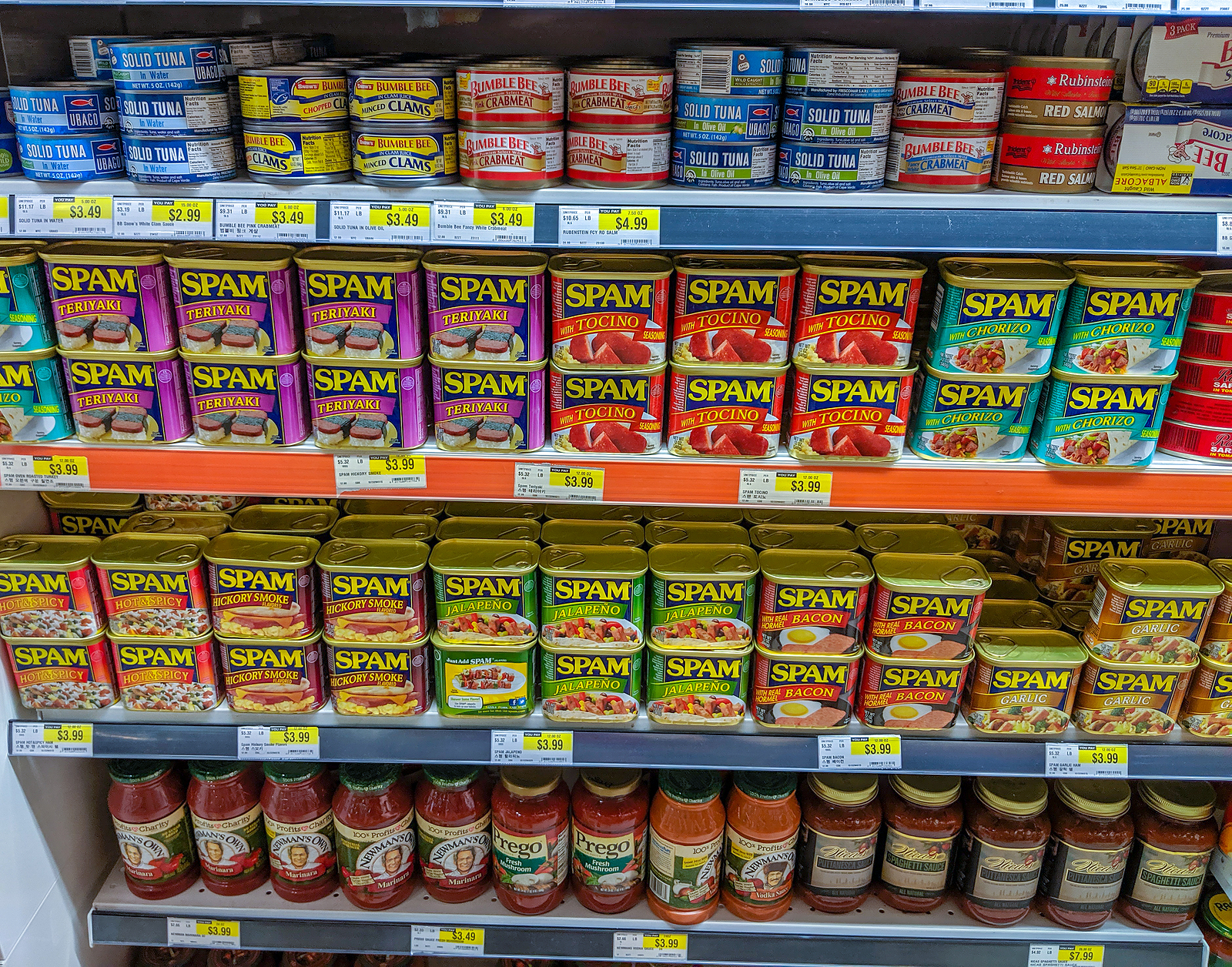
March is a big month for meat lovers. In the UK, it’s SPAM® Appreciation Week. In the U.S., we celebrate National Deli Meat Month — and what better way to join the fun than by demystifying one of the most iconic canned meats ever made?

In this edition of How It’s Made, we’re taking a closer look at SPAM® — what it is, how it’s made, and why it’s still flying off shelves after more than 85 years.

SPAM® Facts You Might Not Know

  • SPAM® is produced by Hormel Foods, which has sold over 8 billion cans since 1937 — in 44 countries.
  • The name came from a naming contest. The winner received $100. No one truly knows if it stands for “spiced ham,” “shoulder of pork and ham,” or something else.
  • Originally popular with U.S. troops during WWII, SPAM® was used to lubricate guns and grease boots, not just for meals.
  • Today, three cans are sold every second worldwide.
  • SPAM® is found in one out of three American households.
  • Guam and Hawaii are among the biggest consumers per capita — in Guam, the average person eats 16 cans per year.
  • In South Korea, SPAM® is often considered a luxury gift.
  • McDonald’s in Guam serves it on the menu.

And for us Minnesotans? SPAM® is a point of pride — Hormel was founded right here in 1891.

How SPAM® Is Made

SPAM® was born when Jay Hormel saw a butcher slicing canned meat at a deli and thought: “What if consumers could skip the butcher and slice it themselves at home?” The result was a shelf-stable, high-protein product that didn’t require refrigeration — a game-changer for American kitchens.

The Ingredients (Yes, Only Six)

  • Ground pork mixed with ground ham
  • Salt
  • Water
  • Sugar
  • Sodium nitrite
  • Potato starch (added in 2009)

Most of the pork used is pork shoulder — a cut that was once hard to process for other purposes. Sodium nitrite acts as a preservative, preventing bacterial growth and creating SPAM’s signature pink hue. Potato starch, added decades later, helps bind the meat and retain moisture while cooking.

Manufacturing Process

Creating SPAM® might be simple on paper — but the process is a high-volume, precision operation:

  • Hand carve and grind the meat in 8,000-pound batches at controlled temperatures (approx. 20 minutes).
  • Use a vacuum mixing machine to super cool the meat.
  • Add remaining ingredients and blend.
  • Funnel the mixture into cans, vacuum seal, and apply labels.
  • Cook the cans using hydrostatic cookers (steam + pressure) — up to 33,000 cans per hour!
  • Package and palletize for global shipment.

Six ingredients. Six steps. No mystery.

Give It a Try

Never tried SPAM®? As a proud Minnesotan, I think you should.

Grab a can at your local store and give it a go. Fry it, bake it, or turn it into SPAM sushi (yes, it’s a thing). Pair it with cheese (and check out this article on how cheese is made) for the full experience.

Happy Eating — and Happy National Deli Meat Month! 
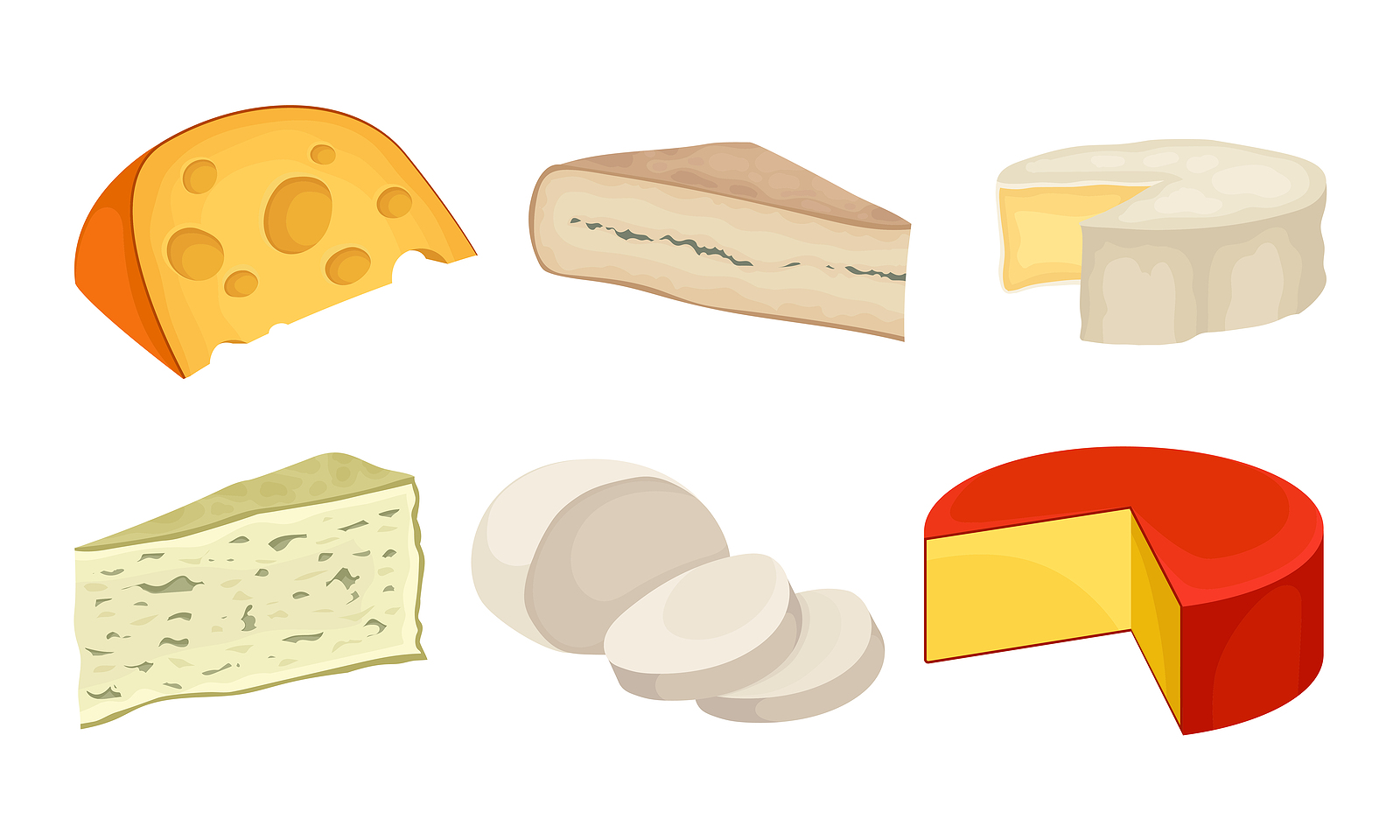
Today is National Cheese Lover’s Day, so naturally, we’re turning our attention to one of the most beloved foods on the planet — cheese.

In this edition of How It’s Made, we break down the process behind your favorite wedge, block, or slice.

What’s in Cheese?

Cheese is made from just four basic ingredients:

  • Milk
  • Salt
  • Starter Culture
  • Rennet

Together — and through the magic of food science — these ingredients can become hundreds of different varieties, each with their own unique flavor, texture, and personality.

How Cheese Is Made

It all starts with fresh, high-quality milk. Milk is stored in refrigerated tanks at the farm, then transported to a processing facility where it’s tested, weighed, heat-treated, and pasteurized.

Sometimes, additional fat, cream, or protein is added to the milk depending on the desired cheese type.

Next, starter cultures — also known as good bacteria — are added. These cultures begin the fermentation process by converting lactose into lactic acid. This step eliminates harmful bacteria and starts to define the texture and flavor of the cheese. (Different cultures = different cheeses.)

At this point, natural colorings may be added. (Think: the orange hue of Cheddar.)

After that comes rennet, a milk-clotting enzyme that coagulates the mixture into a custard- or gel-like consistency. From here, processors carefully manage temperature, timing, and humidity, which transforms the mixture into curds (solids) and whey (liquids).

A cutting step determines curd size — smaller curds lead to drier cheese. When stirred and heated, curds release whey until the desired consistency is reached.

Then, one of two things happens:

  • The curd is salted and pressed into a form (like Cheddar or Colby).
  • The curd is pressed into a hoop and brined (like Mozzarella or Swiss).

The final step in some cases is affinage — the aging process. Cheese is stored in special rooms under precise conditions, sometimes for 10 years or more, to develop its final flavor and texture.

Sounds Simple, Right?

Not quite. While the ingredients are minimal, the equipment, process, and scientific precision required to make cheese correctly are anything but basic. It’s an impressive mix of art, chemistry, and control.

And of course, don’t forget to celebrate National Cheese Lover’s Day with your favorite variety — soft, hard, aged, fresh, or somewhere in between. 

I’m sure you’re well aware of the tiny but iconic lollipops called Dum Dums. You might even have a favorite flavor — maybe even the elusive “Mystery Flavor”. But what exactly is it? Let’s break it down in this edition of How It’s Made.

How Is Candy Made?

Candy-making starts with two basic ingredients: sugar and water. From there, the type of candy determines additional ingredients — brown sugar, corn syrup, fats, acids, and flavorings all come into play.

Once mixed, the base is heated — sometimes up to 350 degrees Fahrenheit. Hard candies are heated at higher temperatures, while soft candies require less heat. After that, the mixture moves through a series of automated processes: molding, cooling, wrapping, and packaging.

These processes often use the same types of machinery found in hygiene product manufacturing.

In short: mix, heat, form, cool, and package. But that still doesn’t answer the big question…

Where Does the “Mystery Flavor” Come From?

The “Mystery Flavor” is actually the overlap between two batches of candy flavors.

To save time and reduce costly production downtime, manufacturers like Dum Dums avoid stopping the production line between flavor changes. Instead, they allow the end of one batch (say, strawberry) to blend into the beginning of the next (vanilla). That mix — strawberry-vanilla — becomes the Mystery Flavor.

There are so few candies made during that transition that it doesn’t make sense to give them a custom wrapper or name. Instead, they’re bundled under the mystery label. This keeps costs low and production high while offering a little extra fun for the consumer.

Now, consider this: Dum Dums currently offer 16 standard flavors. That means there are 256 possible combinations of two-flavor overlaps. So the next time you unwrap a Mystery Flavor, try to guess the mix — but don’t be surprised if it keeps you guessing. 

Welcome to another installment of How It’s Made with FlexTrades, where we break down complex manufacturing processes in clear, digestible ways. In this edition, we’re answering a timely and important question:

How are vaccines made?

Let’s start with the basics.

What Is a Vaccine and How Does It Work?

At its core, a vaccine contains a version of the virus or bacteria it’s designed to protect against. This might sound counterintuitive, but it’s all about training your immune system to respond.

Here’s how:

  • Inactivated or killed vaccines: These vaccines contain a virus that has been fully inactivated (killed), such as in the polio or rabies vaccines.
  • Live attenuated vaccines: These contain a weakened version of the virus that’s strong enough to stimulate the immune system but not strong enough to make you sick. Examples include chickenpox, measles, and hepatitis B.

In both types, the goal is the same: introduce an antigen that prompts your immune system to produce antibodies—specialized proteins designed to recognize and neutralize threats. That way, if you’re ever exposed to the real virus, your body already knows how to fight it.

Step-by-Step: How Are Vaccines Made?

Making a vaccine is a highly controlled, multi-phase process that starts with science and ends with life-saving solutions in a syringe.

Step 1: Grow the Virus or Bacteria

Vaccines begin in the lab where scientists grow large quantities of the virus or bacteria.

  • Viruses are typically grown in cell cultures (often derived from chicken embryos).
  • Bacteria are grown in bioreactors, large tanks filled with nutrient-rich growth mediums like amino acids, carbohydrates, minerals, and proteins.

The goal in this stage is replication—producing enough of the virus or bacteria to create a strong immune response.

Step 2: Harvest and Isolate the Antigen

Once replication is complete, the next step is to extract the antigen (the part that triggers the immune system).

  • Scientists release the antigen from the cell or growth medium.
  • Then, they purify it using methods like chromatography or ultra-filtration to remove impurities and isolate only what’s needed.

Step 3: Formulate the Vaccine

Next, the purified antigen is mixed with additional ingredients to form the vaccine:

  • Adjuvants: Help boost the immune response.
  • Stabilizers: Maintain shelf life and preserve potency.
  • Preservatives: Allow multi-dose use and prevent contamination.

All of these components are blended in large vessels under strict quality control.

Step 4: Fill and Finish

Once the formula is ready:

  • The vaccine is dispensed into vials or prefilled syringes.
  • Each is sealed with sterile closures, labeled, and sometimes freeze-dried for long-term storage.

This is the version you eventually see at clinics, pharmacies, and hospitals.

More Than Manufacturing: The Bigger Picture

While the physical creation of a vaccine is highly technical, it’s only one part of a long process. From initial discovery to regulatory approval, vaccine development can take 15 to 20 years and includes:

  • Laboratory research
  • Pre-clinical studies
  • Multiple phases of clinical trials
  • Rigorous reviews by agencies like the FDA

Want to dive deeper into that process? Here’s a breakdown of the testing and regulation steps required before a vaccine ever hits the market. 

At FlexTrades, we deliver workforce solutions to American manufacturers. That means solving complex problems, answering tough questions, and helping our clients and technicians understand the tools of the trade. One question that comes up more often than you’d think:

What’s the difference between a VTL and a VBM?

Let’s break it down.

VTL vs. VBM: A Simple Answer to a Confusing Question

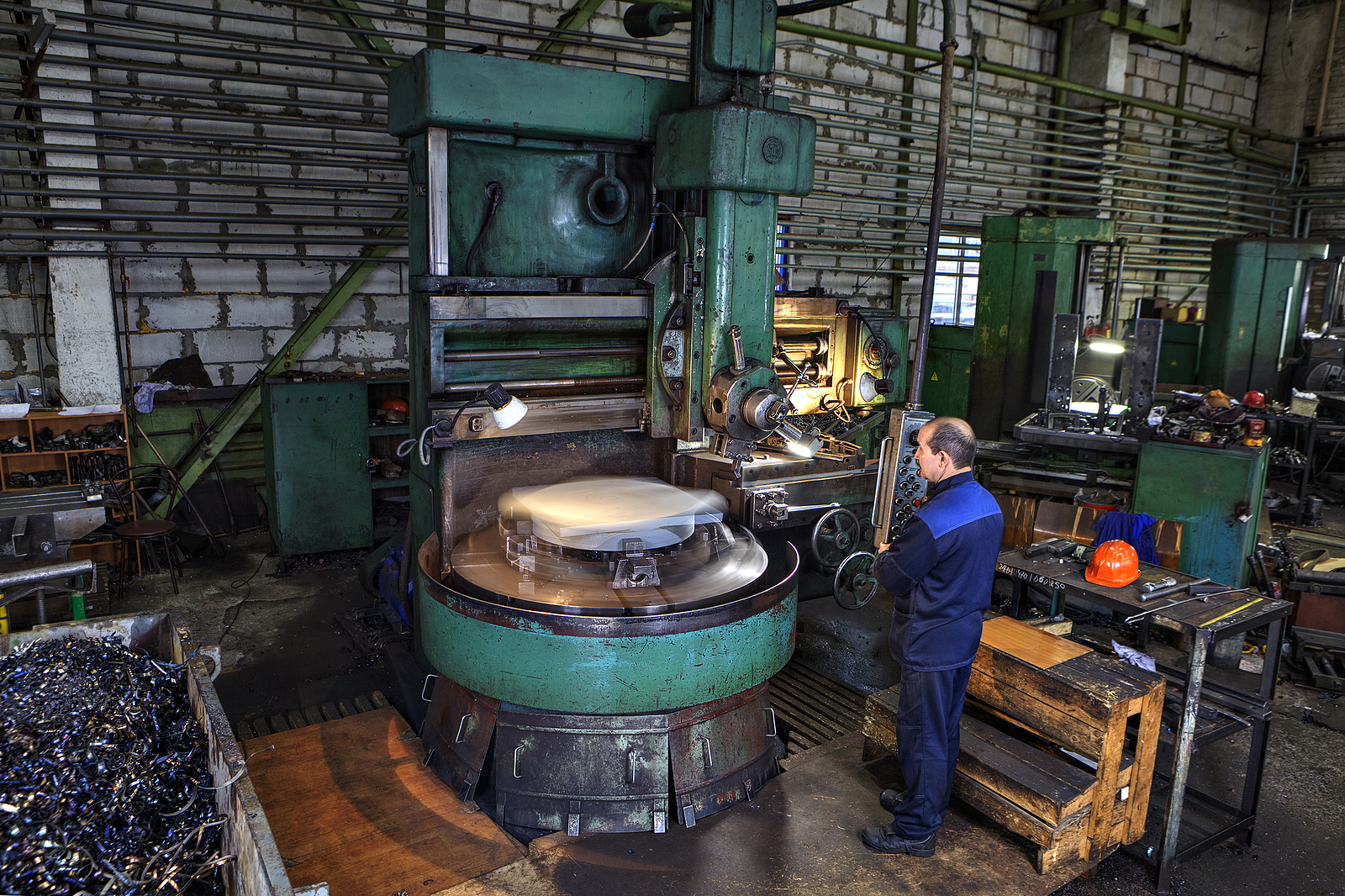
Both Vertical Turret Lathes (VTLs) and Vertical Boring Mills (VBMs) are large-scale machining tools used to shape metal, typically for aerospace, energy, and industrial components. And yes, they’re very similar. In fact, so similar that they’re often confused for one another.

Here’s the key difference:

A VTL is essentially a VBM… but with a turret.

That turret adds a layer of versatility and automation that the traditional VBM doesn’t offer.

Why the Confusion?

VBMs have been around longer, but they don’t get talked about as much these days. The term “VTL” is more widely used in modern machine shops, even when the equipment is technically a VBM. And since many VBMs can perform basic turning operations, the lines between the two blur even further.

So while both machines operate on a vertical axis and use similar base designs, it’s the tool turret that sets a VTL apart.

What the Turret Brings to the Table

A VTL’s turret offers key performance advantages:

  • Threading Capabilities: Built-in turret tools can perform internal and external threading without manual changeover.
  • Shorter Setup Times: With tools preloaded in the turret, there’s less downtime between steps.
  • Fewer Tool Changes: Less manual intervention means faster cycle times and more consistent results.

These benefits all add up to one thing—efficiency. More productivity, less downtime, and better ROI for shops running high-volume or complex parts.

Which One Should You Use?

It depends on the job.

  • If you’re machining large, simple parts with minimal tool changes, a VBM may be all you need.
  • If your projects involve complex profiles, threading, or frequent tool changes, a VTL will likely deliver better performance.

The right machine is the one that fits the part, the budget, and the timeline. And the right technician? That’s where FlexTrades comes in.

Looking for Talent or Opportunities?

Whether you’re a manufacturer needing skilled machinists or a technician ready to work on high-end equipment like VTLs and VBMs, FlexTrades can help.

There’s an old debate that always seems to resurface at summer cookouts: what actually makes a sandwich… a sandwich?

According to Merriam-Webster, a sandwich is either:

  • Two or more slices of bread or a split roll having a filling in between
  • One slice of bread covered with food

So here’s the question—does that mean a hot dog is a sandwich? What about a hamburger?

If you ask around, you’ll get more opinions than answers. Some say the type of bread determines it. Others argue it’s all about the filling. And once you introduce plant-based alternatives into the mix, things get even more complicated. Does using a Beyond Meat patty change the status of your sandwich?

Regardless of your stance, summer is in full swing here at FlexTrades HQ, and that means one thing—grill season. Burgers, brats, veggies, even balsamic honey peaches with feta (highly recommended). But lately, we’ve been wondering… how are plant-based burgers actually made?

That brings us to this edition of How It’s Made.

What Goes Into a Plant-Based Burger?

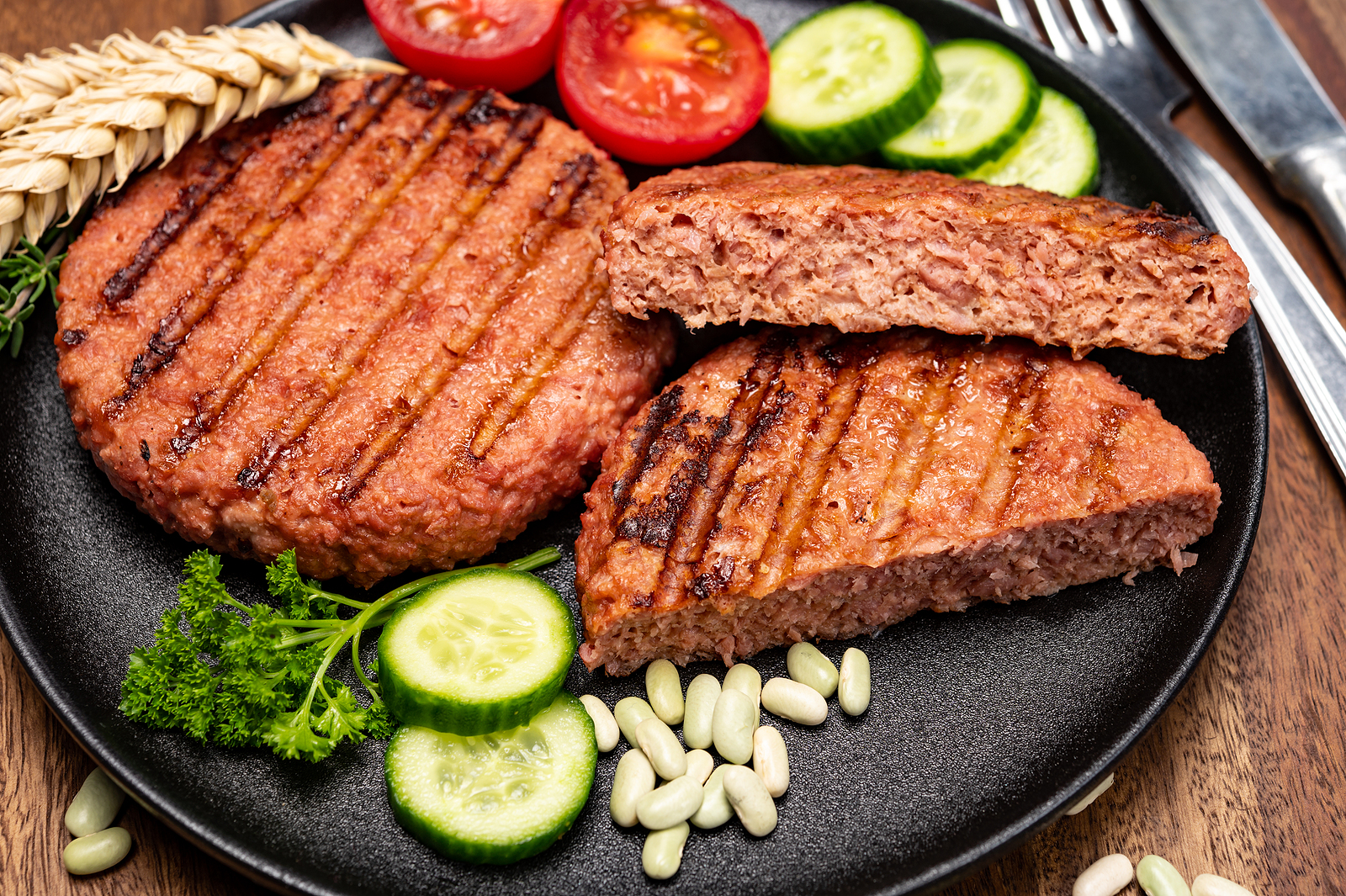
Plant-based meats have come a long way. Products like the Impossible Burger or the Beyond Burger are engineered to look, cook, and even taste like the real thing. But how is that possible?

It all starts with a combination of science, innovation, and some very specific ingredients.

Ingredient 1: Heme

Heme is the magic behind the flavor in animal-based meats. It’s what gives beef that rich, slightly metallic taste when cooked. In animals, heme is found in muscle tissue (myoglobin). In plants, it comes from the roots of legumes like soybeans, where it’s called leghemoglobin.

But growing soybeans just to harvest leghemoglobin is expensive and resource-intensive. So instead, food scientists figured out how to engineer plant-based heme using yeast fermentation. Add yeast, sugar, and minerals. Let it grow. Extract the heme. This engineered version delivers the flavor punch that makes these burgers taste like beef.

Ingredient 2: Compounds

Flavor is more than just taste—it’s smell. And recreating the aroma of beef requires duplicating its unique mix of compounds.

Scientists used a process called Gas Chromatography Mass Spectrometry to break down the compounds found in real beef. Once identified, those compounds can be replicated in the lab and added to plant-based patties to mimic the scent and taste of the real thing.

Ingredient 3: Plant Proteins

Texture matters. That bite and chew of a real burger? It comes from protein.

Using protein analysis, scientists identified the structural characteristics of beef proteins and matched them to plant-based equivalents. Wheat and potato proteins give the firmness and moisture retention needed to create the familiar texture of ground meat.

Ingredient 4: Fat

Coconut oil, stripped of its natural flavor, is used to add richness and juiciness to plant-based burgers. It mimics the melt and mouthfeel of animal fat, especially when cooked.

How Are Plant-Based Burgers Manufactured?

Once the core ingredients are assembled, they go through a precise manufacturing process involving thermal and mechanical stress. Rapid heating and cooling help blend and reshape the proteins and fats. The final product is extruded into burger patties and packaged for distribution.

This is not backyard science. It’s high-tech food production driven by chemistry, precision equipment, and deep knowledge of how people experience taste and texture.

So… Is a Hamburger a Sandwich?

That brings us back to our original question. Is a hamburger a sandwich? What about a plant-based hamburger?

If it walks like a sandwich and grills like a sandwich… you decide.

One thing’s for sure—whether it’s beef or Beyond, grilled patties between buns are part of the American summer tradition. And we’re here for it. 

Cleaners. Sanitizers. Disinfectants.

While cleaning, sanitizing, and disinfecting might seem synonymous, they serve distinct purposes. For this edition of “How It’s Made” with FlexTrades, we’re focusing on sanitizers—specifically, commercial hand sanitizer.

Hand sanitizers have become a staple in our daily routines, especially in recent times. While many have turned to DIY recipes, we’re diving into the commercial manufacturing process that ensures consistency, efficacy, and safety.

Key Ingredients in Hand Sanitizer

The effectiveness of hand sanitizer hinges on its composition.

Active Ingredients:

  • Alcohols: Ethyl Alcohol (Ethanol) or Isopropyl Alcohol are primary antiseptic agents. For efficacy, hand sanitizers should contain an alcohol concentration between 60% and 95%.
  • Benzalkonium Chloride: An alternative antiseptic agent used in some formulations.

Additional Ingredients:

  • Emollients and Gelling Agents: These provide moisturization and contribute to the gel-like consistency.
  • Denaturants: Added to deter ingestion by imparting a bitter taste.
  • Fragrances and Colorants: Enhance user experience with pleasant scents and appearance.

The Manufacturing Process

Producing commercial hand sanitizer involves several meticulous steps to ensure a high-quality product.

1. Compounding

  • Preparation: Raw materials are measured and added into large vessels known as batch tanks or mixers. Depending on the ingredient, this can be done manually or automatically.
  • Mixing: Mechanical agitators within these vessels blend the ingredients under controlled parameters, such as time and speed, to achieve a uniform mixture.

2. Quality Control

  • Sampling: Technicians extract samples from the mixture to verify adherence to specifications, including viscosity and alcohol content.
  • Adjustments: If deviations are detected, formulations are adjusted accordingly to maintain product integrity.

3. Filling, Capping, and Labeling

  • Filling: The blended sanitizer is transferred from holding tanks to filling machines, which dispense precise volumes into individual bottles.
  • Capping: Caps are automatically oriented and secured onto the filled bottles.
  • Labeling: Bottles receive labels through heat-pressed applications or adhesives, often at impressive speeds reaching up to 200 bottles per minute.

4. Packaging and Palletizing

  • Boxing: Finished bottles are systematically placed into boxes.
  • Palletizing: Boxes are stacked onto pallets, ready for storage or shipment to meet consumer demand.

5. Ongoing Quality Assurance

Throughout the entire production line, continuous quality checks are conducted—from initial raw material assessment to final product inspection—to ensure safety and efficacy.

Final Thoughts

The production of hand sanitizer is a testament to the precision and dedication inherent in manufacturing. At FlexTrades, we celebrate the intricate processes and skilled professionals that bring essential products to market, ensuring safety and well-being for all.

The temperatures are climbing. You’re driving from one assignment to the next. You’re focused, dialed in, ready to work. But as your Project Manager always says—safety first. What does that actually mean when you’re on the road in the heat of summer?

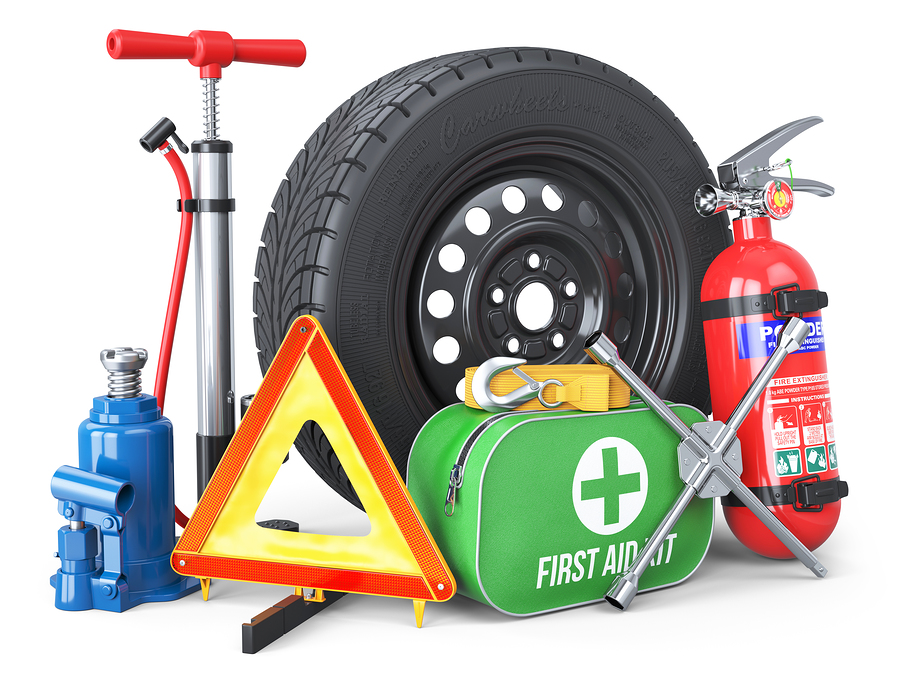
In honor of National Safety Month, we’ve pulled together 15 must-have items that every traveling technician, tradesperson, or road warrior should carry in their car during the hotter months.

15 Summer Safety Items You Should Keep in Your Vehicle

Whether you’re heading to a new job site or just navigating your regular route, make sure your car is stocked with these essentials.

  1. First Aid Kit: Fully stocked and accessible. You never know when you or someone nearby might need it.
  2. Sunscreen: An extra bottle goes a long way. You’re not always in the shade, and sunburn can sneak up fast on long days.
  3. Jumper Cables: Help yourself or someone else out of a jam. It’s a small item that makes a big difference.
  4. Basic Toolkit: An adjustable wrench, duct tape, a couple screwdrivers, and pliers can help fix minor issues without delay.
  5. Reflective Blanket: Great for creating shade or staying warm when the temperature dips at night.
  6. Reflective Triangles or Roadside Flares: Stay visible if your vehicle breaks down, especially in low light.
  7. Heat-Resistant Snacks: Granola bars, trail mix, or anything that won’t melt or spoil in the heat.
  8. Water: Keep a few bottles handy—for drinking, refilling your radiator, or cleaning up in a pinch.
  9. Tire Sealant: A temporary fix if you get a flat and can’t make it to the shop right away.
  10. Tire Jack: Make sure it’s compatible with your vehicle and in good working condition.
  11. Work Gloves: Protect your hands and improve your grip when dealing with tools or hot surfaces.
  12. Flashlight or Rechargeable Light: Battery-powered or solar—just make sure it works when you need it most.
  13. Map or Road Atlas: Old school, sure. But if GPS fails, you’ll be glad you have it. Just make sure you know how to read it.
  14. Spare Phone Charger: Keep a backup in your glovebox or bag—charged and ready to go.
  15. Emergency Radio: Stay informed when cell service is limited, especially during storms or natural disasters.

Be Safe. Be Smart. Be Ready.

At FlexTrades, safety is never an afterthought. It’s a mindset. And being prepared for the unexpected isn’t just good advice—it’s part of the job. Keep your car stocked. Keep yourself protected. And keep moving forward with confidence.

Want more tips on workplace safety?
Check out our article on Reinforcing Safety in Your Workplace.

Spring has officially arrived.

The grass is green again. The birds are chirping. And maybe, just maybe, you’re thinking about that long list of home projects that didn’t get done last fall. But before you pick up the power washer or fire up the lawnmower, take a closer look around you. Odds are, you’ll find a different kind of spring hiding in plain sight.

Not the season. The metal kind.

Springs are everywhere. Inside your household cleaners. Beneath your mower deck. Behind your garage door. They’re small, tightly wound, often overlooked—and absolutely essential.

So, in this edition of “How It’s Made” with FlexTrades, we’re talking about the mechanics, materials, and manufacturing behind the humble spring.

Types of Springs

Springs come in two basic types—stretched and coiled.

  • Stretched springs store energy when pulled, like the tension in a bow and arrow. Pull back the string, and the spring (the bow) transfers energy to the arrow in a snap.
  • Coiled springs are the most common. They compress and expand to absorb shock, maintain pressure, or return components to a resting state. The first patent for a coiled spring dates back to 1763. The design has endured for a reason.

How Springs Are Made

No matter the style, the spring manufacturing process is surprisingly precise—and it all starts with the right material.

Materials

Springs are made from a wide range of materials based on end-use needs:

  • Stainless steel
  • Non-ferrous alloys like Monel
  • High-temperature alloys such as Inconel
  • High-carbon and alloy steels
  • Plastics (for specialty applications)

Design

Every spring is engineered with precision. The design process involves a surprising amount of math—factors like diameter, length, wire thickness, number of coils, and the amount of force needed are all carefully calculated to match the demands of the application.

Coiling

Once the specs are locked in, it’s time to wind. Coiling machines shape the material using either:

  • Cold winding for most wire types
  • Hot winding for thicker wire or bar stock

Not sure how a spring coiler works? Check out Automated Industrial Motion—they break it down with incredible detail.

Tempering

Tempering strengthens the spring and removes stress left over from the coiling process. Springs are exposed to extremely high temperatures for a set amount of time. The result? Better performance and durability under load.

Finishing

From grinding to coating, the final steps are all about getting the spring ready for real-world use.

  • Grinding flattens the ends of the wire
  • Shot peening smooths the surface and prepares for coating
  • Setting ensures the spring holds its shape under stress
  • Coating protects against corrosion
  • Quality control checks for exact performance specs

If you want to see the process in action, here’s a great visual to walk you through it.

Final Thoughts

Springs aren’t just for trampolines. They’re everywhere. And understanding how they’re made? That’s just one more way we at FlexTrades celebrate the people and processes that keep manufacturing moving. 

Welcome to the first edition of FlexTrades’ “How It’s Made”—where we break down the manufacturing process behind everyday products. Today, we’re rolling out an inside look at how toilet paper is made.

With demand always high, it’s easy to forget that toilet paper hasn’t always been a household staple. If you’re curious about its origins, check out the history of toilet paper—but today, we’re here to focus on how it’s made.

How Is Toilet Paper Made?

Toilet paper is, at its core, just paper—which means its journey starts in the forest, moves to a lumber mill, is processed at a paper mill, and finally, is turned into the final product at a manufacturing facility.

Step 1: Harvesting Wood from Forests

Toilet paper is typically made from a blend of hardwoods and softwoods—about 70% hardwood and 30% softwood. Hardwoods provide softness, while softwoods add strength to the final product. Once trees are harvested, they are shipped to the lumber mill.

Sustainability Note: New trees are planted after harvesting to maintain forest resources.

Step 2: Processing at the Lumber Mill

At the lumber mill, trees go through two key processes:

  • Debarking – The outer bark is removed while preserving as much usable wood as possible.
  • Chipping – Logs are cut into small, uniformly sized wood chips (typically 1” x ¼”).

These wood chips are then sent to the paper mill for further processing.

Step 3: Pulping & Sheet Formation at the Paper Mill

At the paper mill, wood chips are turned into pulp through a multi-step process:

  1. Cooking – The chips are “cooked” with chemicals to remove moisture and break them down into pulp.
  2. Processing – The pulp undergoes washing, bleaching, and additional chemical treatments.
  3. Stock Preparation – Water is added to create a paper stock, which is then passed through a series of rollers, dryers, and heaters to reduce moisture.
  4. Sheet Formation – The result is large, matted fiber sheets, which are wound onto jumbo reels (some weighing up to five tons). These reels are sent to manufacturing facilities for final processing.

Step 4: Manufacturing & Packaging

At the manufacturing facility, jumbo reels of paper sheets go through the following steps:

  • Unwinding & Slitting – Large sheets are unwound, cut to size, and rewound onto cardboard tubes.
  • Roll Sizing – These large rolls are then cut down to the standard 4.5” x 4.5” toilet paper roll size.
  • Stacking & Packaging – Finished rolls are stacked, wrapped, and packaged for distribution.

And just like that, the toilet paper rolls you see in stores—or sometimes don’t see—are ready for use.

Want to See It in Action?

Check out this video from Georgia-Pacific, the manufacturer behind Angel Soft and Quilted Northern.

Final Thoughts

Toilet paper is a simple yet essential product, requiring precision, efficiency, and large-scale production to meet demand. And while most of us only think about it when the shelves are empty, the process behind it is a fascinating look at modern manufacturing and supply chain logistics.

Stay tuned for more editions of “How It’s Made” from FlexTrades, where we break down the process behind the products you use every day.