
Walk any manufacturing trade show floor today and you will hear the same three letters repeated over and over again.

AI.

Artificial intelligence has quickly moved from theory to application. Predictive maintenance platforms analyze machine data in real time. Computer vision systems inspect parts faster than the human eye. Generative design software helps engineers build lighter, stronger components in minutes instead of weeks.

But amid all the excitement, one truth often gets lost.

AI is only as effective as the people guiding it.

For manufacturing leaders, the real shift is not just adopting artificial intelligence. It is learning how to work with it. The companies that figure this out first will move faster, solve problems earlier, and operate more efficiently than those still treating AI like a novelty.

This is where AI literacy begins.

What AI Literacy Actually Means

A few years ago, people talked about “prompt engineering.” The phrase sounded technical and intimidating, as if it belonged to programmers and data scientists.

In reality, the idea is much simpler.

AI literacy is the ability to communicate clearly with AI systems so they produce useful, actionable results. It is the skill of framing problems, asking better questions, and interpreting the answers AI generates.

Think of it the same way you would think about any advanced manufacturing tool.

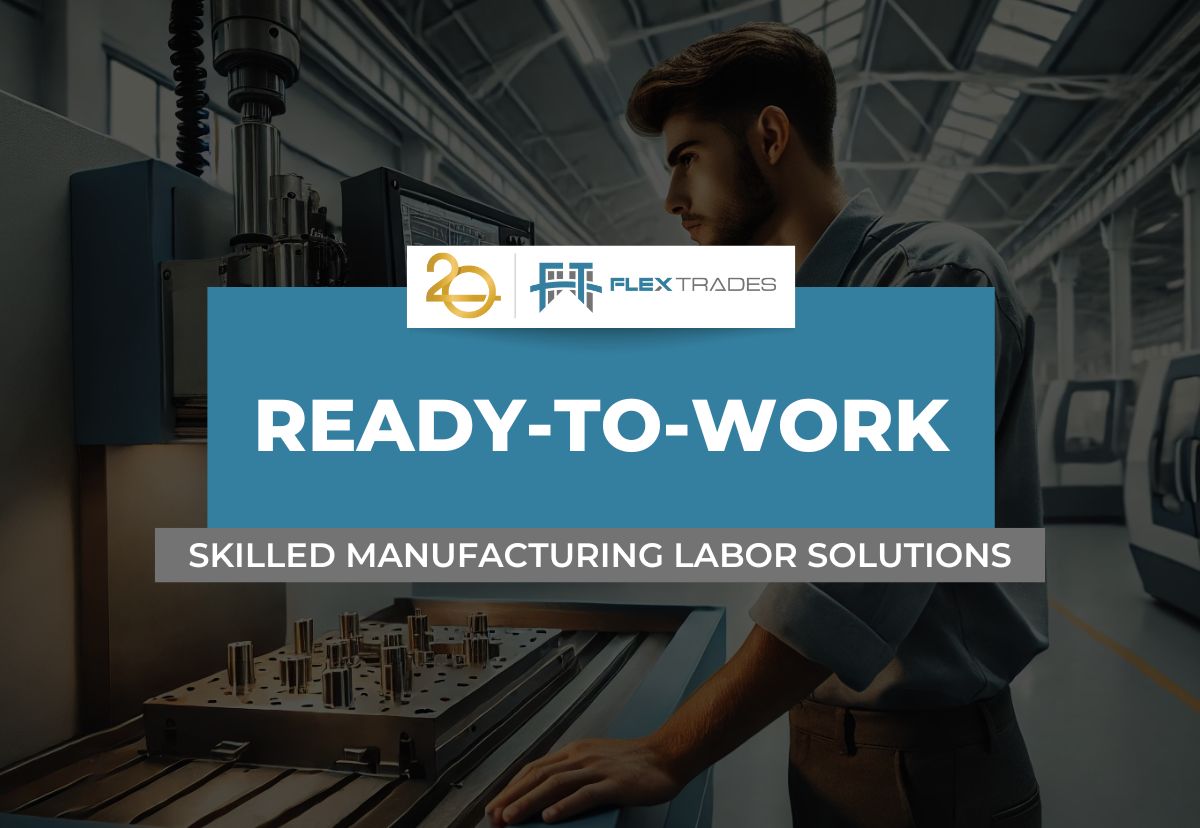
A CNC machine does not create precision parts on its own. A skilled machinist programs it, guides it, and adjusts it based on experience and context.

AI works the same way.

It is powerful. But it still requires human judgment to produce meaningful outcomes.

Where AI Is Already Changing Manufacturing

The shift toward AI assisted operations is already underway across the manufacturing landscape. And the use cases are becoming more practical every year.

Predictive Maintenance

Modern manufacturing equipment generates enormous amounts of operational data. AI systems can analyze that data to identify patterns that signal potential failures before they happen. Instead of reacting to breakdowns, manufacturers can schedule maintenance proactively, reducing downtime and protecting production schedules.

Computer Vision for Quality Inspection

Traditional inspection processes rely heavily on human eyes and manual measurement. AI powered vision systems now scan components in real time, detecting surface defects, dimensional inconsistencies, and material anomalies with remarkable precision.

The result is faster inspections and more consistent quality control.

Generative Design and Engineering

Engineering teams are also using AI tools to explore design possibilities that would be nearly impossible to model manually. By defining constraints such as material strength, weight limits, and manufacturing methods, engineers can generate thousands of optimized design options in minutes.

Many of the most advanced aerospace and automotive components being produced today are the result of this type of collaboration between human engineers and AI systems.

Supply Chain Forecasting

AI is also reshaping how manufacturers manage inventory and supplier networks. Machine learning models can analyze historical demand patterns, supplier performance data, and global market signals to improve forecasting accuracy and reduce supply chain disruptions.

In an era of volatile global logistics, that capability matters.

The Leadership Challenge No One Talks About

Despite all of this progress, many manufacturing organizations are still approaching AI the wrong way.

They treat it like software.

Install the platform. Train the staff. Expect results.

But AI does not behave like traditional software systems. It behaves more like a partner in the problem solving process.

If leaders ask vague questions, they receive vague insights. If teams lack context or direction, the AI models they rely on will produce generic recommendations.

This is why AI literacy is quickly becoming a leadership skill.

Manufacturing leaders must learn how to frame operational problems clearly, interpret AI generated insights critically, and guide teams in using these tools effectively. Without that human layer of understanding, even the most advanced systems struggle to produce meaningful value.

AI Will Not Replace Skilled Workers

A common fear surrounding artificial intelligence is that it will replace human workers on the factory floor.

That fear misunderstands the moment we are in.

AI excels at analyzing patterns, processing large datasets, and identifying statistical anomalies. But it does not understand nuance, operational context, or the countless small decisions that experienced technicians and engineers make every day.

In reality, AI will not replace skilled manufacturing professionals.

It will amplify them.

A maintenance technician who can interpret AI generated equipment diagnostics will diagnose issues faster. A production manager who understands how to query AI driven analytics will identify bottlenecks earlier. An engineer who knows how to guide generative design tools will unlock entirely new design possibilities.

The workforce does not disappear.

It evolves.

The Manufacturing Leaders Who Win

Manufacturing has always been defined by the ability to adopt new tools.

From the introduction of CNC machining to the rise of robotics and advanced automation, each technological shift has rewarded the organizations willing to adapt first.

Artificial intelligence is simply the next chapter in that story.

The companies that succeed will not be the ones that simply purchase AI platforms. They will be the ones that build organizations capable of thinking alongside them.

That means investing in training. Encouraging experimentation. And helping teams develop the ability to ask better questions of the systems now shaping their operations.

Because the future of manufacturing will not belong to AI alone.

It will belong to the people who know how to use it.
I want you to picture a moment that probably feels familiar.

A production schedule that looked reasonable a few months ago. A delivery date everyone nodded at in a meeting. A plan that worked… until it didn’t.

Not because demand disappeared.

Not because quality slipped.

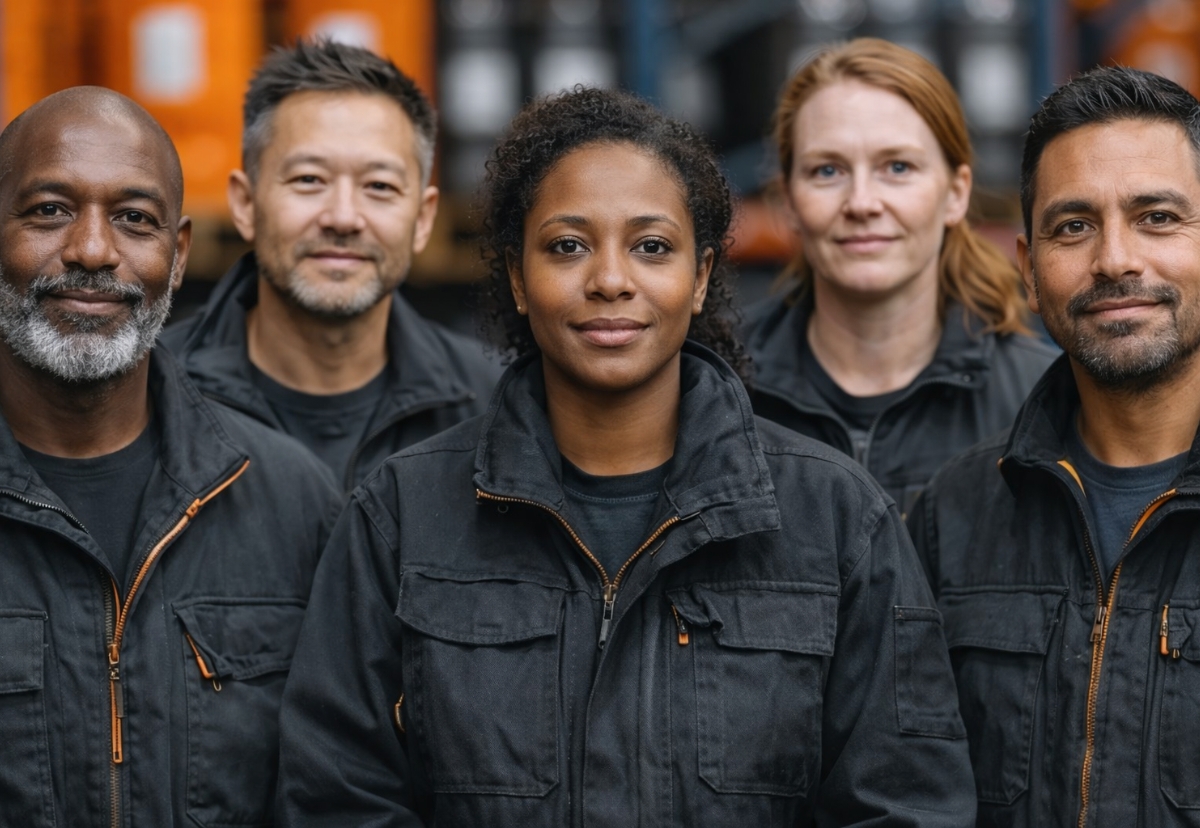
But because there simply were not enough skilled people to do the work.

No alarms. No dramatic collapse. Just a quiet realization that the math no longer adds up.

That moment is happening every day across manufacturing floors in this country. And it is still being treated like a temporary inconvenience instead of what it actually is, a long-term reality.

What We Still Refuse to Fully Acknowledge

The skilled labor shortage is not going away anytime soon. That part is no longer up for debate. What remains oddly controversial is what that truth requires of us.

Even if trade education improves tomorrow. Even if apprenticeships scale. Even if younger generations rediscover the value of skilled work… it will take years, likely decades, for those efforts to materially close the gap.

Yet many organizations are still behaving as if patience alone is a strategy. As if time will smooth this out. As if doing more of what worked ten years ago will somehow start working again.

Hope is not a workforce plan.

The companies struggling the most are not unaware of the shortage. They talk about it constantly. What they struggle with is accepting that the rules have changed and acting accordingly.

Pressure Is Increasing, Not Easing

At the same time, the environment around manufacturing is getting more complex.

Automation is advancing.

AI is accelerating processes.

Equipment is becoming more sophisticated and less forgiving.

None of this reduces the need for skilled labor. It raises it.

Advanced machines still require experienced people to run them, troubleshoot them, and keep them productive. AI may speed decision making, but it does not replace the hands and minds required to execute the work. In many cases, it exposes workforce gaps faster than before.

Layer that onto missed delivery dates. Delayed revenue. Strained customer relationships. Overworked internal teams trying to compensate.

This is not theoretical risk. It is already showing up on balance sheets and in customer conversations.

Why Traditional Staffing Keeps Missing the Moment

When workforce pressure peaks, many companies default to the same solution they have always used.

Call a staffing agency. Request resumes. Move fast and hope for the best.

The problem is not effort. It is fit.

Traditional staffing models were built for transactions. For filling seats quickly. For volume. They were not built for skilled, project-based manufacturing environments operating under long-term labor constraints.

Speed alone does not solve complexity. More resumes do not guarantee better outcomes. Short-term fixes do not hold up when the shortage itself is long-term.

That disconnect is where frustration sets in. Not because companies are unwilling to adapt, but because the tools they are using were designed for a different era.

What Forward-Thinking Manufacturers are Doing Differently

Some organizations have stopped waiting for conditions to improve. They have accepted that instability is the operating environment, not a temporary phase.

They are not abandoning internal hiring or training. They are complementing it.

They are forming workforce partnerships built around projects, outcomes, and predictability. Partnerships that acknowledge reality instead of fighting it.

This is where FlexTrades fits, not as a staffing vendor, but as a workforce solution designed for how manufacturing actually works today.

Project-based skilled trades. Deployed where and when the work demands it. Built to deliver certainty in an uncertain labor market.

The difference is not philosophical. It is practical.

When labor shortages are structural, solutions must be structural too.

The Real Divide

The skilled labor shortage will not fix itself. Time alone will not solve it. Waiting carries real risk.

Some companies will continue reacting.

Others will build systems that account for reality.

That is the divide forming right now across manufacturing.

Not between those who care and those who do not.

Between those willing to adapt and those still hoping the old rules apply.

The shortage is not ending. But how companies respond to it will define who keeps moving forward.

I wasn’t raised to think about tariffs.

Odds are, you weren’t either.

I was taught to work hard, get a job, earn a living, and if I was lucky, make a difference. That was the formula. That was the plan. No one ever pulled me aside to explain how international trade policies or import taxes might one day shape the cost of materials, the future of U.S. manufacturing, or the kinds of jobs that would still be around for my kids.

But here we are.

If you’ve worked in or around manufacturing over the last five years, you’ve probably felt it. That slow, creeping shift in how things get made, where materials come from, and how much harder it’s gotten to keep things moving on time and under budget. And while there are a lot of moving parts to that story, tariffs (those taxes we put on imported goods) are a big one.

They’re not new. Tariffs have been around since the beginning of this country. But that’s not the point.

The point is what they’re doing now.

What’s Actually Happening

Right now, tariffs are not just a talking point.

They are policy.

Tomorrow is April 2. President Trump has officially declared it “Liberation Day.” And with that declaration comes a sweeping new tariff policy that will impact nearly every foreign-made product entering the United States.

We’re not just talking about steel and aluminum anymore.

This time, it is everything. Every imported bolt, battery, bearing, appliance, tool, machine, and microchip will be taxed under what the administration is calling a universal baseline tariff.

It is bold. It is aggressive. And depending on where you stand in the supply chain, it is either a necessary correction or a massive disruption. Or maybe it is both.

If this sounds familiar, that is because it is.

Back in 2018, the Trump administration imposed a 25 percent tariff on steel and aluminum, along with additional tariffs on goods from China, Canada, and Mexico. Some industries got a boost. Others took a hit. And many of the manufacturers we work with at FlexTrades got caught somewhere in the middle.

Now here we go again. Only this time, it is bigger. Louder. And for most companies, a whole lot harder to plan around.

The Cost of Protection

Tariffs do not just raise prices on foreign goods.

They raise prices on everything.

If your business depends on imported materials, your costs are going up. If your vendors rely on imported components, their costs are going up. And when that happens, you are either eating those costs or passing them down the line.

Eventually, those added costs land in one of two places. Either they show up on your balance sheet. Or they show up in your customer’s final invoice.

And it is not just businesses feeling the strain. It is the welders, the machinists, and the maintenance techs. It is the folks walking into the shop every morning wondering how many more curveballs this industry can throw at them.

It is the shop foreman trying to make a delivery deadline with parts that did not arrive. It is the business owner staring at a spreadsheet and wondering how to pay ten percent more for steel when the contract was signed six months ago.

Some shops adapt. A few even thrive.

But others? They are running out of road.

The Bigger Question

Tariffs are not inherently good or bad. They are tools. And like any tool, they can build or they can break depending on how they are used.

The idea behind them is simple. Protect domestic production. Level the playing field. Keep jobs at home. All of that makes sense.

But when tariffs go too far, they do not just hurt foreign competitors. They hurt the people we are trying to protect. And if we are being honest, manufacturing in America is already hard enough.

We do not need more pressure.

We need more support.

So, What Now?

Liberation Day is tomorrow.

That is not a headline. That is real.

And what comes next will impact American manufacturing in a big way. The question is, are we ready?

Because the goal of bringing jobs back is a good one. But goals without preparation tend to collapse under their own weight.

If we want this to work, we need to:

  • Invest in skilled trades and train the next generation of workers
  • Strengthen our supply chains instead of just shifting their cost
  • Support the companies who are doing things the right way

Tariffs might shape the playing field.

But it is people who build the field in the first place.

Every bolt. Every beam. Every overnight shift and every early morning run to the yard. It all starts with someone showing up, doing the work, and doing it right.

So the next time you see a “Made in America” label, stop and take a second look.

Because behind that label is someone’s livelihood. Someone’s future. Maybe yours.

What do you think?

Are these new tariffs going to help your business or hurt it?

And more importantly, are we doing enough to support the workers who keep this country moving?

Let’s talk.

Because this conversation matters.

March is National Nutrition Month, and while the focus is on making informed food choices, the reality for traveling technicians is that eating healthy isn’t always easy. Fast food is convenient. Gas stations are everywhere. And when time is tight and budgets are stretched thin, a dollar menu burger is a lot more accessible than a fresh, home-cooked meal.

At the same time, food costs are rising. Grocery bills are climbing higher every month, and yet there’s a massive push to make food both healthier and more affordable. The goal is good, but for those working long hours on the road, change isn’t happening fast enough. The question remains: How do you eat well when you don’t have the time, the money, or the kitchen to make it happen?

The Challenge of Healthy Eating on the Road

If you’re a FlexTrades technician, chances are you’re bouncing from one assignment to the next, working long shifts in unfamiliar places. That means no regular grocery trips, no stocked pantry, and limited access to fresh ingredients. Instead, you’re left with whatever the nearest convenience store, drive-thru, or hotel vending machine has to offer.

And while it’s easy to grab a greasy burger or a gas station hot dog, the reality is that your food choices impact everything. Energy. Focus. Strength. Even your ability to handle stress. If you’re running on fast food and energy drinks, you’re going to feel it. And not in a good way.

Making Smart Choices When Options Are Limited

Eating healthy doesn’t mean following some strict, unrealistic diet. It means making small changes that actually fit your lifestyle.

When You’re Stuck With Fast Food

  • Grilled over fried. Always.
  • Ditch the soda. Water is free. Iced tea is better.
  • Add veggies where you can. It’s not a salad, but extra lettuce and tomato are better than nothing.
  • Skip the mayo and heavy sauces. They add unnecessary calories without adding much flavor.

When You’re Grocery Shopping for a Short Stay

  • Go for shelf-stable, high-protein options. Think nuts, peanut butter, canned tuna, and protein bars.
  • Stock up on easy-to-eat fruits. Apples, bananas, and oranges travel well and don’t need refrigeration.
  • Greek yogurt over regular. More protein. Less sugar. Better for you all around.
  • Oatmeal packets. Cheap, filling, and only need hot water.

When You Have a Hotel Room With a Microwave

  • Microwaveable brown rice + rotisserie chicken + pre-cut veggies. That’s dinner in five minutes.
  • Eggs. Scramble them in a mug. It’s not gourmet, but it works.
  • Frozen veggies. Steam them in the bag for a quick side dish.

Superfoods That Keep You Fueled

You don’t need some overpriced organic smoothie to get the benefits of superfoods. The best ones are simple, affordable, and available almost anywhere.

  • Oats: Fiber, protein, and easy to prep.
  • Eggs: Packed with protein, easy to cook.
  • Nuts & Seeds: Healthy fats, great for snacking.
  • Greek Yogurt: High in protein, good for digestion.
  • Leafy Greens: When in doubt, add spinach to whatever you’re eating.
  • Lean Proteins: Chicken, turkey, fish. Even canned options are solid choices.

Healthy Eating Meets Pop Culture: Food Movies That Inspire Better Choices

March is also award season, and some of the best movies revolve around food. If you’re looking for a little inspiration, these films might just change the way you think about what’s on your plate.

  • Ratatouille (2007): Proof that simple, fresh ingredients can make the best meals.
  • Chef (2014): Watch this and try making your own Cuban sandwich.
  • Julie & Julia (2009): Classic French cooking, but start with an omelet instead of coq au vin.

Why This Matters

At the end of the day, this isn’t about perfection. No one is expecting you to meal prep for a week when you barely have time to grab lunch. But your body is the tool that keeps you working, and what you put into it determines how well it runs. National Nutrition Month is a reminder to make better choices, even if they’re small.

FlexTrades knows the challenges that come with life on the road. We see the hours you put in, the dedication you bring to every job, and the sacrifices you make to keep manufacturing moving. That’s why we’re here to support you… not just in your work, but in your well-being too.

Need more resources for thriving as a traveling technician? Explore the FlexTrades’ blog, and dive in to tools, tips, and career opportunities designed with you in mind.

Something big is happening in U.S. manufacturing.

ArcelorMittal, the second-largest steel producer in the world, just announced a $0.9 billion investment in a new steel manufacturing facility in Calvert, Alabama. The plant is set to open in 2027 and will produce 150 kilotons of non-grain-oriented electrical steel (NOES) every year. If that sounds technical, here’s what matters. This type of steel is critical for producing full-size pickups, SUVs, and other larger vehicles, and with hybrid sales climbing to a five-year high, demand is only growing.

Manufacturers are spending billions to expand production and secure supply chains, but no one is talking about the most important factor in all of this. Labor.

Steel plants do not run on investments alone. Manufacturing does not move without skilled tradespeople. It takes machinists, welders, millwrights, CNC programmers, and industrial maintenance technicians to bring these billion-dollar projects to life.

Right now, there aren’t enough of them to meet the demand.

Manufacturing is Surging. The Workforce is Not.

The U.S. automotive sector is booming. Automakers are building more. Supply chains are stretching farther. Investments like ArcelorMittal’s are only the beginning. That is all great news for the industry, but it exposes a problem that keeps getting worse. There are not enough skilled workers to keep up.

A lack of available talent means missed deadlines, supply chain disruptions, and production delays. When major manufacturing expansions happen, companies need highly trained, ready-to-go technicians who can hit the ground running. That is where FlexTrades steps in.

We specialize in solving workforce gaps before they become production problems. We do not just place people in jobs. We deploy skilled tradespeople exactly where and when they are needed. That is the difference between keeping up with demand and falling behind.

The Future of U.S. Manufacturing is Skilled Labor

ArcelorMittal’s $0.9 billion plant is a bet on the future of U.S. manufacturing. It is proof that production is not slowing down. It is also a reminder that technology and infrastructure are only part of the equation. A factory filled with state-of-the-art machines is worthless if there is no one to run them.

Manufacturers must shift the way they think about workforce strategy. Investing in the right people is just as important as investing in new plants, new equipment, and new technology. Without a scalable, flexible workforce, growth is nothing more than potential.

The companies that will thrive in this new era of U.S. manufacturing are the ones that prioritize skilled labor as a competitive advantage.

FlexTrades is already doing that.

Let’s Build the Future of U.S. Manufacturing Together

If you are a manufacturer looking for skilled tradespeople to meet growing demand, let’s talk. If you are a highly trained worker looking for opportunities to work on exciting projects across the country, we want to hear from you.

The future of manufacturing belongs to those who are ready to build it. 

When it comes to manufacturing, the well-being of employees and the integrity of operations go hand in hand. That’s why safety isn’t just a priority at FlexTrades, it’s at the core of everything we do. Our technicians, deployed across various job sites, are trained to think safety first and bring this mindset to every task they take on.

In fast-paced, high-risk environments such as manufacturing floors, safety concerns can arise at any moment. Whether it’s from machinery, hazardous materials, or operational processes, staying ahead of potential risks is crucial. FlexTrades recognizes that the health and safety of workers should never be compromised, and we’re proud to provide technicians who are fully equipped to identify, address, and mitigate safety concerns on the spot.

The FlexTrades Safety Culture: A Mindset, Not Just a Policy

At FlexTrades, safety is part of our culture. It’s ingrained in our training programs, from the moment technicians join our team to the moment they step onto a manufacturing floor. Our safety-first mentality empowers our technicians to act as proactive agents who help keep operations running smoothly and safely.

FlexTrades technicians are trained to identify hazards, from minor issues to major concerns, and take swift action to resolve them. When our professionals are deployed, they aren’t just following orders, they’re applying their extensive training to mitigate risks, improve safety standards, and ensure compliance with regulations.

Why Safety Matters on the Manufacturing Floor

Manufacturing environments are dynamic and can present unexpected challenges. High-stakes operations, complex machinery, and tight production schedules can lead to dangerous situations. But when safety protocols are followed and the right mindset is applied, those risks can be effectively minimized.

FlexTrades’ technicians play a vital role in creating a safer workplace for everyone. From proper tool handling to wearing appropriate personal protective equipment (PPE), our team members are well-prepared to make sure every safety precaution is followed to the letter. The result? Fewer accidents, more consistent production, and a thriving workforce.

A Focus on Compliance and Safety Standards

Compliance with industry safety standards and regulations is a must for any manufacturing facility. FlexTrades’ technicians don’t just know the rules, they live by them. We ensure that our team is well-versed in all applicable safety standards, including OSHA regulations, industry-specific guidelines, and workplace best practices.

Our team is trained to conduct safety audits, identify gaps in compliance, and suggest improvements to safety protocols. When you have a FlexTrades technician on your team, you have an advocate for safety compliance who works tirelessly to maintain a safe environment for your workers.

The FlexTrades Difference: Keeping Workers Safe and Productive

Safety isn’t just about reducing accidents, it’s also about keeping workers productive and focused. By alleviating safety concerns, our technicians help maintain a smooth workflow, boost morale, and ensure that operations stay on track. After all, a safe employee is a productive employee.

At FlexTrades, we believe that safety isn’t an add-on. It’s integrated into every step of our technicians’ daily responsibilities. From the training we provide to the actions our technicians take on the floor, safety is always top of mind.

Safety You Can Trust, Professionals Who Care

When you bring FlexTrades technicians onto your manufacturing floor, you’re not just getting highly skilled professionals, you’re also getting safety advocates who will prioritize your team’s well-being every step of the way. We pride ourselves on instilling a safety-first mindset that not only meets but exceeds industry standards, ensuring that your facility remains compliant, safe, and productive.

If you’re ready to enhance safety at your facility and ensure a smooth, efficient workflow, reach out to FlexTrades today. Our skilled, safety-conscious technicians are prepared to make an immediate impact.

Contact us now to find out how FlexTrades can support your manufacturing team with expert, safety-first technicians. Don’t let safety concerns slow down your production. Partner with us and make safety a priority at your facility today! 

When we envision Santa’s workshop, we picture a bustling hub where toys are crafted, decorations are assembled, and holiday magic comes to life. In the United States, this enchantment is mirrored by skilled tradespeople and manufacturers who produce the festive items that define our Christmas celebrations. Let’s explore some American companies that embody this holiday spirit through their craftsmanship.

Toy Manufacturing: Bringing Joy to Children

  • Mattel, Inc.: Headquartered in El Segundo, California, Mattel is renowned for iconic toys like Barbie and Hot Wheels. While some production occurs overseas, Mattel maintains manufacturing facilities in the U.S., contributing to the creation of beloved holiday gifts.
  • Hasbro, Inc.: Based in Pawtucket, Rhode Island, Hasbro produces classics such as Monopoly and Play-Doh. The company supports American manufacturing through various facilities, ensuring that many of their toys are made domestically.

Christmas Decorations: Adorning Homes with Festive Cheer

  • Bronner’s CHRISTmas Wonderland: Located in Frankenmuth, Michigan, Bronner’s is the world’s largest Christmas store, offering a vast selection of ornaments and decorations, many of which are made in the USA.
  • Barrango, Inc.: Operating out of South San Francisco, California, Barrango specializes in large-scale commercial Christmas decorations, including giant trees and ornaments, all crafted domestically.

Holiday Lighting: Illuminating the Season

  • Christmas Lights, Etc.: Based in Alpharetta, Georgia, this company is a leading supplier of Christmas lights and decorations, offering a range of products, including energy-efficient LED options.

Ornaments and Collectibles: Crafting Keepsakes

  • Department 56: Headquartered in Eden Prairie, Minnesota, Department 56 is known for its intricately detailed Christmas village collections and Snowbabies figurines, many of which are crafted in the U.S.
  • Beacon Design: Located in Lincoln, Rhode Island, Beacon Design is America’s leading ornament manufacturer, producing custom and retail ornaments that adorn Christmas trees nationwide.

Artificial Christmas Trees: Sustainable Festivity

  • Balsam Hill: Based in Redwood City, California, Balsam Hill is renowned for realistic artificial Christmas trees and holiday décor, with a commitment to quality craftsmanship.

The Role of Skilled Trades in the Holiday Season

Behind each of these companies are skilled tradespeople (machinists, assemblers, electricians, and artisans) whose expertise brings holiday products to life. Their dedication ensures that homes across America are filled with joy and festive spirit each Christmas.

FlexTrades: Supporting the Makers of Holiday Magic

At FlexTrades, we celebrate and support the skilled trades that make the holiday season possible. By connecting manufacturers with talented professionals, we help sustain the industries that bring Christmas magic to life.

This Christmas, as you decorate your home and exchange gifts, take a moment to appreciate the American craftsmanship and skilled tradespeople who make these traditions possible. Their hard work and dedication keep the spirit of Santa’s workshop alive in our communities.

Happy Holidays from FlexTrades

The U.S. manufacturing industry is the backbone of the nation’s economy, producing everything from advanced aerospace components to everyday consumer goods. But as the sector evolves, so do the challenges in finding and retaining skilled labor. FlexTrades, a leader in workforce solutions, has made it its mission to address these challenges head-on. Below, we explore the top five workforce challenges faced by manufacturers and how FlexTrades provides solutions that make a tangible difference.

1. Skills Gap in Manufacturing

The Challenge: With the rapid adoption of automation, robotics, and advanced manufacturing technologies, the skills required in manufacturing have changed significantly. Many workers lack the technical training needed to operate modern machinery or troubleshoot complex systems, creating a substantial skills gap.

How FlexTrades Solves It: FlexTrades connects manufacturers with a nationwide pool of highly skilled tradespeople, including CNC machinists, welders, maintenance technicians, and more. These professionals are pre-vetted and ready to contribute from day one, ensuring that companies have access to the expertise they need without lengthy training periods.

Learn more about how FlexTrades bridges the skills gap: FlexTrades Skilled Workforce Solutions.

2. Aging Workforce and Retirements

The Challenge: A large percentage of the manufacturing workforce is nearing retirement age, leaving a critical void in both leadership and hands-on expertise. Recruiting younger talent into these roles has proven difficult, as many perceive manufacturing as outdated or lacking career growth opportunities.

How FlexTrades Solves It: FlexTrades offers flexibility to manufacturers by providing a reliable pipeline of skilled tradespeople, ensuring operational continuity even as seasoned employees retire. Additionally, their emphasis on training and upskilling supports long-term workforce development, making manufacturing an appealing career choice for younger generations.

3. Geographic Labor Imbalances

The Challenge: Manufacturers in certain regions face significant challenges in recruiting due to a lack of skilled labor locally. For example, rural areas or regions without strong vocational training programs may struggle to attract the talent needed to maintain production schedules.

How FlexTrades Solves It: FlexTrades deploys skilled tradespeople nationwide, breaking down geographic barriers. Whether your facility is in a bustling metropolitan area or a more remote location, FlexTrades ensures that qualified professionals are available to meet your needs. Their 100% travel-ready workforce model allows manufacturers to overcome local labor shortages effectively.

4. High Turnover Rates

The Challenge: Turnover is costly, both in terms of time and money. When workers leave, manufacturers face disruptions in production, training expenses for replacements, and potential delays in meeting customer demands.

How FlexTrades Solves It: FlexTrades mitigates the impact of turnover by offering a flexible workforce solution. Companies can scale their teams up or down as needed without the overhead of permanent hires. FlexTrades’ workforce is experienced and reliable, minimizing the learning curve and ensuring that operations remain seamless even during periods of transition.

Explore more about FlexTrades’ scalable workforce solutions: FlexTrades Workforce Services.

5. Rising Costs of Recruitment and Retention

The Challenge: Recruiting and retaining skilled workers is expensive. Between job advertisements, recruitment agency fees, onboarding, and benefits, the costs quickly add up. Furthermore, retaining top talent requires competitive salaries and perks, which can strain budgets.

How FlexTrades Solves It: FlexTrades eliminates many of these costs by providing ready-to-deploy skilled workers without the need for extensive recruitment efforts. Their flexible employment model allows manufacturers to meet demand without the long-term financial commitment of traditional hires. By partnering with FlexTrades, companies can focus their resources on production and innovation rather than on recruitment.

The FlexTrades Advantage

FlexTrades is more than just a staffing company—it’s a strategic partner for manufacturers across the U.S. With a deep understanding of the challenges facing the industry, FlexTrades delivers tailored solutions that empower manufacturers to overcome obstacles and stay competitive.

From bridging the skills gap to addressing geographic labor shortages, FlexTrades is dedicated to supporting the manufacturing workforce and driving success for its clients.

Ready to Solve Your Workforce Challenges?

Partner with FlexTrades to ensure your manufacturing operations run smoothly and efficiently, no matter the challenges you face. Visit FlexTrades to learn more about their innovative workforce solutions and start a conversation today. 

Thanksgiving is a time when families gather to share gratitude and, of course, indulge in a feast that has become a cornerstone of American tradition. Behind the scenes, several major food manufacturers play pivotal roles in bringing those beloved dishes to our tables. Let’s take a closer look at five of these companies and the specialty items they produce that make our Thanksgiving celebrations so memorable.

Kraft Heinz: The Stuffing Masters

Kraft Heinz The Stuffing Masters

When it comes to Thanksgiving, Kraft Heinz is synonymous with Stove Top Stuffing. Introduced in 1972, this convenient stuffing mix has become a staple in many households. The manufacturing process begins with baking loaves of bread, which are then dried and cubed. These bread cubes are mixed with a blend of seasonings and herbs to create the signature flavor. Packaged for convenience, Stove Top Stuffing allows families to enjoy a delicious side dish with minimal preparation. In fact, the Kraft Heinz factory in Dover, Delaware, is a key production site for this iconic product, baking around 200,000 loaves of bread each day to meet the holiday demand.

Nestlé S.A.: The Pumpkin Pie Purveyors

Nestlé S.A. The Pumpkin Pie Purveyors

No Thanksgiving is complete without pumpkin pie, and Nestlé’s Libby’s brand has been a trusted name for over a century. The journey from pumpkin patch to pie involves harvesting specially grown pumpkins, which are then cleaned, peeled, and pureed. This puree is canned and distributed nationwide, providing home bakers with a consistent and high-quality base for their pies. Libby’s works closely with family farms in Morton, Illinois, ensuring that the pumpkins are processed within hours of harvesting to maintain freshness and flavor.

Jennie-O Turkey Store: The Turkey Titans

Jennie-O Turkey

As one of the leading turkey producers in the United States, Jennie-O Turkey Store ensures that millions of families have a succulent centerpiece for their Thanksgiving meal. The process begins with raising turkeys on farms where they are fed a balanced diet. Once they reach the appropriate size, the turkeys are processed, packaged, and shipped to retailers across the country. Jennie-O offers a variety of products, from whole turkeys to pre-seasoned roasts, catering to different preferences and cooking methods.

Butterball: The Turkey Talk-Line Heroes

Butterball

Butterball is another heavyweight in the turkey industry, renowned not only for their products but also for their Turkey Talk-Line, a hotline that has been assisting home cooks with turkey preparation since 1981. Butterball’s turkeys are raised on farms and undergo a meticulous process to ensure quality. They offer a range of products, including fresh and frozen whole turkeys, as well as pre-cooked options for those seeking convenience. Their commitment to quality and customer support has made them a trusted name in Thanksgiving celebrations.

Cargill: The Cranberry Sauce Specialists

Cargill The Cranberry Sauce

While Cargill is a global food corporation with a diverse portfolio, their contribution to Thanksgiving often comes in the form of ingredients used in cranberry sauce. Cargill supplies sugar and other components essential for crafting the sweet and tangy sauce that complements the savory dishes on the table. Their extensive supply chain ensures that manufacturers have the necessary ingredients to produce this holiday favorite, highlighting the interconnectedness of the food industry.

Making Memories

As we gather around the table this Thanksgiving, it’s worth appreciating the intricate processes and dedicated efforts of these manufacturers. From the fields where pumpkins and turkeys are raised to the factories where stuffing mix is prepared, each step is a testament to the commitment to quality and tradition. So, as you enjoy your meal, take a moment to acknowledge the journey each dish has taken to become a part of your holiday celebration. 

The world of manufacturing doesn’t wait, and neither does FlexTrades.

Imagine you’re a production manager in the thick of a high-demand cycle, where every part counts, every minute matters, and there’s no room for downtime. You need skilled, reliable people who don’t just show up… they get to work, making an immediate impact. That’s where FlexTrades comes in, ready to supply highly qualified manufacturing tradespeople who are prepared to keep production moving forward.

FlexTrades: Filling the Gap in Skilled Labor

Let’s face it. Skilled labor shortages are an ongoing challenge for manufacturers across the U.S. But FlexTrades has cracked the code to supply a flexible, skilled workforce that meets the unique needs of each facility. With a deep network of tradespeople trained in various fields like CNC machining, quality inspection, welding, and assembly, FlexTrades doesn’t just provide a warm body on the floor; they deliver expertise. This focus on quality and readiness is why many U.S. manufacturers are choosing FlexTrades as their go-to partner in skilled labor.

Why FlexTrades Works for U.S. Manufacturers

Manufacturing success depends on a reliable workforce, but traditional hiring processes can take too long, especially when production schedules are tight. Here’s how FlexTrades makes an immediate difference:

1. Fast, Tailored Workforce Solutions

FlexTrades understands that every plant, every project, and every production line has its own demands. They don’t just provide people. They supply experts with the right skills, ready to adapt to your specific processes and equipment on day one. Whether it’s specialized CNC operators or maintenance technicians, FlexTrades tailors its approach, delivering a workforce that fits seamlessly into your production flow.

2. Proven, High-Quality Talent Pool

When FlexTrades sends a technician to your facility, you know they’re qualified. These professionals aren’t just skilled. They’re vetted, experienced, and ready to handle everything from complex setups to precision inspections. Each FlexTrades worker has been carefully matched to meet your needs, reducing downtime and increasing productivity from the very start.

3. Cost Efficiency without Compromise

Imagine a solution that allows you to scale labor up or down as production demands change. FlexTrades provides this kind of adaptability without the time or expense of permanent hiring. With on-demand support across the U.S., they empower manufacturers to control labor costs while ensuring production goals are met, especially during peak seasons.

4. Day-One Readiness

FlexTrades’ skilled tradespeople are ready to get to work as soon as they step onto the floor. There’s no lengthy onboarding or extended training period needed. These professionals bring their expertise and reliability from the get-go. When production spikes, you don’t have the luxury of waiting, and with FlexTrades, you don’t have to.

Choosing FlexTrades Means Choosing a Partner in Progress

Working with FlexTrades isn’t just about filling jobs; it’s about building a relationship with a team that’s as invested in your success as you are. Their approach to providing skilled tradespeople goes beyond filling roles. It’s about keeping the gears of American manufacturing turning efficiently, safely, and successfully. For manufacturers who need fast, flexible, and skilled labor solutions, FlexTrades stands as a trusted partner ready to meet any production challenge.

Ready to see how FlexTrades can make a difference in your operations? Reach out today, and let’s keep America’s factories moving