

Summer means something different depending on who you ask.
For many employees, it’s a season of family vacations, long weekends at the lake, and well-earned time away from work. And that’s exactly as it should be.
Machines, however, don’t take vacations. Production schedules don’t either.
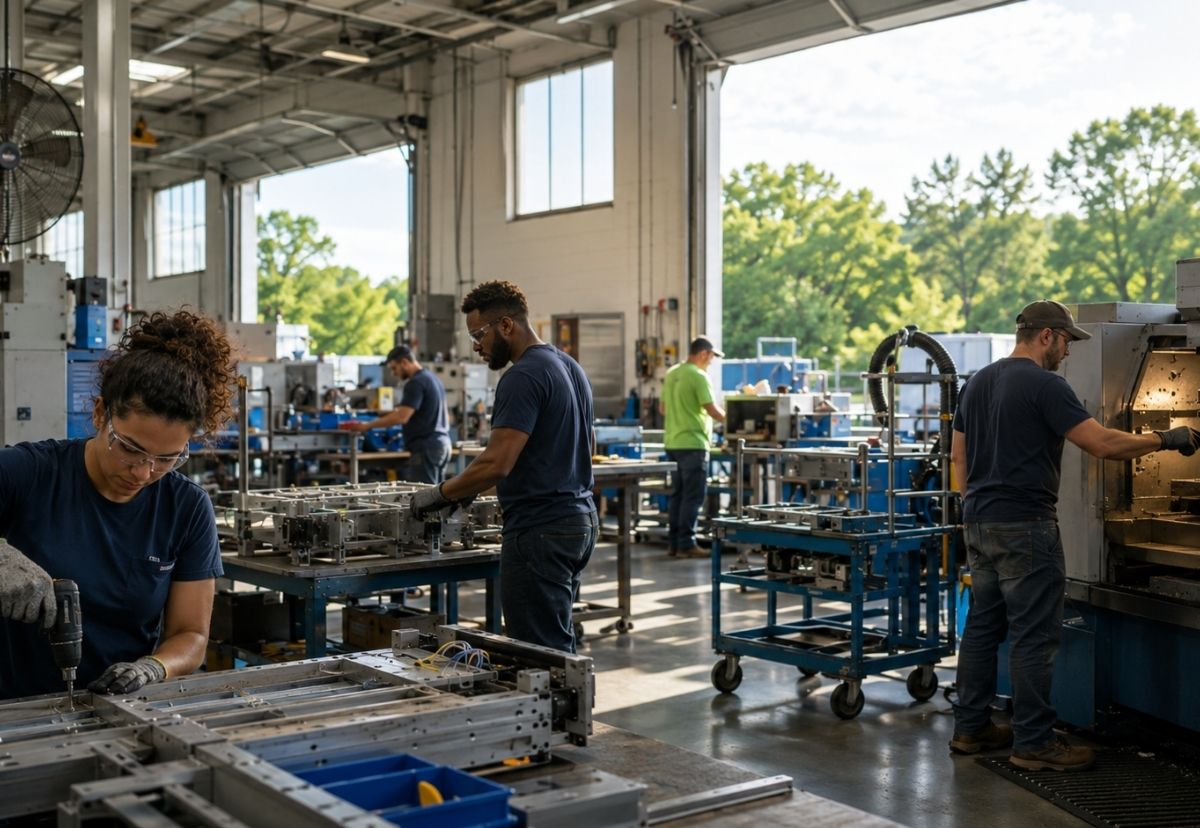
Customer commitments still need to be met. Planned maintenance outages, facility expansions, equipment installations, and process improvements continue moving forward. For many manufacturers, from HVAC and food production to agriculture and consumer goods, summer can actually represent one of the busiest times of the year.
That’s why summer often exposes one of manufacturing’s biggest operational challenges: maintaining production when workforce availability becomes less predictable.
The challenge isn’t simply that people take vacations. It’s that business doesn’t.
Summer Reveals More Than Staffing Gaps
Every manufacturer expects some level of PTO upticks during the summer months. The real question is whether your workforce strategy is built to absorb it.
One machinist on vacation rarely creates a crisis.
But what happens when three experienced machinists are gone during the same production cycle? Or when a maintenance technician schedules time off during a planned shutdown? What if an unexpected customer order arrives while your welding department is already stretched thin?
Individually, these situations seem manageable.
Combined, they can create production bottlenecks, increase overtime, delay customer deliveries, and place additional pressure on the employees who remain.
Summer doesn’t create these workforce challenges. It simply exposes them.
It’s Bigger Than Vacation Coverage
When manufacturers hear “temporary workforce,” many immediately think about replacing employees who are on vacation.
That’s certainly one application. But it’s far from the only one.
Summer often brings a variety of temporary workforce needs that don’t justify permanent hiring but still demand experienced talent.
Perhaps your busiest production season coincides with employees taking time off.
Maybe you’ve scheduled an annual maintenance shutdown that requires additional millwrights, industrial electricians, or maintenance technicians.
Perhaps capital funding was approved for a summer equipment installation or production line expansion.
Or maybe you’re launching a new product and need to increase output for several months before demand levels normalize.
These aren’t hiring problems. They’re capacity challenges. And capacity challenges require workforce flexibility.
The Cost of Doing Nothing
When skilled labor becomes unavailable, manufacturers are often left with difficult choices.
They ask their existing workforce to work longer hours. They delay projects. They postpone preventive maintenance. They stretch production schedules. Or they simply accept that deliveries may slip.
While these decisions may solve today’s problem, they often create tomorrow’s as well.
Employee burnout increases. Quality can suffer. Preventive maintenance becomes reactive maintenance. Customer confidence begins to erode.
The irony is that many of these outcomes are viewed as operational issues when they’re actually workforce planning issues.
A Different Way to Think About Skilled Labor
The manufacturers we work with increasingly view workforce flexibility as a strategic advantage rather than an emergency solution.
Instead of asking, “How do we survive this staffing shortage?” they’re asking, “How do we build a workforce strategy that allows us to adapt without disrupting production?”
That’s an important distinction.
Not every increase in demand requires permanent hiring. Not every project justifies adding headcount. Not every staffing challenge needs to become an overtime challenge.
Sometimes the smartest solution is bringing in experienced skilled trades professionals for exactly as long as you need them. Nothing more. Nothing less.
Building Capacity Without Adding Permanent Headcount
At FlexTrades, this is where we make a difference.
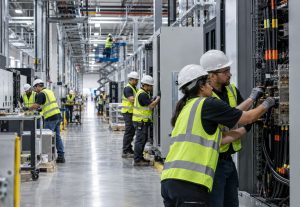
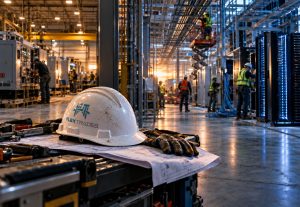
Our traveling skilled trades technicians help manufacturers bridge temporary workforce gaps with experienced professionals who are ready to contribute quickly.
That might mean supporting planned vacations across an entire department.
It could mean adding maintenance technicians during a scheduled outage.
It could mean supplementing your team during a seasonal production increase.
It could mean helping you complete a facility expansion, install new equipment, or execute a capital project without diverting your core workforce from day-to-day production.
Or it might simply mean giving your existing employees the breathing room they need without sacrificing production schedules.
Whatever the challenge, the objective remains the same:
Keep production moving. Protect your workforce. Deliver with certainty.
Workforce Flexibility Is a Competitive Advantage
Summer eventually comes to an end. The need for workforce flexibility doesn’t.
Throughout the year, manufacturers face unexpected resignations, demand fluctuations, customer deadlines, equipment installations, expansion projects, and production surges. The companies that consistently navigate those challenges aren’t necessarily the ones with the largest workforce.
They’re the ones with the most adaptable workforce strategy.
They understand that flexibility isn’t about replacing full-time employees. It’s about creating the capacity to respond when business conditions change.
Because certainty doesn’t come from hoping nothing changes. It comes from being prepared when it does.
Manufacturing Doesn’t Pause for Summer
Manufacturing has always required planning. Production planning. Material planning. Maintenance planning. Workforce planning deserves the same level of attention.
When your skilled workforce is supported by a flexible staffing strategy, summer stops being a season of uncertainty and becomes just another opportunity to execute with confidence.
At FlexTrades, that’s what we help manufacturers do every day.
Whether you’re covering planned vacations, responding to seasonal demand, supporting a critical maintenance shutdown, or ramping up for a short-term project, our goal is the same: to give you access to the skilled trades professionals you need to keep production moving without adding long-term workforce risk.
Because workforce flexibility isn’t just about filling open positions.
It’s about protecting schedules, supporting your people, and delivering with certainty.
Machines don’t take vacations. Neither do production schedules.
With the right workforce strategy, your productivity doesn’t have to either.
Schedule a call with FlexTrades to learn how our skilled trades workforce can help you cover summer workforce gaps, protect production schedules, and keep manufacturing moving.