
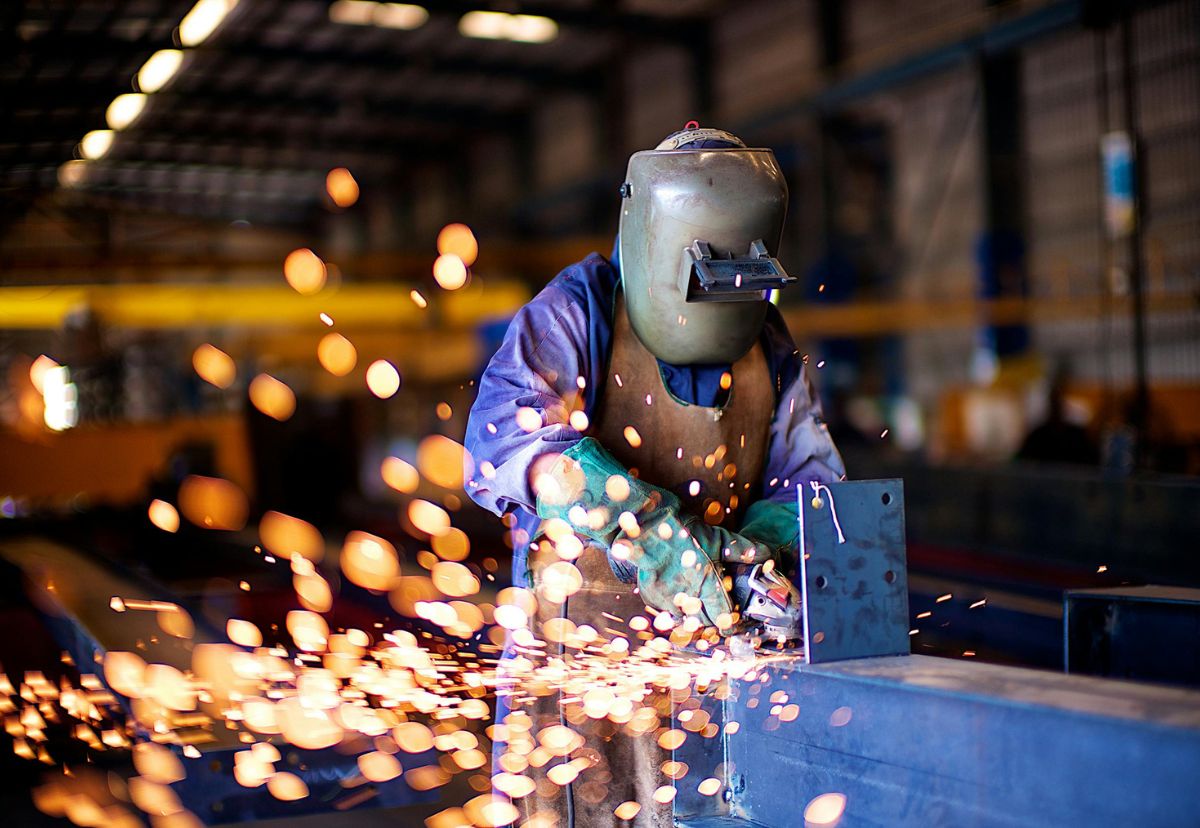

Technical skill matters. In manufacturing, it has to. You need people who know how to operate equipment, read prints, troubleshoot problems, perform maintenance, weld, machine, program, fabricate, or perform whatever specialized work the job requires.
But after decades of experience in the trades and in a variety of roles, I’ve learned something else, too. The most professional employee will almost always outperform the employee who is the most technically skilled.
That’s because technical ability is only part of what makes someone great at their job. The rest comes down to how you communicate, how you work with others, how you respond when something goes wrong, and how willing you are to learn and adapt.
These skills have traditionally been called “soft skills.” You may also hear them called human skills, interpersonal skills, social skills, transferable skills, or professional skills.
Whatever you call them, they’re not really “soft” at all. They’re the skills that determine how effectively you put your technical abilities to work.
Technical Skills Tell Us What. Professionals Understand Why and How.
A resume can tell you what someone has done.
“I’ve operated this machine.”
“I’ve worked with PLCs.”
“I’ve welded for 15 years.”
“I’ve performed preventive maintenance.”
Those things matter. They’re often the first indication that someone has the technical experience needed for a position. But the better question is, “How do you do those things, and why do you do them that way?”
That’s where you start seeing the difference between someone who has experience and someone who is truly a professional. A great technician doesn’t just know which button to push. They understand what the machine is doing, why it’s doing it, and what could happen if something isn’t right.
They don’t simply follow a process. They understand the purpose behind it. They don’t just fix a problem. They want to understand what caused it.
That deeper understanding is where technical skill and professional skill come together. And five “soft” skills consistently stand out.
1. Communication
Manufacturing is a team environment, even when you’re working independently.
You have to communicate with coworkers, supervisors, engineers, quality teams, maintenance personnel, customers, and sometimes people who don’t have the same technical background you do.
Good communication isn’t about being the most outgoing person in the room. It’s about making sure the right information gets to the right person at the right time.
That means listening. Asking questions when you don’t understand something. Explaining a problem clearly. Documenting what you’ve done. Speaking up when you see something that could affect safety, quality, or production.
A technically talented employee who can’t communicate effectively can create problems for everyone around them. A professional makes the people around them better informed and better equipped to do their jobs.
2. Teamwork
Manufacturing is a team effort every day.
Production doesn’t stop being a team effort because everyone has a different job title. The machinist, electrician, maintenance technician, welder, engineer, operator, supervisor, and quality professional all affect one another.
Great tradespeople understand that.
They’re willing to lend a hand when someone needs it. They share knowledge instead of hoarding it. They respect the experience of others. And they understand that sometimes the most valuable thing you can do is simply pitch in, pick up the broom, and help get the job done.
You don’t have to be everyone’s best friend. You do have to be someone people can count on.
3. Critical Thinking
Manufacturing rarely goes exactly according to plan.
A machine isn’t behaving the way it normally does. A measurement doesn’t make sense. A part isn’t coming out correctly. A process has changed. A new piece of equipment isn’t producing the expected results.
Technical knowledge gives you a foundation. Critical thinking helps you determine what to do with it.
The best technicians don’t immediately jump to the first explanation that comes to mind. They observe. They ask questions. They evaluate the information available to them and consider what might actually be happening.
That’s one of the biggest differences between simply having experience and knowing how to leverage that experience.
Experience isn’t just measured in years. It’s measured in exposure.
The more situations you’ve encountered, the more patterns you can recognize, and the better equipped you are to think through unfamiliar problems.
4. Problem Solving
Critical thinking helps you understand a problem. Problem solving helps you do something about it.
And problems are inevitable in manufacturing. The difference is how you respond to them.
Do you immediately look for someone else to fix it? Or do you stop, assess the situation, and start thinking about possible solutions?
Great technicians don’t necessarily have every answer, but they know how to find the answer.
They understand when to troubleshoot on their own, when to ask for help, and when to involve someone with different expertise. Most importantly, they don’t simply identify problems. They look for ways to prevent the same problem from happening again.
That solutions-oriented mindset can be incredibly valuable on a manufacturing floor.
5. Adaptability
Manufacturing changes constantly. New equipment. New processes. New technology. New products. New customers. New safety requirements. New expectations.
The technical skills that made someone successful five years ago may not be enough five years from now. That’s why adaptability matters.
Being adaptable doesn’t mean abandoning what you know. It means being willing to learn something new and apply what you already know in a different way.
The best technicians aren’t afraid of change. They’re curious about it.
They ask questions. They learn new processes. They stay open to different approaches. They understand that being an expert doesn’t mean you have nothing left to learn.
In fact, the opposite is often true.
These Skills Matter Before You Get the Job
These qualities aren’t just important once you’re on the manufacturing floor. They’re also visible during the hiring process.
A candidate who can clearly explain how they’ve approached a difficult problem tells you something.
A candidate who can describe how they’ve worked through a disagreement with a coworker tells you something.
A candidate who can explain why they chose a particular troubleshooting approach tells you something.
And a candidate who can admit, “I didn’t know, so I asked,” may tell you more than someone who tries to make themselves sound like they know everything.
For technicians entering the trades, these are skills worth developing alongside your technical education.
For experienced technicians, they’re skills worth continuing to sharpen.
And for manufacturers, they’re skills worth looking for when evaluating candidates.
The Person Behind the Resume
At FlexTrades, we see resumes every day that demonstrate impressive technical experience.
But a resume is only part of the story. The real differentiator is often what happens when you start talking to the person behind it.
How do they describe their work?
Do they talk about what they did, or can they explain why and how they did it?
Do they take ownership when something goes wrong?
Do they talk about the people they’ve worked with?
Are they curious?
Do they communicate clearly?
Are they willing to learn?
Those answers can tell you a lot about the kind of employee someone will be once they’re on the floor.
Technical skills may determine whether someone can do the job.
Professional skills often determine how well they do it and what kind of impact they have on everyone around them.
What Makes a Great Skilled Tradesperson?
The answer isn’t simply years of experience. It isn’t the number of machines someone has operated or the number of certifications listed on a resume.
It’s the combination of technical ability and everything that allows that ability to be put to work effectively.
Communicate. Collaborate. Think critically. Solve problems. Adapt. Keep learning.
Those aren’t secondary skills. They’re part of being a skilled trades professional.
Your technical abilities may be what get you through the door, but your professionalism is what makes people want to open that door for you again.