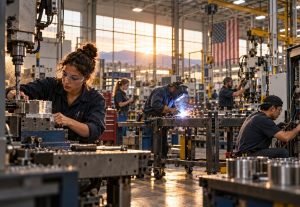

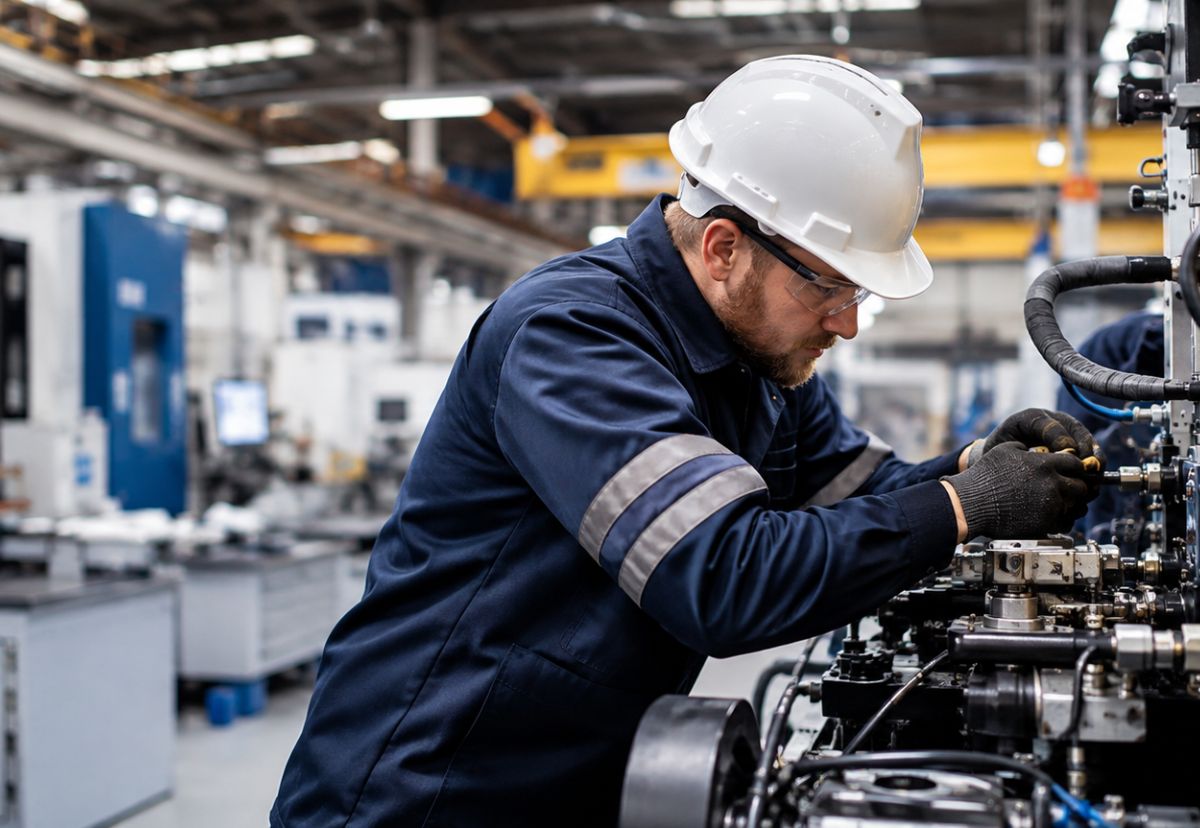

Peak season puts significant pressure on manufacturing operations. Production schedules tighten, delivery timelines shorten, and customer demand increases. That said, peak season also makes unexpected downtime downright detrimental. That’s why preventive and predictive maintenance is critical before entering peak season.
Servicing and repairing equipment before demand spikes helps reduce that downtime. It minimizes disruptions, protects productivity, and goes a long way toward keeping employees working safely and efficiently. And, if you’re like many other manufacturers, peak season often requires hiring a supplementary workforce. If equipment and tools are ready for use, it makes managing that supplementary workforce easier, too.
What Is Preventive & Predictive Maintenance?
Preventive maintenance follows a fixed timeline, either days, months, or run times, at which specific services are required on machinery. Predictive maintenance is based on real-time data and analytics of actual equipment performance or sensor alerts.
In both preventive and predictive maintenance, the goal is simple: address small issues before they become costly problems.
Why Peak Season Changes the Equation
During normal operations, an equipment failure is inconvenient. During peak season, the same failure can have a much larger impact.
A single failure in one area of a manufacturing process can create a bottleneck that affects other production areas and operations. It’s a domino effect.
And the consequences can extend beyond lost production. Unexpected downtime can contribute to:
- Missed production targets
- Delayed customer orders
- Overtime expenses
- Increased pressure on employees
- Disruptions to shipping and receiving
- Unplanned repair costs
- Difficulty maintaining staffing levels and schedules
Predictive/Preventive Maintenance and Workforce Planning Go Hand in Hand
Thinking about the equipment and machinery before peak season is only one part of the preparation that needs to occur. The people operating, maintaining, moving, and supporting that equipment are just as important.
When machinery is running reliably, employees can spend their time performing the work they were scheduled to do instead of dealing with preventable disruptions. Reliable equipment also helps supervisors create more predictable schedules and maintain a consistent workflow.
For industrial employers, peak-season preparation often involves two parallel priorities: making sure the equipment is ready and making sure the workforce is ready and available. The latter often involves bringing on additional production workers and talent before demand reaches its highest point. Partnering with FlexTrades is one of the easiest ways to supplement your workforce before and during peak season.
Working with an industrial staffing partner can help employers build that workforce proactively rather than waiting until staffing shortages begin affecting operations. Contact FlexTrades if you need support on your maintenance team to accomplish your preventive and predictive maintenance tasks or if you need any other skilled technicians to meet your peak season demands.
One of our recent customers found out the benefits of working with FlexTrades quickly. They had a machine that was critical to their operations, and when it went down, they thought it was a goner. They were already spending time considering outsourcing options and/or new equipment purchases. Not only were they spending time considering these options, but they were also close to spending a lot of money to do so. Our highly skilled maintenance technician, with a wealth of knowledge and experience, was able to assess the machine and get it back up and running, which saved time, money, and our customer’s delivery timelines.
And those aren’t the only costs either. There is a cost to waiting, so preparing before the rush is your best bet.
Start Preparing Before the Rush
A strong preparation strategy can include:
- Review equipment maintenance records. Identify recurring issues and equipment that may require additional attention.
- Prioritize critical equipment. Determine which machines or systems would create the greatest operational impact if they failed.
- Schedule preventive service early. Complete inspections, repairs, and replacements before peak season hits.
- Review staffing requirements to estimate how many additional employees will be needed to meet projected demand.
- Plan for training and onboarding to make sure new and existing employees understand equipment, processes, and workplace safety expectations.
- Build flexibility into the workforce and consider how staffing needs may change as demand fluctuates throughout the season.
- Monitor equipment and staffing performance.
- Use lessons from previous peak seasons to improve future planning.
A Stronger Peak Season Starts With Preparation
All in all, stronger production during peak season starts with preparation. Peak season will always bring challenges, but many of those challenges can be anticipated. Preventive and predictive maintenance helps industrial operations identify equipment problems before they become production emergencies. Proactive workforce planning helps ensure there are enough people available to keep operations moving. Together, these strategies can give employers greater control over one of the busiest periods of the year.