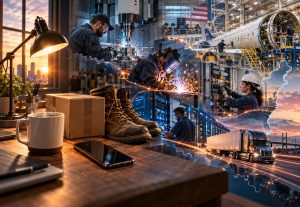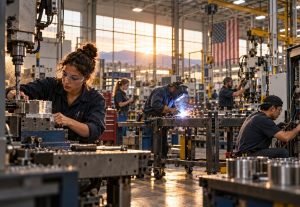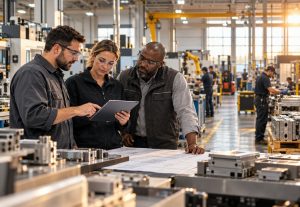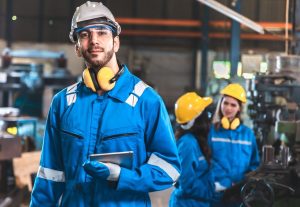

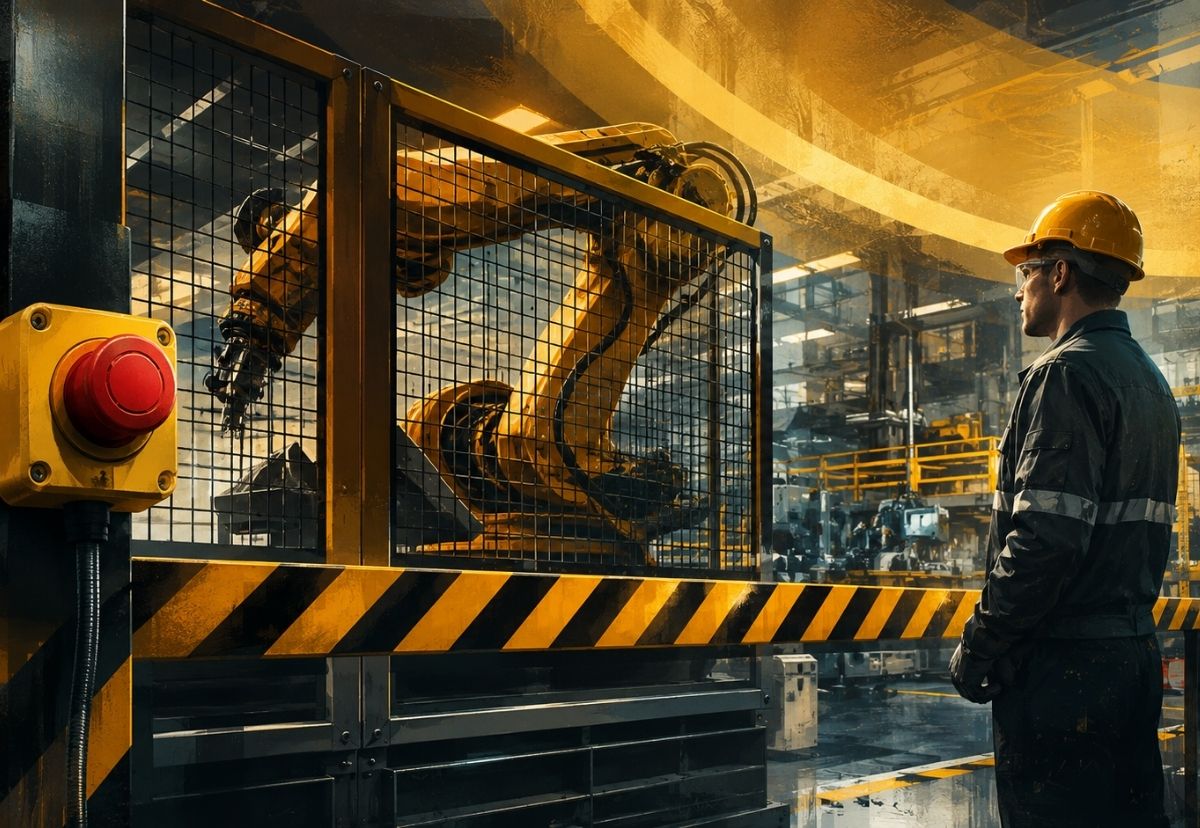

Manufacturing environments rely on powerful machinery to keep production moving efficiently. While these machines are essential to operations, they also present significant hazards when proper safeguards and procedures are not followed. Machine safety is more than a compliance requirement. It is a critical component of protecting employees, reducing downtime, and maintaining operational excellence.
Common Machine Hazards
Manufacturing equipment can expose workers to a variety of hazards, including:
- Rotating parts and moving components
- Pinch points and crush zones
- Flying debris and material ejection
- Unexpected machine startup
- Sharp edges and cutting surfaces
- Electrical hazards
Even experienced employees can be injured when safeguards are removed, procedures are bypassed, or distractions occur during operation.
The Importance of Machine Guarding
The NIOSH Hierarchy of Controls shows that dangerous equipment can be engineered to isolate operators from the hazard. Machine guards are designed to prevent workers from coming into contact with hazardous moving parts. Guards should never be removed or modified unless equipment has been properly locked out and maintenance activities are being performed.
Effective machine guards should:
- Prevent access to danger zones
- Remain securely in place during operation
- Not create additional hazards
- Allow employees to perform their work safely and efficiently
Routine inspections should be conducted to verify guards remain intact and functional.
Lockout/Tagout Saves Lives
One of the most critical machine safety practices is Lockout/Tagout (LOTO). Servicing or maintaining machinery without controlling hazardous energy can lead to severe injuries or fatalities.
Before servicing equipment:
- Shut down the machine properly.
- Isolate all energy sources.
- Apply lockout and tagout devices.
- Verify zero energy before beginning work.
Employees should never rely solely on emergency stop buttons or control switches to protect them during maintenance activities.
Training and Awareness Matter
Machine safety programs are only effective when employees understand the hazards associated with their equipment. Regular training should include:
- Safe operating procedures
- Hazard recognition
- Emergency response actions
- Proper use of machine guards
- Lockout/Tagout requirements
- Reporting damaged or missing safeguards
Creating a culture where employees feel comfortable reporting concerns can prevent incidents before they occur.
Benefits of a Strong Machine Safety Program
Organizations that prioritize machine safety often experience:
- Fewer workplace injuries
- Reduced workers’ compensation costs
- Less equipment downtime
- Improved employee morale
- Increased productivity
- Better overall operational performance
When employees know they are working in a safe environment, they can focus on producing quality work rather than worrying about potential hazards.
Final Thoughts
Machine safety is a shared responsibility that requires commitment from both management and employees. By maintaining effective safeguards, following Lockout/Tagout procedures, conducting regular training, and encouraging proactive hazard reporting, manufacturers can significantly reduce risk and create a safer workplace for everyone.
A safe machine is a productive machine, and a protected workforce is the foundation of every successful manufacturing operation.