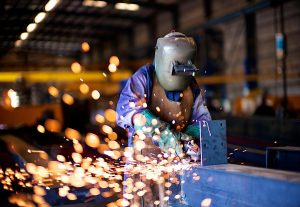

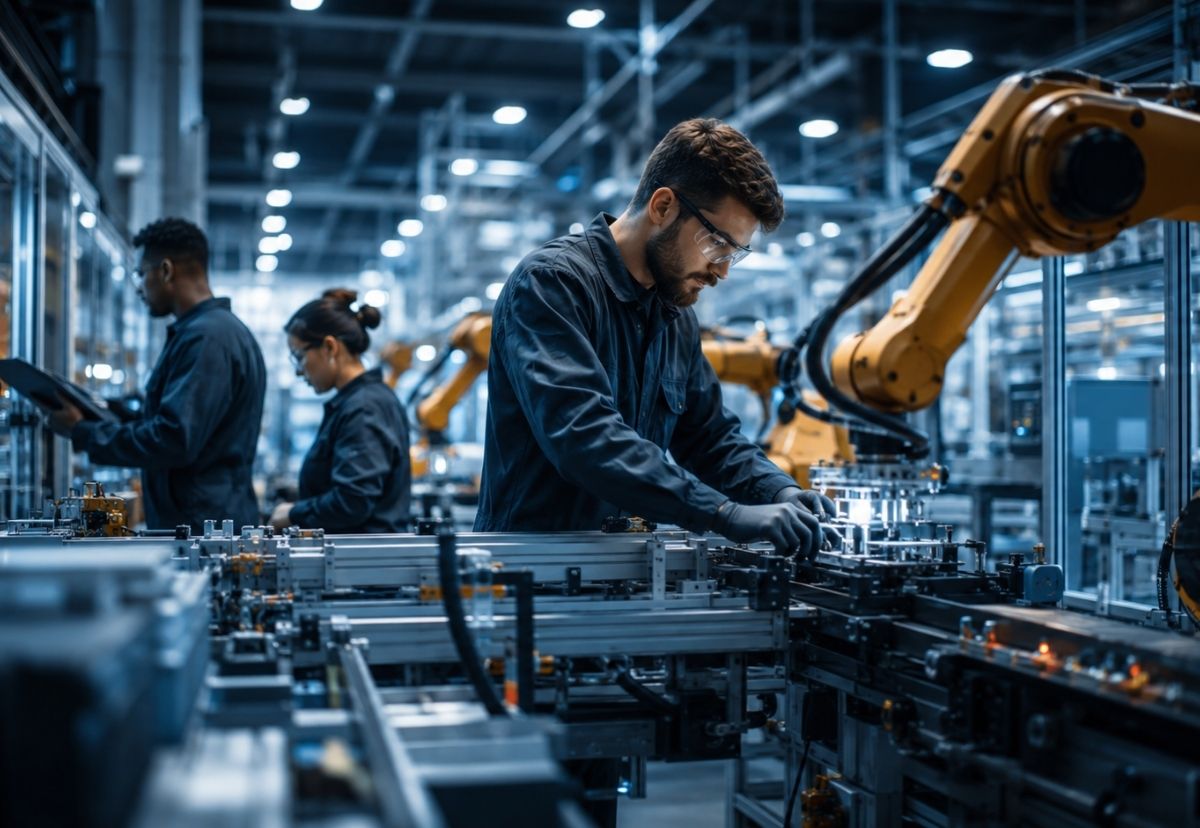

Walk through a modern manufacturing facility and you’ll see robotic weld cells, automated packaging lines, vision inspection systems, conveyors, sensors, and sophisticated control systems working together to produce products with incredible speed and consistency.
From the outside, it might seem like the machines are doing all the work.
But every manufacturer knows the truth. When automation stops, production stops.
And the people responsible for keeping those systems running are automation technicians.
These skilled professionals have become some of the most valuable people on the plant floor as manufacturing becomes more connected, automated, and technology-driven. They’re the troubleshooters, problem-solvers, and technical experts who ensure manufacturers get the return on investment they expect from increasingly sophisticated equipment.
In many ways, they’re also the bridge between manufacturing’s past and future.
The Human Side of Automation
One of the most common misconceptions about automation is that it reduces the need for skilled workers.
In reality, automation changes the kind of skilled workers manufacturers need.
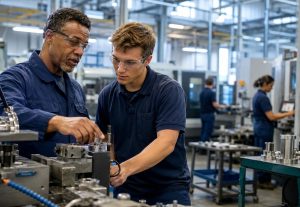
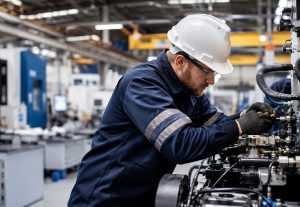
Today’s automated facilities still rely on people who can install, maintain, troubleshoot, repair, and optimize the systems that drive production. Industrial automation technicians combine mechanical aptitude, electrical knowledge, controls expertise, and software skills to keep these systems operating at peak performance.
At FlexTrades, we see this demand every day. While Automation Technician and Controls Technician are common job titles, manufacturers are also searching for PLC Programmers, Industrial Maintenance Technicians, Robotics Technicians, and other skilled professionals who can confidently work with increasingly automated equipment.
The technology may be evolving, but the need for skilled people has never gone away.
Automation Doesn’t Replace Skilled Trades. It Changes Them.
For decades, people have predicted that automation would eliminate manufacturing jobs.
What we’re actually seeing is something different.
As manufacturing technology becomes more advanced, the need for highly skilled people becomes even more important.
Robots still need to be programmed. Sensors still need to be calibrated. PLCs still need to be diagnosed. Automated systems still need to be maintained, repaired, and optimized.
In many cases, today’s manufacturing facilities require a higher level of technical expertise than ever before.
Modern manufacturing doesn’t need fewer skilled tradespeople. It needs tradespeople with different skills.
Automation technicians are among the clearest examples of how the skilled trades continue to evolve alongside technology rather than being replaced by it.
Why Demand Continues to Grow
Manufacturers across nearly every sector are investing heavily in automation.
Food and beverage producers rely on automated processing and packaging equipment to maintain throughput. Pharmaceutical manufacturers use sophisticated automated systems to ensure consistency and compliance. Automotive, agricultural equipment, and aviation manufacturers depend on robotics, controls systems, and advanced production technology to meet quality and production goals.
The common denominator is simple: automation only creates value when it’s operating reliably.
A robotic cell that isn’t producing parts, a PLC issue that shuts down a line, or a sensor failure that interrupts production can quickly become a costly problem. As equipment becomes more capable, it also becomes more complex.
That’s where automation technicians create tremendous value.
They help manufacturers maximize uptime by:
- Troubleshooting equipment failures
- Diagnosing electrical and controls issues
- Supporting equipment installations and startups
- Performing preventive maintenance
- Optimizing automated systems
- Improving equipment reliability and efficiency
Their work often happens behind the scenes, but its impact is felt throughout the entire operation.
More Than Maintenance
Many people assume automation technicians only get involved when something breaks. The reality is much different.
The best technicians spend significant time preventing failures before they occur. They monitor system performance, identify potential issues, update software, calibrate equipment, and make adjustments that improve reliability.
Their goal isn’t simply fixing equipment. It’s helping manufacturers avoid downtime altogether.
As production systems become increasingly interconnected, that proactive mindset becomes even more valuable. A single issue can affect an entire automated process. Skilled automation professionals understand how those systems interact and can identify root causes quickly, minimizing disruption and keeping production moving.
A Career Built for Problem Solvers
For skilled trades professionals, industrial automation also offers something many careers can’t: continuous growth. No two days ever look exactly the same.
One day may involve troubleshooting a PLC communication issue. The next may involve supporting a robotic system startup, diagnosing a controls problem, or helping optimize production performance.
The technicians who thrive in these roles are often lifelong learners who enjoy solving complex problems and understanding how systems work.
Success typically requires a blend of:
- Mechanical troubleshooting
- Electrical knowledge
- PLC and controls experience
- Robotics familiarity
- Critical thinking
- Adaptability
- Continuous learning
For tradespeople who enjoy challenges and want to work at the intersection of technology and manufacturing, industrial automation offers a rewarding and increasingly valuable career path.
The Growing Talent Challenge for Manufacturers
Unfortunately, demand for automation expertise is growing faster than the available talent pool. This is one of the most common challenges we hear from manufacturers across the country.
Many companies aren’t struggling because they don’t recognize the importance of automation talent. They’re struggling because that talent can be difficult to find.
In many markets, employers are competing for the same limited group of experienced technicians. Some manufacturers are located in regions where automation expertise simply isn’t available in sufficient numbers. Others are investing heavily in training and upskilling existing maintenance teams but need support while those efforts develop.
The challenge becomes even greater when production schedules, facility expansions, equipment installations, or critical projects can’t wait for a lengthy hiring process.
That’s why manufacturers increasingly look beyond their local labor market to find the skills they need.
The Future of Manufacturing Still Needs Skilled People
Manufacturing technology will continue advancing. Robots will become smarter. Production systems will become more connected. Artificial intelligence will play a larger role in manufacturing operations.
But none of those innovations eliminate the need for skilled tradespeople. In fact, they increase it.
Manufacturers don’t just need people. They need proven skilled tradespeople who can create certainty in increasingly complex production environments.
Industrial automation technicians, robotics technicians, PLC programmers, and other automation-focused professionals play a critical role in making that happen.
For manufacturers, they’re essential to productivity, uptime, and operational success.
For skilled trades professionals, they represent one of the most exciting and future-focused career paths in modern manufacturing.
And for both, they’re a reminder that the future of manufacturing isn’t less human than before. It’s more dependent than ever on the right people with the right skills.