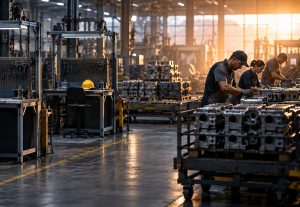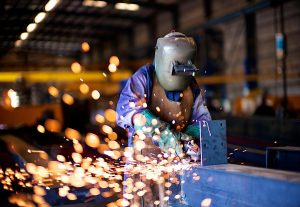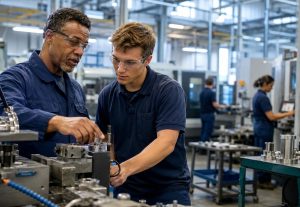



In manufacturing, productivity matters. Quality matters. Deadlines matter. But none of those priorities should ever come at the expense of worker safety.
For manufacturers relying on flexible labor strategies, safety training is one of the most important factors in building a productive and dependable workforce. Whether workers are supporting a shutdown, filling a skilled labor gap, or helping scale production, every technician who enters your facility should be equipped to perform safely from day one.
That is why safety training is not simply a compliance checkbox for workforce solutions providers. It is a critical business function that protects people, supports operational continuity, and strengthens partnerships across the manufacturing industry.
Safety Is a Shared Responsibility
When manufacturers partner with workforce solutions companies, safety ownership should never be unclear.
The host employer understands the facility, equipment, processes, and site-specific risks. The workforce partner is responsible for preparing technicians, reinforcing safe behaviors, and ensuring workers understand expectations before stepping onto the floor.
The strongest outcomes happen when both sides treat safety as a shared responsibility.
When that collaboration exists, manufacturers gain workers who are better prepared, technicians gain confidence in their environment, and everyone benefits from a stronger safety culture.
Why Manufacturing Environments Require More Than Basic Orientation
Manufacturing settings are dynamic. Even highly skilled trades professionals may be entering a new plant layout, operating around unfamiliar machinery, or adapting to different lockout and tagout procedures, PPE requirements, traffic flow, or reporting structures.
Without clear training and communication, avoidable risks increase.
That is especially true in industries where downtime is costly and production schedules move quickly. Rushing workers into a facility without proper preparation can create setbacks that far outweigh the time saved.
Effective safety training helps close that gap by ensuring technicians understand not only how to perform the work, but how to perform it safely within that specific environment.
What Manufacturers Should Expect from a Workforce Partner
Not all staffing companies and workforce solutions providers approach safety the same way. Manufacturers should expect more than candidate placement alone.
A strong partner should bring a proactive safety mindset that includes:
- Pre-assignment training on common workplace hazards
- PPE expectations and safe work practices
- Clear injury and incident reporting procedures
- Ongoing communication with placed technicians
- Documentation of training completion
- Collaboration on site-specific orientation needs
- Follow-up support throughout the assignment
When these systems are in place, manufacturers reduce onboarding friction while improving readiness and accountability.
Why Safety Training Matters to Skilled Trades Technicians
Top tradespeople want to work where safety is taken seriously.
Electricians, welders, machinists, programmers, maintenance technicians, pipefitters, engineers, and other skilled professionals know that safety standards often reflect broader operational standards. Clean processes, clear expectations, organized leadership, and strong communication usually accompany safer worksites.
That means a company’s commitment to safety can directly impact its ability to attract and retain quality talent.
Technicians are more likely to return to assignments where they feel respected, protected, and properly prepared.
The Business Impact of Strong Safety Programs
Safety training is often discussed through the lens of compliance, but its business value reaches much further.
Strong safety programs can help manufacturers and workforce partners improve:
- Productivity through fewer disruptions
- Attendance and reliability
- Worker confidence and morale
- Client vendor trust
- Reduced injury-related costs
- Reputation in a competitive labor market
In short, safer environments often become stronger-performing environments.
Building a Better Workforce Partnership
Manufacturing leaders should view safety conversations as an essential part of selecting any workforce solutions provider.
Ask questions such as:
- How are workers trained before arriving onsite?
- How do you communicate safety expectations?
- What is your incident response process?
- How do you partner with clients on site-specific risks?
- How do you reinforce safety during assignments?
The answers can reveal whether a provider is simply filling openings or actively helping protect your operation.
Every Worker Home Safe
At FlexTrades, we believe workforce solutions should create confidence, not added risk. That starts with placing skilled tradespeople who are prepared to contribute safely, professionally, and productively.
Because no production goal, project milestone, or staffing shortage is more important than the people doing the work.
Every worker should go home safe. Every single day.